
Understanding Modern Trade: The Future of Retail Dynamics
What is Modern Trade?
Defining Modern Trade
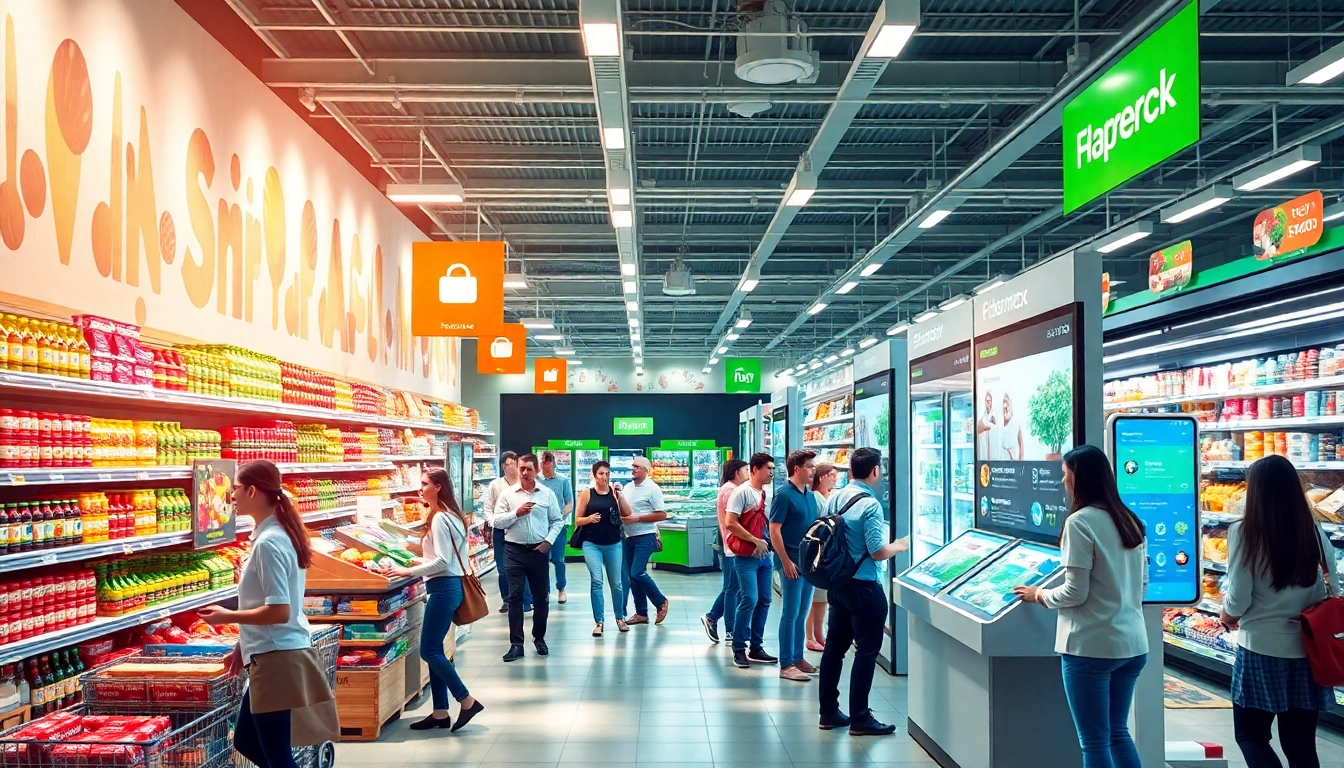
Modern trade refers to a structured and organized retail framework that emphasizes large-scale operations. Unlike traditional trade, which often consists of smaller, independent shops, modern trade operates through outlets like supermarkets, hypermarkets, and convenience stores. This approach incorporates technology, strategic marketing, and data-driven decisions to enhance efficiency and customer engagement. By utilizing systems and processes designed for scalability, modern trade fosters a more controlled shopping experience for consumers.
Characteristics of Modern Trade
- Organized Structure: Modern trade involves a cohesive structure that includes various formats like chain stores and e-commerce platforms, operating under one coherent strategy.
- Technology Driven: Utilization of technology in operations, inventory management, and customer engagement is a hallmark of modern trade.
- Bulk Purchasing: Retailers in this category often buy in larger quantities, allowing for economies of scale and lower unit costs.
- Brand Visibility: Modern trade provides significant shelf space and promotional opportunities for brands to maximize visibility among consumers.
- Streamlined Supply Chain: The integration of logistics and supply chain management enhances efficiency in inventory management and product distribution.
How Modern Trade Differs from Traditional Trade
The main distinction between modern trade and traditional trade lies in organization and scale. Traditional trade encompasses small, independent shops that often rely on personal relationships and localized customer bases. In contrast, modern trade utilizes data analytics, centralized purchasing, and structured marketing practices to facilitate large-scale operations. This includes better inventory tracking, pricing strategies, and customer engagement methods that adapt to market trends.
The Growth of Modern Trade
Market Trends Impacting Modern Trade
Modern trade has witnessed robust growth influenced by various market trends such as urbanization, increased disposable income, and changing consumer behaviors. The rise of e-commerce, particularly during the pandemic, has accelerated the transition toward modern retail formats. Consumers are now more inclined to shop at organized retail spaces, drawn by convenience, product assortment, and enhanced customer experiences.
Drivers of Growth in Modern Trade
Several factors are contributing to the growth of modern trade, including:
- Technology Adoption: The integration of technology is transforming the retail landscape, making it easier for businesses to manage operations efficiently.
- Consumer Preference: There is a substantial shift towards convenience shopping, with consumers preferring modern retail outlets for their wide product range and quality.
- Globalization: International brands entering local markets contribute to the competitiveness and development of modern trade frameworks.
- Sustainability Movements: Brands that adopt sustainable practices are more likely to thrive in modern trade environments, appealing to conscious consumers.
International Comparisons in Modern Trade
The growth of modern trade varies across regions. For instance, markets in developed countries tend to have a higher concentration of organized retail formats compared to developing nations, where traditional trade still prevails. However, countries like India and Brazil are experiencing rapid growth in modern trade, driven by urbanization and a burgeoning middle class. Examining international case studies offers insights into effective strategies for fostering modern trade growth globally.
Benefits of Adopting Modern Trade
Operational Efficiency in Modern Trade
Modern trade streamlines operations through sophisticated logistics and supply chain management. Retailers benefit from centralized purchasing, leading to reduced operational costs and enhanced coordination with suppliers. This efficiency ensures that inventory levels are optimized, reducing waste and improving profit margins.
Consumer Experience and Satisfaction
A structured modern trade environment focuses on delivering a better shopping experience. Customers enjoy a more appealing store layout, organized product displays, and a wider selection of goods. Enhanced customer service, loyalty programs, and digital offerings contribute to improved shopping satisfaction, encouraging repeat business.
Technological Advancements in Modern Trade
Technology plays a crucial role in modern trade, facilitating everything from inventory management to customer analytics. Retailers leverage data analytics to understand consumer behavior, allowing for personalized marketing strategies. Mobile shopping apps, self-checkout systems, and AI-based customer service solutions further enhance the shopping experience.
Challenges Facing Modern Trade
Competition with General Trade
Despite its growth, modern trade faces significant challenges from general trade. Traditional markets offer personal relationships and localized services that modern trade often cannot replicate. To remain competitive, retailers need to focus on innovative solutions and personalized experiences to attract and retain customers.
Supply Chain Issues in Modern Trade
Managing a complex supply chain can present challenges, particularly when it comes to responsiveness and flexibility. Global disruptions can lead to inventory shortages or logistics delays, affecting retailers’ ability to meet customer demand. Developing robust supply chain strategies and diversifying suppliers can mitigate these risks.
Adaptation to Changing Consumer Preferences
The rapid changes in consumer preferences necessitate adaptability in modern trade strategies. Retailers must stay ahead of trends and consumer expectations, including sustainability and ethical sourcing. Conducting regular market research can help businesses pivot effectively in response to these changing dynamics.
Strategies for Success in Modern Trade
Effective Marketing Strategies in Modern Trade
Marketing in modern trade requires a multifaceted approach that integrates digital media, in-store promotions, and data-driven campaigns. Effective branding, promotional events, and loyalty programs help build strong customer relationships and create a reliable customer base.
Leveraging Technology for Modern Trade
Implementing advanced technologies such as mobile applications, virtual reality shopping, and data analytics platforms is essential for modern trade success. These technologies help streamline processes, enhance customer engagement, and provide insights into consumer preferences.
Measuring Success in Modern Trade
Key performance indicators (KPIs) such as sales growth, customer retention rates, and inventory turnover are critical for measuring success in modern trade. Retailers should establish metrics aligned with their strategic goals and continuously assess their performance against these indicators.
FAQs about Modern Trade
What does modern trade mean?
Modern trade refers to large-scale retail formats such as supermarkets and e-commerce, emphasizing organized, structured approaches for efficient retailing.
How does modern trade differ from traditional trade?
Modern trade is characterized by organized retailing with a technology-driven approach, while traditional trade consists of small, independent shops focused on localized sales.
What are the benefits of modern trade?
Modern trade offers operational efficiency, improved consumer experiences, and enhanced marketing capabilities through the use of technology and organized structures.
What challenges does modern trade face?
Challenges include competition from general trade, supply chain complexities, and the need for adaptability to quickly changing consumer preferences.
How can retailers succeed in modern trade?
Successful retailers leverage effective marketing strategies, adopt innovative technologies, and constantly measure and adapt their performance to meet consumer needs.