
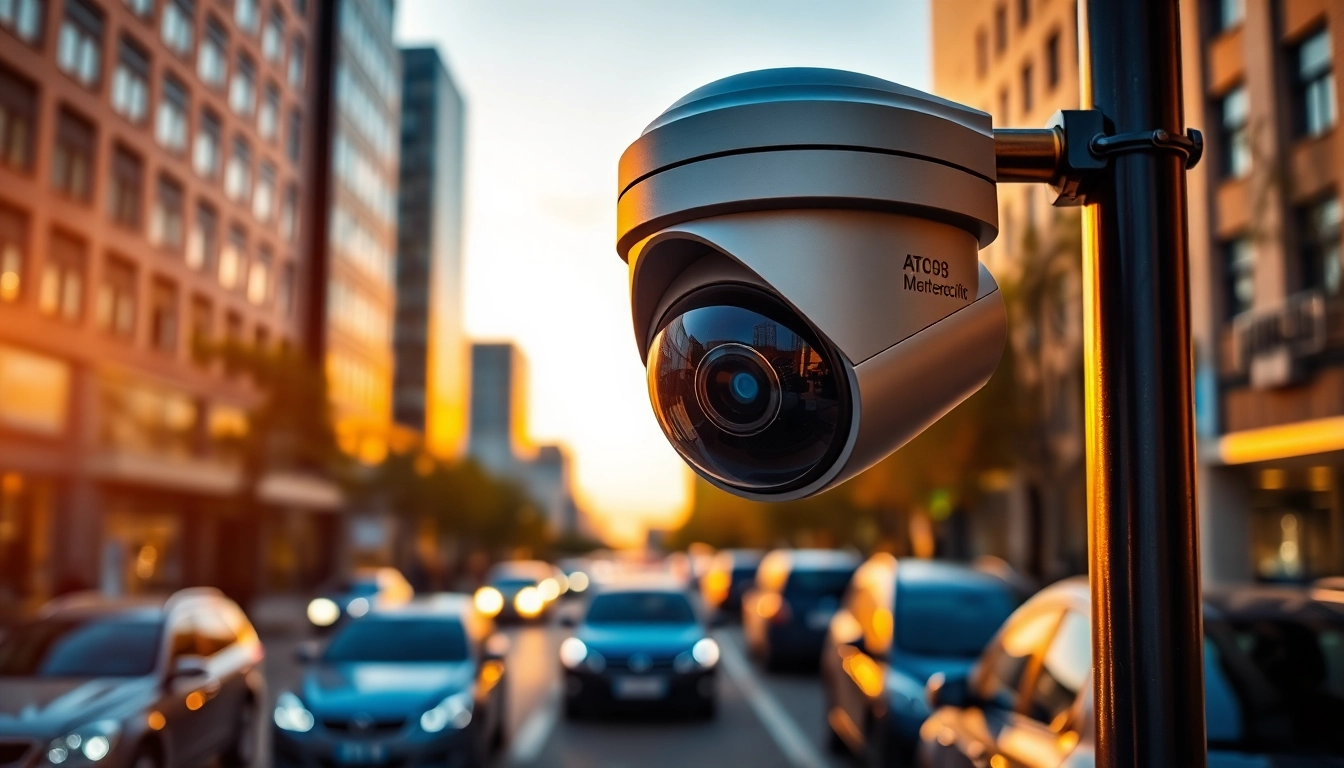
Revolutionizing Security with Automatic License Plate Recognition Technologies
- Understanding Automatic License Plate Recognition
- The Technology Behind Automatic License Plate Recognition
- Implementing Automatic License Plate Recognition Solutions
- Evaluating Automatic License Plate Recognition Performance
- Future of Automatic License Plate Recognition
- Frequently Asked Questions about Automatic License Plate Recognition
Understanding Automatic License Plate Recognition
What Is Automatic License Plate Recognition?
Automatic License Plate Recognition (ALPR) is an advanced technology that employs optical character recognition (OCR) to read vehicle registration plates. By capturing images of license plates and converting them into alphanumeric characters, ALPR provides an efficient means of tracking vehicle movements and identifying vehicles associated with specific databases, such as law enforcement hotlists.
This pioneering technology has been adopted across various sectors, making it possible for traffic monitoring, automated toll collection, and law enforcement agencies to enhance security measures and improve operational efficiency. The introduction of automatic license plate recognition marks a significant advancement in real-time data collection and analysis.
How Do Automatic License Plate Recognition Systems Work?
ALPR systems are composed of several integral components that work together seamlessly. When a vehicle passes an ALPR camera, the following processes occur:
- Image Capture: The cameras capture high-resolution images of vehicles and their license plates, even in challenging conditions such as low light or adverse weather.
- Image Processing: Advanced image processing algorithms analyze the captured images, enhancing the visibility of the license plate.
- Optical Character Recognition: The OCR technology interprets the characters on the license plate and translates them into digital text.
- Database Comparison: The recognized license plate data is then cross-referenced against various databases to identify vehicles, check for stolen vehicles, or verify parking permits.
This process typically takes place within milliseconds, allowing for near-instantaneous processing of information crucial for traffic management and law enforcement.
Applications of Automatic License Plate Recognition
Automatic License Plate Recognition technology has a multitude of applications across different domains. Here are some notable uses:
- Law Enforcement: Police use ALPR to scan and monitor vehicles in real-time, helping in tracing stolen cars and locating individuals with outstanding warrants.
- Toll Collection: Many toll booths have integrated ALPR systems, enabling automatic billing for vehicles as they pass through without requiring any action from the driver.
- Parking Enforcement: ALPR systems assist parking enforcement officers in identifying vehicles with expired permits or parking violations.
- Traffic Management: Cities employ ALPR for traffic monitoring, analyzing traffic flows, and enhancing vehicular safety measures.
- Access Control: Businesses and residential communities use ALPR to enhance security by tracking who enters and exits premises.
The Technology Behind Automatic License Plate Recognition
Components of Automatic License Plate Recognition Systems
Understanding the components that comprise an ALPR system provides insight into its functionality and effectiveness:
- Cameras: Specialized cameras designed for various lighting conditions capture images of vehicles.
- Lighting System: Infrared and white light illuminates license plates to enhance image clarity, especially at night.
- Processing Unit: Powerful processors perform the image processing and data analysis tasks required for efficient operation.
- Database: Databases store license plate information, including databases for banked data or law enforcement databases.
- Networking Gear: This comprises the equipment necessary for transmitting data from the cameras to the processing units or cloud servers.
Technology Advances in Automatic License Plate Recognition
With continuous advancements in technology, ALPR systems are constantly evolving. Key trends include:
- Deep Learning: Implementation of AI and deep learning enhances the accuracy and efficiency of license plate recognition, allowing systems to learn and adapt to new patterns and obstacles.
- Cloud Computing: Cloud-based solutions enable real-time data storage and access, decreasing the need for extensive on-site hardware.
- Integration with IoT: Smart city initiatives have integrated ALPR technology with other IoT devices, improving overall traffic management and law enforcement responses.
- Enhanced Privacy Features: Development of privacy-preserving technologies to ensure that personal data captured remains secure and compliant with regulations.
Improving Accuracy in Automatic License Plate Recognition
Achieving high accuracy rates in ALPR systems is critical for their operational effectiveness. Here are strategies to enhance recognition fidelity:
- High-Resolution Cameras: Employing higher resolution cameras improves the clarity of images, enabling more precise OCR.
- Optimal Placement: Positioning cameras at strategic angles and heights maximizes the field of view and reduces obstructions.
- Regular Updates: Keeping software and databases updated ensures the system can recognize new license plate designs and formats.
- Environmental Adjustments: Utilizing intelligent lighting systems that adjust based on environmental conditions to enhance image quality.
Implementing Automatic License Plate Recognition Solutions
Selecting the Right Automatic License Plate Recognition Development
Choosing the appropriate ALPR solution is vital for successful implementation. Considerations include:
- Purpose: Clearly define what you need the ALPR system for, whether it’s for law enforcement, toll collection, or parking management.
- Scalability: Ensure that the solution can be scaled up as your needs expand in the future.
- Integration: Opt for systems that can effectively integrate with existing infrastructure and software systems.
- Vendor Reputation: Consider vendors with proven experience and reliability in providing ALPR solutions.
Installation and Maintenance of Automatic License Plate Recognition Systems
Proper installation and maintenance of ALPR systems ensure optimal performance. Steps for effective deployment include:
- Conduct a site survey to determine the best locations and angles for camera placement.
- Install the necessary hardware, including cameras, processors, and networking gear, by professionals.
- Integrate the ALPR system with existing databases and software systems for seamless data flow.
- Establish a regular maintenance schedule to keep hardware clean and software updated.
Challenges in Automatic License Plate Recognition Implementation
While ALPR technology offers numerous benefits, several challenges may arise during implementation:
- Environmental Factors: Weather conditions, poor lighting, and obstructions can affect image quality. Employing adaptive lighting solutions and optimizing camera angles can mitigate these issues.
- Data Privacy Concerns: Ensuring compliance with data protection regulations requires robust data security measures and transparent policies.
- Integration Issues: Systems may face compatibility issues with existing technologies. Conducting thorough compatibility checks before installation can alleviate these challenges.
Evaluating Automatic License Plate Recognition Performance
Metrics for Successful Automatic License Plate Recognition
To assess the effectiveness of an ALPR system, organizations should utilize various performance metrics:
- Recognition Accuracy: The percentage of correctly recognized license plates versus the total number captured.
- Processing Speed: The time taken from image capture to data output should ideally be less than a second.
- System Uptime: Ensure that the ALPR system operates continuously with minimum interruptions.
- Data Security: Assess the effectiveness of data protection strategies in keeping sensitive information secure.
Case Studies on Automatic License Plate Recognition Efficiency
Examining real-world applications helps showcase the effectiveness of ALPR systems. For instance:
- City Traffic Management: A metropolitan area implemented ALPR to monitor traffic patterns, resulting in a notable reduction in congestion and an improvement in response times for emergency vehicles.
- Airport Security: A major airport integrated ALPR technology to enhance security at entry points, leading to a significant increase in the detection of unauthorized vehicles.
Continuous Improvement in Automatic License Plate Recognition
To maintain relevance and effectiveness, organizations must commit to continuous improvement initiatives for ALPR systems. This includes:
- Feedback Loops: Collecting data and feedback from users to identify areas for improvement.
- Technology Upgrades: Regularly incorporating the latest technology advancements to improve performance.
- Training Sessions: Ensuring personnel are well-trained on the updated systems and aware of best practices in data handling.
Future of Automatic License Plate Recognition
Emerging Trends in Automatic License Plate Recognition
The future of ALPR technology is bright, characterized by several emerging trends:
- Integration with AI: AI will play a pivotal role in improving the accuracy and efficiency of license plate recognition through better data analysis and predictive modeling.
- Mobile Solutions: With the advancement of mobile technology, there’s a growing trend towards mobile ALPR solutions for law enforcement and transportation agencies.
- Increased Adoption in Private Sector: Businesses are increasingly utilizing ALPR technology for security and operational efficiency, leading to broader market growth.
Impact of Legislation on Automatic License Plate Recognition
Legislation plays a critical role in shaping the application and development of ALPR technology. Legislative measures concerning privacy and data usage can impact deployment strategies, necessitating organizations to remain informed and compliant with relevant laws. Responsible data management practices will be essential to fostering public trust and acceptance of ALPR systems.
Potential Innovations in Automatic License Plate Recognition Systems
As technology continues to evolve, several innovations may transform how ALPR systems function:
- Enhanced Data Analytics: Utilizing machine learning to analyze traffic patterns and predict future trends will enhance decision-making capabilities.
- Real-time Communication: Future systems may include real-time communication with other road and vehicle monitoring technologies for a more integrated traffic management approach.
- Blockchain for Security: Implementing blockchain technology could provide enhanced data security and integrity for license plate data transactions.
Frequently Asked Questions about Automatic License Plate Recognition
What do automatic license plate readers do?
Automatic License Plate Recognition systems capture images of license plates and convert them into text, helping track and identify vehicles in real time.
Can automatic license plate recognition work in low light?
Yes, many ALPR systems are equipped with infrared cameras and advanced lighting to capture clear images in low-light conditions.
Is my data safe when using ALPR systems?
Data security in ALPR systems is vital. Robust security protocols and data protection measures should be in place to ensure privacy compliance.
How accurate are automatic license plate recognition systems?
ALPR systems can achieve recognition accuracies above 95% under optimal conditions, with various factors affecting performance.
What are the key challenges for adopting ALPR technology?
Challenges include environmental factors affecting image quality, privacy concerns, integration issues, and the need for continuous maintenance and updates.