
Quality and Reliability of Used Engines: What You Need to Know
Understanding Used Engines
What are Used Engines?
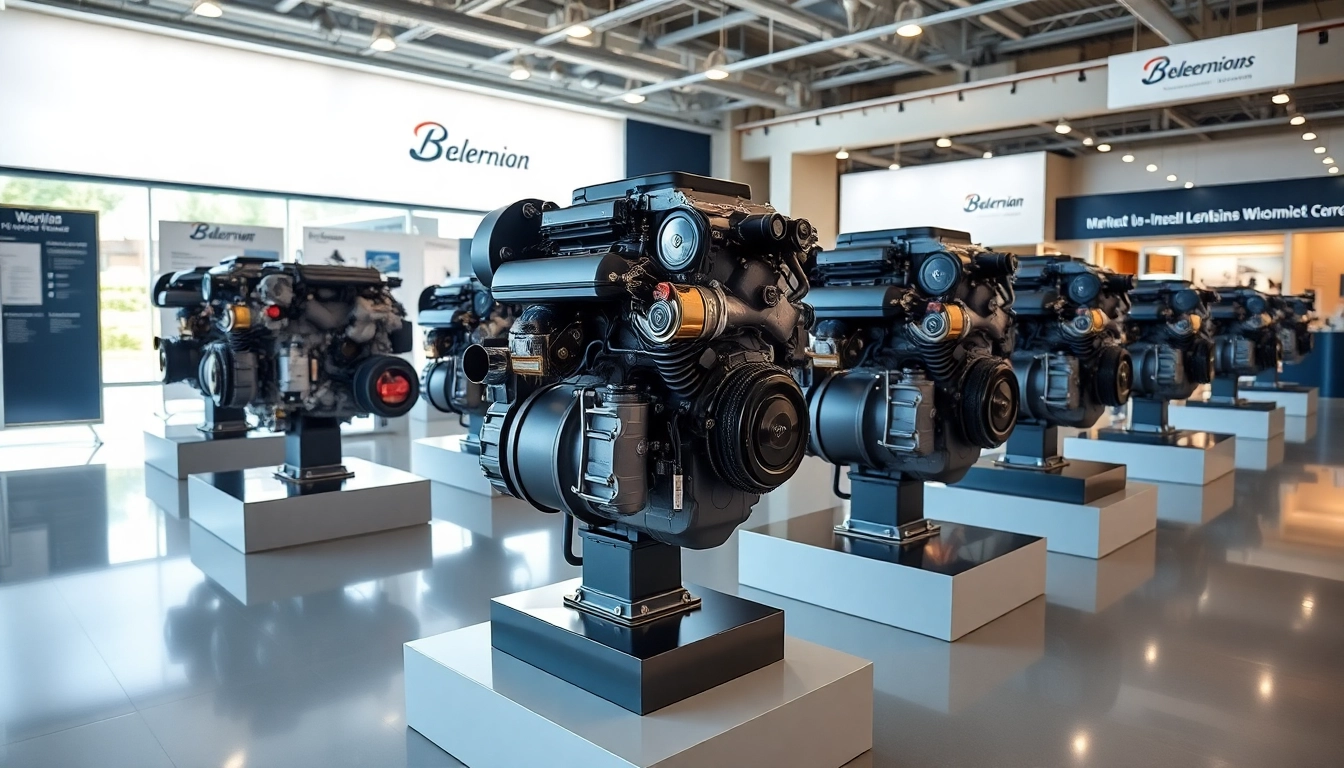
Used engines are pre-owned automotive engines that have been removed from their original vehicles, refurbished, or sold as-is. Typically sourced from salvaged cars or vehicles that have reached the end of their usable life, these engines can be a cost-effective solution for both individual car owners and garages looking to repair or replace engines without investing in brand-new options. The market for used engines is robust, offering a diverse range of makes and models, which makes them appealing for those looking to revitalize a vehicle at a fraction of the cost of purchasing new engines.
Benefits of Choosing Used Engines
Opting for used engines provides numerous advantages:
- Cost Savings: Used engines typically cost significantly less than new engines, making repairs and rebuilds more affordable.
- Sustainability: By choosing a used engine, you contribute to environmental sustainability by reducing waste instead of purchasing new parts.
- Wide Availability: A vast selection of makes and models can be found, catering to various vehicle types and needs.
- Quick Fix: Used engines offer a quicker fix for car problems, enabling owners to get their vehicles back on the road faster.
Common Misconceptions
Despite their perceived advantages, several misconceptions surround used engines that can deter potential buyers:
- Quality Concerns: Some believe that used engines are inherently bad. However, many used engines are rigorously tested and come with warranties.
- Shorter Lifespan: While used engines have previous wear, many can last for years with proper maintenance, sometimes even outliving new engines in specific circumstances.
- Lack of Documentation: Buyers often fear they won’t receive the full history of the engines, but trustworthy sellers provide comprehensive records of the engine’s prior usage.
Evaluating Used Engines
Key Factors to Consider
When evaluating used engines, several key factors can contribute to successful purchases:
- Compatibility: Always ensure the engine matches your vehicle’s make, model, and year.
- Condition: Inspecting the physical and mechanical condition is crucial. Look for signs of rust, wear, and damage.
- Mileage: Lower mileage engines may yield better longevity and reliability compared to higher mileage options.
- Seller Reputation: Research the seller’s background, reviews, and any warranties offered to gauge their authenticity.
Inspecting Engine Condition
A thorough inspection of the engine can reveal its true condition. Look for:
- Visual Inspection: Check for external damage, oil leaks, and any signs of corrosion or rust on engine parts.
- Compression Test: Conducting a compression test will help assess the engine’s internal health and reveal potential underlying issues.
- Fluid Levels: A basic check of oil, coolant, and other fluids can indicate how well the engine has been cared for.
Verifying Engine History
Understanding the history of a used engine is vital. Key steps include:
- Service Records: Request to see any service records or maintenance logs that detail the engine’s history.
- Prior Ownership: Determine how many previous owners the engine had and the circumstances under which it was removed from its former vehicle.
- Inspection Reports: Some sellers may provide an inspection report or certification from a third-party mechanic that attests to the engine’s condition.
Purchasing Tips for Used Engines
Finding Reputable Sellers
Finding the right seller is essential for purchasing used engines. Consider the following:
- Online Marketplaces: Look for established online platforms that specialize in used automotive parts. They often feature customer reviews and ratings.
- Local Salvage Yards: Reputable salvage yards can be a goldmine for quality used engines, as they often provide warranties and service guarantees.
- Word of Mouth: Recommendations from trusted mechanics or fellow vehicle enthusiasts can lead you to reliable sellers.
Negotiation Strategies
Being equipped with negotiation strategies can help you secure better pricing on used engines:
- Research Prices: Before negotiating, research what similar engines are priced at to arm yourself with facts.
- Highlight Flaws: If any imperfections are found during inspection, these can be leveraged in negotiations.
- Walk Away: If the price isn’t aligning with your expectations, be prepared to walk away. Often, sellers will rethink their offer.
Warranties and After-Sales Support
Always inquire about warranties when purchasing used engines. A reputable seller should offer:
- Limited Warranty: Covers repairs or replacements for a certain period after purchase.
- Return Policy: A clear understanding of the return policy can protect you against unsatisfactory purchases.
- Technical Support: Ensure the seller offers support for installation issues or questions post-purchase.
Installing Used Engines
Preparation Steps Before Installation
Proper preparation can significantly streamline the installation process. Consider these steps:
- Gather Documentation: Ensure you have all the paperwork related to the engine, including warranties and service records.
- Prepare the Work Area: Create a clean and organized workspace that is free from clutter to facilitate the installation process.
- Budget for Additional Parts: Identify any additional parts or components needed for installation, such as gaskets and fluids.
Tools Required for Installation
Having the right tools can ease the installation of used engines:
- Basic Hand Tools: Wrenches, sockets, and screwdrivers are fundamental to any engine installation.
- Engine Hoist: Essential for safely lifting and positioning the engine into place.
- Torque Wrench: Ensures proper torque specifications are adhered to when tightening bolts and connections.
Common Installation Mistakes to Avoid
To ensure a successful installation, beware of these common pitfalls:
- Rushing the Process: Take your time to ensure every step is completed with precision, avoiding potential errors.
- Ignoring Maintenance: Before placing the engine, perform any necessary maintenance, like replacing seals and gaskets.
- Overlooking Connections: Double-check all electrical and fluid connections to prevent issues post-installation.
Maintaining Used Engines
Routine Maintenance Practices
Establishing a regular maintenance routine is essential for sustaining the performance of used engines:
- Oil Changes: Regular oil changes keep the engine lubricated and prevent damage from contaminants.
- Coolant Checks: Ensure the cooling system functions correctly to avoid overheating issues.
- Inspection Intervals: Schedule annual inspections to catch potential issues before they escalate.
Troubleshooting Common Issues
If problems arise, knowing how to troubleshoot can save you time and resources:
- Check for Warning Lights: Be proactive in responding to dashboard warning signals indicating engine problems.
- Listen for Unusual Noises: Engine knocking or grinding sounds can indicate serious issues requiring immediate attention.
- Monitor Fluid Leaks: Identify and rectify fluid leaks promptly to prevent further engine damage.
Extending Engine Lifespan
To maximize the lifespan of your used engine, consider these practices:
- Consistent Maintenance: Adhere to a strict maintenance schedule, which is vital for reducing wear and tear over time.
- Quality Parts: When replacing any engine components, opt for high-quality parts that will ensure long-term reliability.
- Avoid Overloading: Do not push the engine beyond its limits, as it can lead to unnecessary strain and quicker degeneration.
Frequently Asked Questions
Are used engines reliable?
Yes, if sourced from reputable sellers and inspected properly, used engines can be very reliable. Many provide warranty options for even greater peace of mind.
How do I know if an engine is compatible with my vehicle?
Check the engine’s specifications and ensure it matches your vehicle’s make, model, and year. Reference your vehicle’s repair manual for assistance.
What should I look for when inspecting a used engine?
Look for signs of wear, leaks, and damage. Perform a compression test and check fluid levels to ascertain the engine’s health.
Is it worth buying a used engine?
Yes, buying a used engine is often more cost-effective than a new one, especially if the engine is in good condition and comes with a warranty.
How can I extend the lifespan of my used engine?
Regular maintenance, using quality parts for repairs, and avoiding excessive strain on the engine can all help to extend its lifespan significantly.