
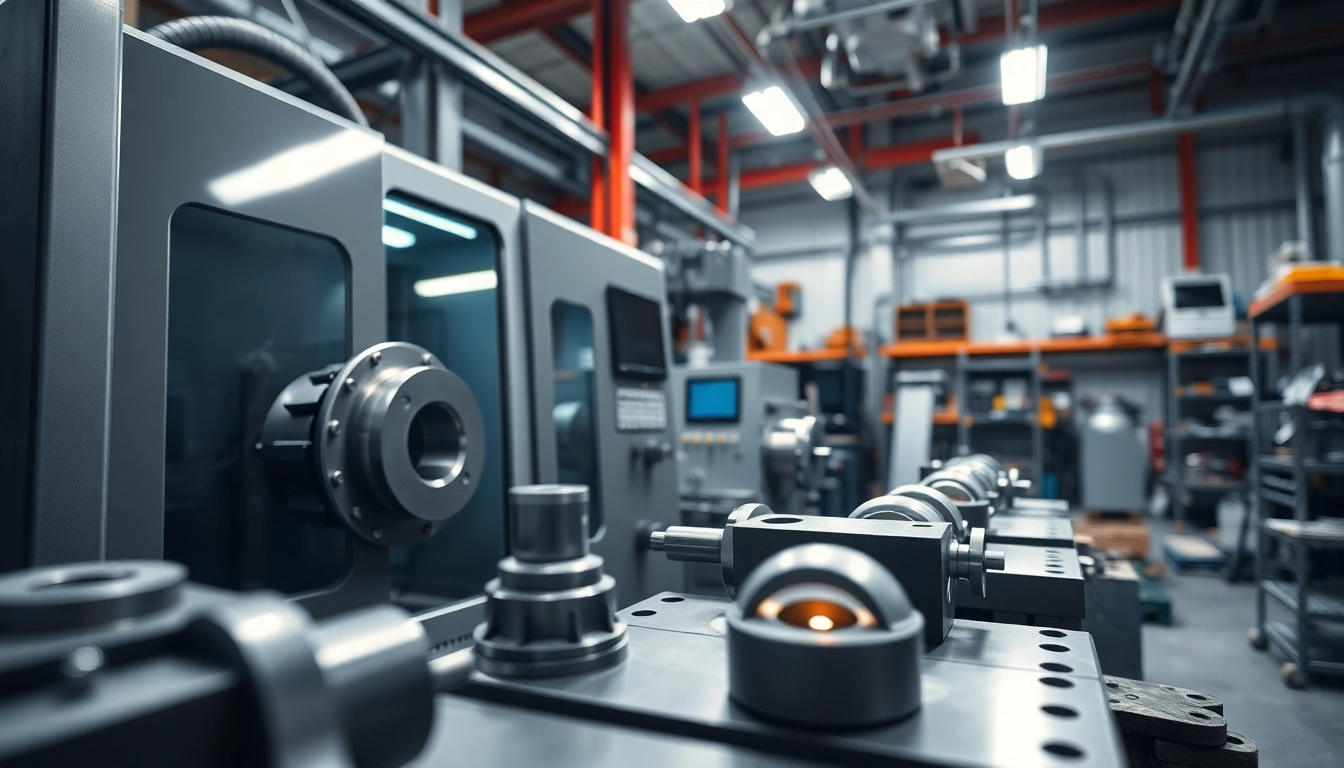
Leading Custom Part Manufacturer: Precision Engineering and Innovation
Understanding Custom Part Manufacturing
Custom part manufacturing refers to the process of creating components tailored to specific requirements of various industries. This manufacturing approach enables businesses to produce unique and high-quality parts that meet their exact operational needs. The complexity of these projects can vary significantly based on design specifications, required tolerances, and production volumes. These factors place a premium on finding the right custom part manufacturer capable of meeting diverse demands.
What is Custom Part Manufacturing?
Custom part manufacturing involves creating components per client specifications, which may include tolerances, dimensions, and material properties that are not readily available off the shelf. This tailored approach is essential in industries ranging from aerospace to automotive, where precision and adherence to strict regulatory standards are critical. These custom parts may be produced through various technologies, including CNC machining, injection molding, and additive manufacturing, each offering unique advantages depending on the application.
Importance of Quality in Custom Parts
The quality of custom parts can significantly affect a project’s success. High-quality components ensure better performance, reduce the risk of failure, and improve overall product reliability. Therefore, manufacturers must adopt stringent quality control measures, including advanced testing and verification processes, to ensure compliance with design specifications. Quality is also crucial for maintaining a brand’s reputation, as low-quality parts can result in product recalls and customer dissatisfaction.
Key Technologies in Custom Part Manufacturing
Several key technologies play pivotal roles in the custom part manufacturing process:
- CNC Machining: A subtractive manufacturing process that uses computer-controlled tools to create precise parts.
- 3D Printing: An additive manufacturing technique that builds components layer by layer, allowing for complex geometries.
- Injection Molding: A process used primarily for high-volume production of plastic parts, where melted material is injected into molds.
- Sheet Metal Fabrication: Involves cutting, bending, and assembling processes to produce custom metal parts.
Finding the Right Custom Part Manufacturer
Choosing the right custom part manufacturer is critical to the success of your project. This decision can impact timelines, budgets, and overall product quality.
Qualities to Look For
When searching for a custom part manufacturer, consider the following qualities:
- Expertise: The manufacturer should have experience in your industry and a proven track record of successful projects.
- Technical Capabilities: Assess their equipment and technologies—ensuring they can deliver parts to your specifications.
- Customer Support: A responsive and knowledgeable team can help resolve issues quickly and efficiently.
- Reliability: Check reviews and testimonials to gauge how trustworthy the manufacturer is in delivering quality on time.
The Role of Certifications and Standards
Certifications such as ISO 9001 or specific industry-related certifications can be indicative of a manufacturer’s commitment to quality. These standards enforce consistent quality practices and ensure that the manufacturing process aligns with industry regulations. It is vital to verify these certifications when selecting a manufacturer, as they reflect the capability to produce parts that meet rigorous criteria.
Evaluating Manufacturer Capabilities
Before committing to a manufacturer, conduct a thorough evaluation of their capabilities. Check if they provide the following:
- Prototyping Services: Ability to create prototypes for initial testing and validation.
- Production Volume Flexibility: Capacity to meet both large and small volume requirements.
- Material Options: A diverse range of materials to ensure compatibility with design requirements.
- Lead Time: Clear timelines on production and delivery to allow for efficient project planning.
Common Challenges in Custom Part Manufacturing
While custom part manufacturing offers numerous benefits, it also presents various challenges that can affect a project’s success. Identifying and understanding these challenges can help in forming effective strategies to overcome them.
Managing Production Timelines
Production timelines can often be a concern for businesses, especially when unexpected delays occur. Factors such as material availability, machine breakdowns, and design modifications can all contribute to extended timelines. To mitigate these risks, establish clear communication with the manufacturer and consider buffer time in project schedules.
Dealing with Design Changes
Frequent design modifications can disrupt production schedules and increase costs. To handle this, implement a robust design review process before finalization. Engaging in a collaborative design phase with the manufacturer can facilitate feedback and adjustments early, minimizing future changes.
Ensuring Consistency and Quality Control
Maintaining consistent quality across produced parts can be challenging, especially in high-volume runs. It is essential to enforce strict quality assurance protocols throughout the production process, including regular inspections, testing, and utilizing statistical quality control methods to monitor production consistency.
Best Practices for Working with a Custom Part Manufacturer
Effective collaboration between businesses and manufacturers is crucial for successful custom part production. Here are some best practices to enhance that relationship.
Effective Communication with Manufacturers
Open lines of communication can drastically improve the manufacturing process. Provide comprehensive project briefs, and do not hesitate to discuss specific requirements or concerns throughout production. Regular check-ins and updates will also help keep the project on track.
Preparing Accurate Specifications
When submitting specifications, ensure documents are detailed and clear. Include material choices, tolerances, and any necessary performance standards. This accuracy helps the manufacturer in delivering the correct product aligned with your expectations.
Utilizing Prototyping for Feedback
Prototyping is an invaluable tool in custom part manufacturing—allowing for early detection of potential issues. It enables designers to assess design viability and functionality before full-scale production, thereby saving time and reducing costs associated with late-stage modifications.
Future Trends in Custom Part Manufacturing
The landscape of custom part manufacturing is constantly evolving. Staying informed about current and emerging trends can provide businesses with strategic advantages.
Advances in Material Science
Innovations in material science are leading to the development of new materials with enhanced properties. These materials can offer greater strength-to-weight ratios and improved thermal and electrical conductivity, opening doors to innovative design and functionality in custom parts.
Sustainable Manufacturing Practices
With increasing awareness of environmental issues, sustainable manufacturing is gaining traction. Manufacturers are exploring eco-friendly materials and processes, such as recycling waste materials and adopting energy-efficient production methods, to minimize their environmental impact.
Impact of Automation and AI
Automation and artificial intelligence are revolutionizing custom part manufacturing. AI-driven analytics can optimize production processes, predict maintenance needs, and streamline supply chains. Incorporating robotics in manufacturing processes enhances precision and efficiency while reducing human error.
FAQs about Custom Part Manufacturing
What types of industries use custom part manufacturing?
Custom part manufacturing is common across various industries, including aerospace, automotive, healthcare, and electronics, where specialized components are often required.
How can I ensure the quality of custom parts?
To ensure quality, choose manufacturers with industry certifications, maintain clear communication about requirements, and implement quality control measures throughout the production process.
What is the typical lead time for custom part production?
Lead times can vary based on complexity and volume but typically range from a few weeks to months. Discuss specific timelines with your manufacturer early in the project.
Are prototypes necessary in the custom manufacturing process?
Yes, prototypes help validate design functionality and identify potential issues before full-scale production, ultimately saving time and costs in the development phase.
What should I include in my specifications for custom parts?
Specifications should detail dimensions, tolerances, materials, surface finishes, and any relevant performance requirements to guide the manufacturer accurately.