Introduction to Smart Home Devices and Their Benefits
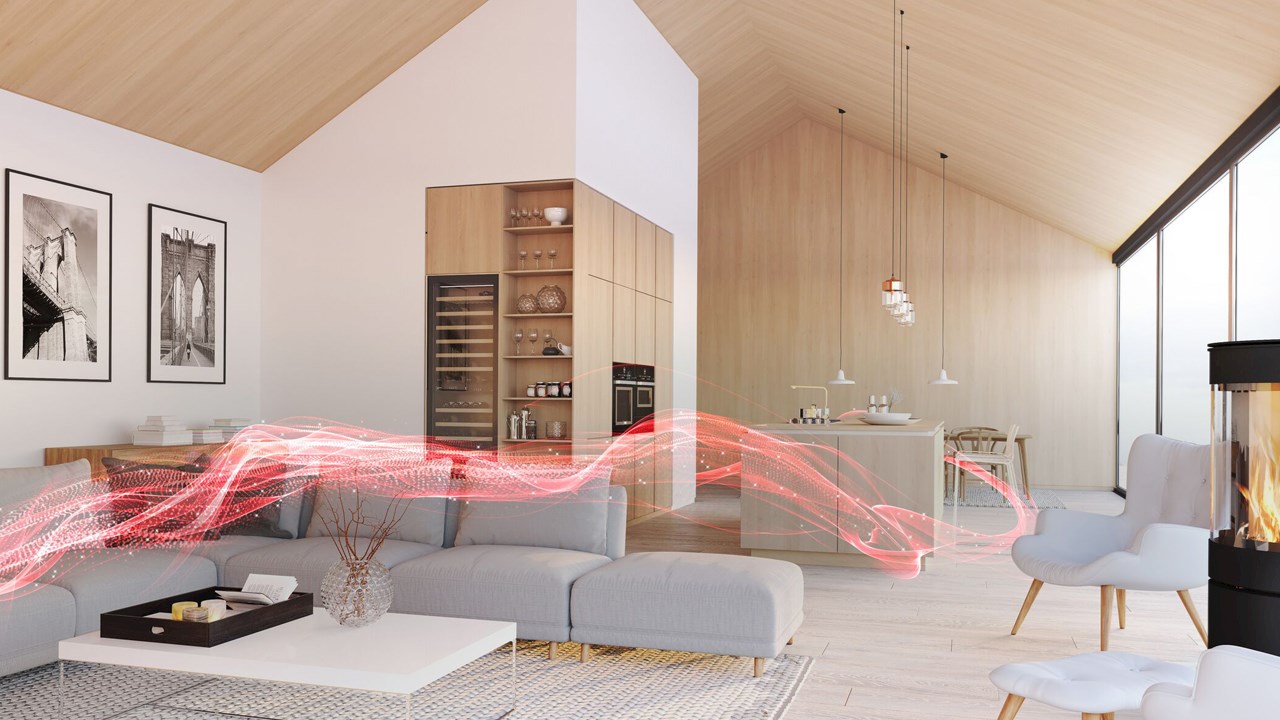
In an era where technology has seamlessly integrated into our daily lives, the concept of a smart home has emerged as a significant trend. Smart home devices are not just gadgets; they represent a paradigm shift in how we manage our living spaces. These devices enhance convenience, security, and energy efficiency, affecting our lifestyle positively. By integrating Smart home devices into residential settings, homeowners can exert control through automation and remote access.
What Are Smart Home Devices?
Smart home devices refer to an array of connected gadgets designed to improve the functioning and comfort of homes. These devices utilize the Internet of Things (IoT) technology, allowing them to communicate and work together. Examples include smart lights, security cameras, sensors, and climate control systems, all of which can be controlled via smartphones or voice assistants.
Benefits of Integrating Smart Home Devices
The benefits of integrating smart home devices into everyday life extend beyond mere convenience. Some notable advantages include:
- Increased Convenience: With smart devices, tasks such as adjusting thermostats or switching off lights can be done with minimal effort, often through voice commands or smartphone apps.
- Enhanced Security: Smart security cameras and alarms allow homeowners to monitor their property remotely, adding an extra layer of protection.
- Energy Efficiency: Smart thermostats and lighting can help reduce energy consumption, leading to lower utility bills.
- Remote Access: The ability to manage home devices from anywhere provides peace of mind when homeowners are away.
Overview of Popular Smart Home Devices
Some of the most popular smart home devices include:
- Smart Speakers: Devices that often integrate virtual assistants to facilitate voice control.
- Smart Lights: LED lighting that can be dimmed, brightened, or colored from a remote application.
- Smart Thermostats: Devices that learn from user behaviors to optimize heating and cooling schedules.
- Smart Locks: Keyless entry systems that enhance security and ease of access.
Types of Smart Home Devices Available
Smart Lighting Solutions
Smart lighting solutions are essential components of any smart home setup. They include smart bulbs that can change color or intensity and smart switches that allow for remote control. Many smart lighting systems can be programmed or scheduled to enhance security by simulating occupancy when homeowners are away.
Smart Security Cameras
Smart security cameras offer various features such as motion detection, facial recognition, and cloud storage. This technology allows homeowners to receive alerts on their smartphones when unusual activities are detected, significantly enhancing the security posture of residential properties.
Smart Thermostats and Climate Control
Smart thermostats can optimize energy usage by learning residents’ schedules and preferences. Coupled with sensors, these devices can detect occupancy, leading to efficient climate control and significant energy savings.
Choosing the Right Smart Home Devices for Your Needs
Assessing Your Home’s Layout
Before purchasing smart home devices, it’s crucial to assess your home's layout. Consider the size of your space, current electrical systems, and Wi-Fi coverage. This assessment will help identify which devices will function correctly and how many devices to integrate.
Understanding Compatibility Requirements
Smart home devices often operate on different standards and protocols, such as Zigbee, Z-Wave, or Wi-Fi. Ensure compatibility within your device ecosystem for seamless operation to avoid connectivity issues.
Setting a Budget for Your Purchase
Smart home products vary significantly in price. Establishing a budget beforehand can help streamline mobile device selection and prevent overspending while still acquiring quality equipment that meets your needs.
Installation and Setup of Smart Home Devices
Easy Steps for Setting Up Smart Devices
Setting up smart home devices usually involves these steps:
- Choose the location for the device.
- Follow the manufacturer's instructions for installation.
- Connect the device to your home Wi-Fi.
- Use the corresponding app for configuration and to link with other devices.
Common Installation Mistakes to Avoid
Common pitfalls during installation include improper device placement for signals and failure to update firmware. Always refer to guidelines for optimal setup to maximize functionality.
Ensuring Device Security and Privacy
As smart home devices often collect data, securing them is paramount. Implement strong passwords, enable two-factor authentication, and regularly update firmware to enhance security and protect personal information.
Future Trends in Smart Home Devices
Emerging Technologies in Smart Home Devices
The field of smart home technology is continuously evolving. Key trends to watch include artificial intelligence integration, which can significantly enhance device capabilities, flexibility in device management, and user predictive analysis functionality.
Sustainability in Smart Home Devices
Consumers increasingly seek sustainable technology solutions. Future smart devices will likely emphasize energy efficiency, enabling users to minimize their carbon footprint while maintaining comfort.
Predictions for the Smart Home Devices Market
The smart home device market is projected to grow, with advancements in connectivity, energy efficiency, and user experience driving this expansion. As technology continues to evolve, consumers can expect increasingly advanced products that speak to convenience and security.
FAQs About Smart Home Devices
1. What are the essential smart home devices to start with?
Common essentials include smart speakers, lights, thermostats, and security cameras, which enhance convenience and safety.
2. How do smart home devices enhance security?
Smart devices provide remote monitoring, real-time alerts, and automated features that can deter intruders and keep homes secure.
3. Can smart home devices save energy?
Yes, devices like smart thermostats and lighting can optimize energy consumption, leading to lower utility bills.
4. Are smart home devices easy to install?
Most devices come with user-friendly installation guides. Basic skills are usually sufficient for setup, but some may require professional help.
5. How do I ensure my smart home devices are secure?
Use strong passwords, enable two-factor authentication, and keep your devices’ firmware updated to secure against vulnerabilities.