
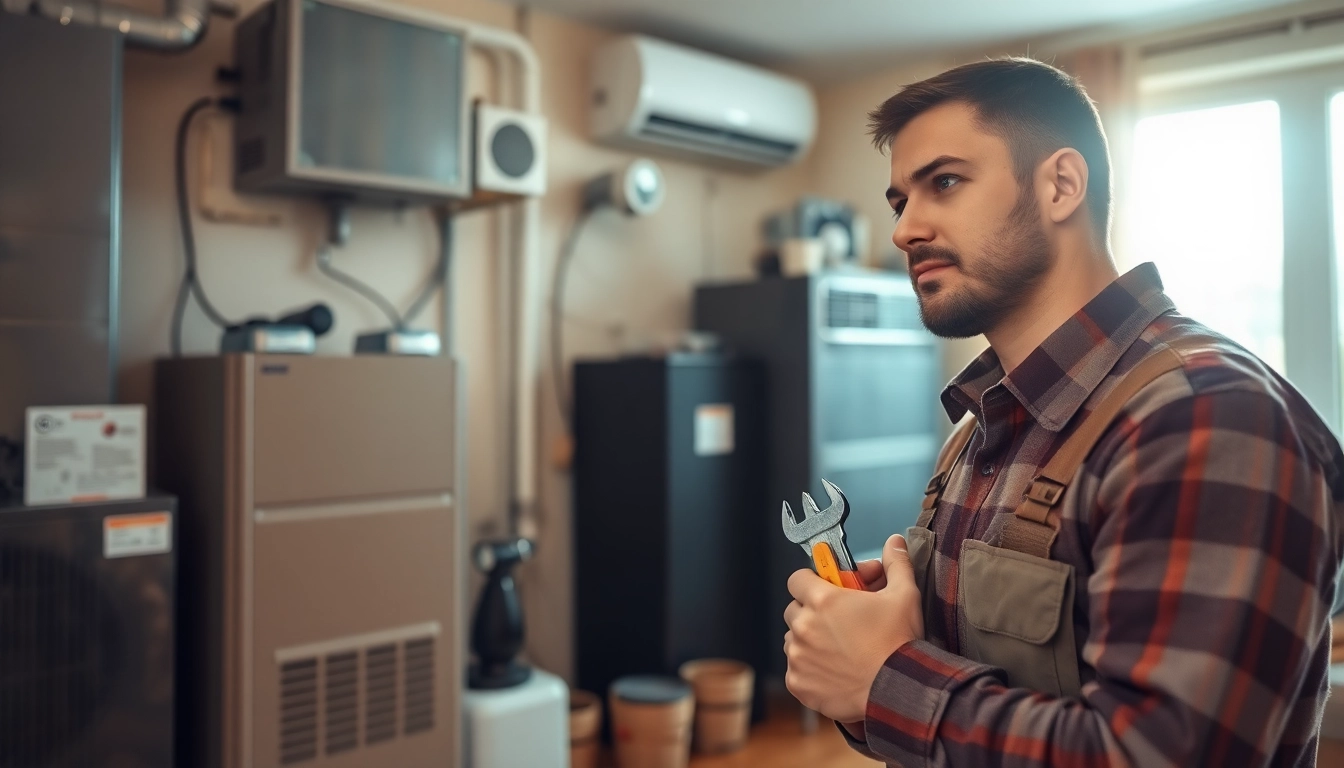
Essential Insights on Residential Heating and Cooling for Optimal Home Comfort
Understanding Residential Heating and Cooling Systems
In our modern world, maintaining a comfortable home environment is essential. Residential heating and cooling systems play a crucial role in this goal, providing warmth during those chilly months and a refreshing coolness in the heat of summer. Understanding these systems is the first step to ensuring your home’s climate control is efficient, effective, and cost-effective.
Types of Residential Heating Options
Residential heating systems come in various forms, each with its own advantages and limitations. The main types include:
- Furnaces: These are among the most common heating solutions. Furnaces can operate using gas, oil, or electricity, and they work by distributing warm air through ducts in the home.
- Heat Pumps: Heat pumps are versatile systems capable of both heating and cooling. They transfer heat from the ground, water, or the air outside into your home, making them energy-efficient options.
- Boilers: Using hot water or steam, boilers can effectively heat your home through radiators or under-floor systems. They are known for providing a consistent heat source.
- Wood & Pellet Stoves: These traditional options offer a unique charm and can effectively heat small areas by burning wood or pellets.
- Electric Heaters: Portable electric heaters can serve as supplemental heat sources. While convenient, they can be less energy-efficient if used as primary heating sources.
Exploring Cooling Solutions for Homes
Just as essential as heating, cooling solutions maintain comfort in the warmer months. Several options are available, including:
- Central Air Conditioning: This is one of the most effective ways to cool a home. It uses a system of ducts to distribute cool air throughout the house, making it ideal for larger spaces.
- Window Air Conditioners: These units cool individual rooms and are often more affordable but might not be adequate for larger or multi-story homes.
- Ductless Mini-Split Systems: These systems allow for personalized temperature control in different zones of the house without requiring ductwork.
- Evaporative Coolers (Swamp Coolers): Best suited for dry climates, these coolers use water evaporation to cool the air and can be energy-efficient alternatives.
How Systems Work Together for Indoor Comfort
For optimal indoor comfort, heating and cooling systems must work harmoniously together. Properly installed and maintained systems ensure minimum energy consumption while maximizing comfort. For example, a well-functioning heat pump can efficiently transfer warm air in winter and cool air in summer, minimizing the need for separate systems. Additionally, integrating smart thermostats into your setup can significantly enhance the efficiency of heating and cooling operations by learning your habits and optimizing your HVAC usage accordingly.
Choosing the Right Residential Heating and Cooling Systems
Selecting the right systems for your home involves careful consideration of several crucial factors, including your home’s specific needs, budget, and preferences.
Factors to Consider for Your Home
When evaluating which residential heating and cooling systems to implement, consider the following:
- Size of Your Home: The size will dictate the capacity of the systems you need. A larger space may require a central system, while smaller homes can often manage with smaller, more specialized units.
- Climate: Your local climate can heavily influence the types of systems that will be most effective and energy-efficient. For instance, areas with hot summers may benefit more from advanced cooling technologies.
- Budget: It’s essential to assess not just the initial installation cost but also the long-term energy costs and maintenance requirements.
- Energy Source: Depending on availability, you may have different options for heating, such as electricity, natural gas, or renewable energy sources like solar.
Energy Efficiency Ratings Explained
Energy efficiency is a critical consideration in selecting heating and cooling systems. Pay close attention to the following ratings:
- SEER (Seasonal Energy Efficiency Ratio): Measures the cooling efficiency of air conditioning systems. The higher the SEER rating, the more energy-efficient the system.
- EER (Energy Efficiency Ratio): Similar to SEER but measured at specific conditions. It’s useful for understanding how a unit operates under peak load.
- AFUE (Annual Fuel Utilization Efficiency): This rating reflects the heating efficiency of furnaces and boilers. An AFUE rating closer to 100% indicates less energy waste.
Budgeting for Installation and Maintenance
Before proceeding, it’s imperative to consider the total cost involved in installation and routine maintenance. A detailed budget will encompass:
- Initial Purchase Cost: The upfront cost of the equipment and installation can vary significantly based on type, brand, and system size.
- Installation Fees: Professional installation is crucial for optimal system performance. Be prepared for varying costs based on the complexity and type of system.
- Operational Expenses: Analyze the anticipated monthly energy bills based on efficiency ratings and local utility rates.
- Maintenance Costs: Scheduling routine maintenance is essential for longevity. Set aside a budget for annual inspections and potential repairs.
Common Challenges in Residential Heating and Cooling
Despite advancements, homeowners often face various challenges with their heating and cooling systems. Identifying and addressing these challenges can lead to improved efficiency and comfort.
Identifying Inefficiencies in Current Systems
Recognizing system inefficiencies can save money and enhance comfort. Common signs include:
- Inconsistent Temperatures: Variations in temperature from room to room often indicate airflow problems or duct issues.
- High Energy Bills: An unexpected surge in utility costs can signify that a system is overworking, possibly due to wear and tear or inefficient operation.
- Strange Noises: Any unusual sounds may denote mechanical issues that could worsen if left unaddressed.
Dealing with Common System Failures
Heating and cooling systems can experience failures, which might be addressed proactively. Common issues include:
- Thermostat Malfunctions: A malfunctioning thermostat can disrupt temperature control, and recalibration or replacement may be needed.
- Clogged Filters: Dirty air filters can limit airflow, causing a reduction in efficiency. Regularly changing filters is essential.
- Refrigerant Leaks: In cooling systems, low refrigerant levels may indicate leaks, necessitating professional assessment and repair.
Seasonal Maintenance Best Practices
To ensure the longevity and efficiency of your systems, implement seasonal maintenance practices:
- Spring and Summer: Before the cooling season, inspect and clean the AC unit, check refrigerant levels, and ensure that all air ducts are unobstructed.
- Fall and Winter: Clean and inspect heating units, ensure that flues are clear, and replace air filters ahead of heavy usage.
- Regular Inspections: Scheduled professional inspections can help catch minor issues before they become major repairs.
Innovative Solutions in Residential Heating and Cooling
The HVAC field is evolving with innovative solutions aimed at improving efficiency and reducing environmental impact.
Smart Thermostats and Their Benefits
Smart thermostats are revolutionizing how homeowners manage their heating and cooling. These devices offer several benefits:
- Adaptive Learning: Many smart thermostats can learn your temperature preferences and adjust settings automatically.
- Remote Control: Control your heating and cooling systems from anywhere using your smartphone, leading to optimal comfort and energy savings.
- Usage Reports: Most smart thermostats provide insights into your energy consumption, allowing for more informed usage patterns.
Hybrid Systems for Greater Efficiency
Hybrid systems combine different technologies to optimize energy efficiency:
- Heat pumps and Furnaces: In climates with extreme temperatures, a combination of heat pumps and gas furnaces can maximize efficiency over the seasons.
- Multi-Zone Systems: These systems use zoning controls allowing for different areas of the home to be heated and cooled independently.
Eco-Friendly Heating and Cooling Options
Homeowners increasingly seek eco-friendly alternatives:
- Solar Panels: Utilizing solar energy can power cooling and heating systems, greatly reducing reliance on conventional energy sources.
- Geothermal Systems: These systems utilize the earth’s stable underground temperature to provide heating and cooling, accessing a renewable energy source with minimal emissions.
FAQs About Residential Heating and Cooling
What should I look for in a heating and cooling system?
Consider efficiency ratings, capacity, type, installation costs, and maintenance requirements. Evaluate how these align with your home’s needs.
How often should I service my heating and cooling systems?
It’s recommended to have annual maintenance to ensure optimal performance and longevity, enhancing efficiency and comfort while preventing costly repairs.
What are the signs my heating system needs repairs?
Look for unusual noises, inconsistent temperatures, or increased energy bills as indicators that your heating system may require repairs or professional attention.
Are there eco-friendly options for heating and cooling?
Yes, options like heat pumps, geothermal systems, and solar energy installations are effective eco-friendly alternatives that can significantly lower your carbon footprint.
How can I improve the efficiency of my existing system?
Regular maintenance, installing smart thermostats, and ensuring proper insulation can significantly enhance the efficiency of your heating and cooling systems, saving energy and costs.