
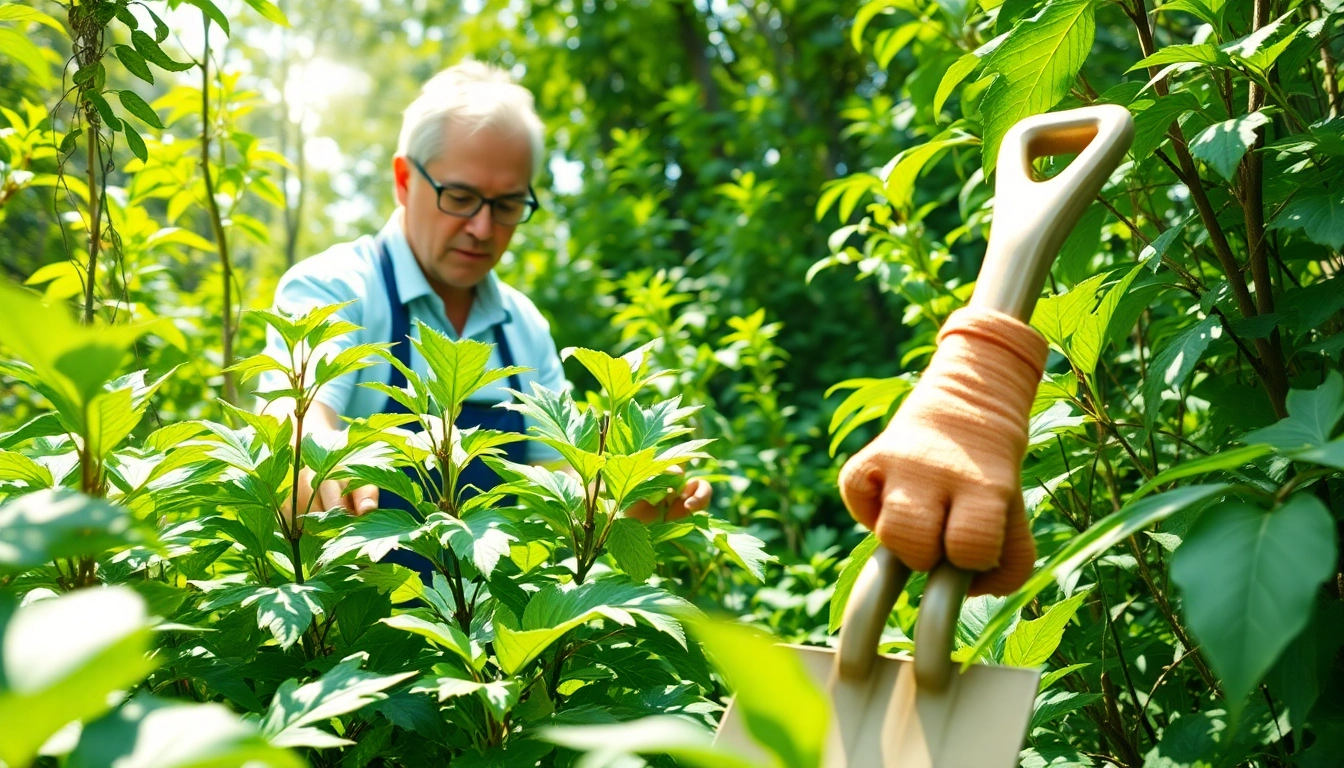
Essential Guide to Japanese Knotweed Removal: Strategies and Solutions
Understanding Japanese Knotweed Removal
Japanese Knotweed (Fallopia japonica) is an invasive plant species that poses significant challenges to property owners and land managers. This perennial herb, originally from East Asia, is notorious for its rapid growth and the difficulties it presents in terms of removal and management. Those facing issues with this plant should consider the importance of effective Japanese Knotweed Removal strategies to protect their property and surrounding environment.
What is Japanese Knotweed?
Japanese Knotweed is characterized by its bamboo-like stems, large heart-shaped leaves, and white flowers that bloom in late summer. The plant can grow up to three meters tall and has an extensive underground rhizome network, making it incredibly difficult to eradicate. Often, it invades gardens, green spaces, and even urban developments, thriving in various conditions.
Why is Removal Important?
Removing Japanese Knotweed is crucial due to its invasive nature, which can damage property values and disrupt local ecosystems. The aggressive growth can lead to structural damage as its roots penetrate foundations, drainage systems, and other vital structures. For homeowners looking to sell their property, the presence of this plant can deter potential buyers and even complicate mortgage approvals, as lenders often require proof of successful removal.
Identifying Infestations
Identifying an infestation early is key to managing Japanese Knotweed effectively. Look for the following signs:
- Bamboo-like stems with a distinctive zig-zag growth pattern.
- Large leaves, typically 10-15 cm across, that are green in summer and may turn yellow in fall.
- White flowers that bloom in clusters, typically observed in late summer.
Infestations usually occur in clusters, so familiarizing yourself with the plant can help in spotting it early.
Methods of Japanese Knotweed Removal
Mechanical Removal Techniques
Mechanical removal involves digging out the plant and its rhizomes. This method can be effective but requires thoroughness to ensure that no parts of the root system remain, as this can lead to regrowth. Excavation should ideally be performed during the plant’s active growth season to ensure the rhizomes are close to the surface.
Chemical Treatment Options
Chemical treatments involve the application of herbicides specifically designed to target Japanese Knotweed. Glyphosate is commonly used; however, its application requires knowledge of suitable dose and timing to maximize effectiveness while minimizing risks to surrounding plants. It’s critical to follow all safety guidelines and regulations when using chemicals.
Combined Approaches for Effectiveness
For optimal results, a combined approach is often recommended. This means utilizing both mechanical and chemical methods to ensure that the plant is thoroughly eliminated. For instance, initial mechanical removal can be followed up with herbicide application to kill remaining roots and prevent regrowth, ensuring long-term management of the infestation.
Best Practices for Successful Removal
Strategic Planning for Removal
Effective Japanese Knotweed removal requires careful planning. Begin by assessing the infested area, understanding the scale of the problem, and formulating a comprehensive removal plan tailored to your specific situation. It’s often advisable to involve professionals who can provide expertise in both assessment and execution.
Timing and Seasonal Considerations
Timing is crucial in the removal process. Spring is typically the best time to begin treatment, as this is when the plant is actively growing. Mechanical removal should coincide with this period, while chemical treatments can be applied as the plant shows signs of resurgence, often later in the growing season.
Monitoring and Follow-ups
Post-removal monitoring is essential to catch any regrowth early. Regular inspections of the area for signs of new growth should be conducted for at least three years after initial treatment. Follow-up herbicide applications may be necessary to ensure a permanent solution and to protect any surrounding native vegetation from regrowth.
Common Challenges in Japanese Knotweed Removal
Contamination Risks
When removing Japanese Knotweed, one common challenge is the risk of contamination of surrounding soil. Proper disposal of the plant material is critical. Ideally, it should be transported to a licensed waste facility that can handle invasive species safely. Failing to do so may result in the spread of the plant to new areas, exacerbating the initial problem.
Soil Recovery After Removal
Once Japanese Knotweed has been successfully removed, the soil may need to be rehabilitated. The removal process can disrupt local ecosystems and soil composition. Adding organic matter or native plants will help restore soil health and promote the reestablishment of a balanced environment.
Legal Obligations and Property Risks
Property owners have a legal obligation to manage Japanese Knotweed infestations responsibly. In some regions, failing to manage the plant can lead to fines and civil liability issues. Understanding local laws and regulations related to invasive plant species is essential in ensuring compliance and mitigating property risks.
Frequently Asked Questions
What is the best method for Japanese Knotweed Removal?
The most effective approach combines mechanical and chemical treatments for thorough eradication. This dual strategy helps ensure the plant does not regrow.
How long does it take to remove Japanese Knotweed?
The removal process can take several months to a few years, depending on the infestation’s size and the methods used for removal.
Can I remove Japanese Knotweed on my own?
While DIY removal is possible, it’s recommended to hire professionals due to the complexity of complete eradication and to prevent future infestations.
Are there long-term effects after removal?
Long-term effects may include changes in soil health, and there may be a need for ongoing monitoring to ensure no regrowth occurs, thereby ensuring ecological balance.
What should I do if it comes back?
If Japanese Knotweed returns, reapply mechanical or chemical methods as needed. Regular monitoring is essential for catching any regrowth early.