
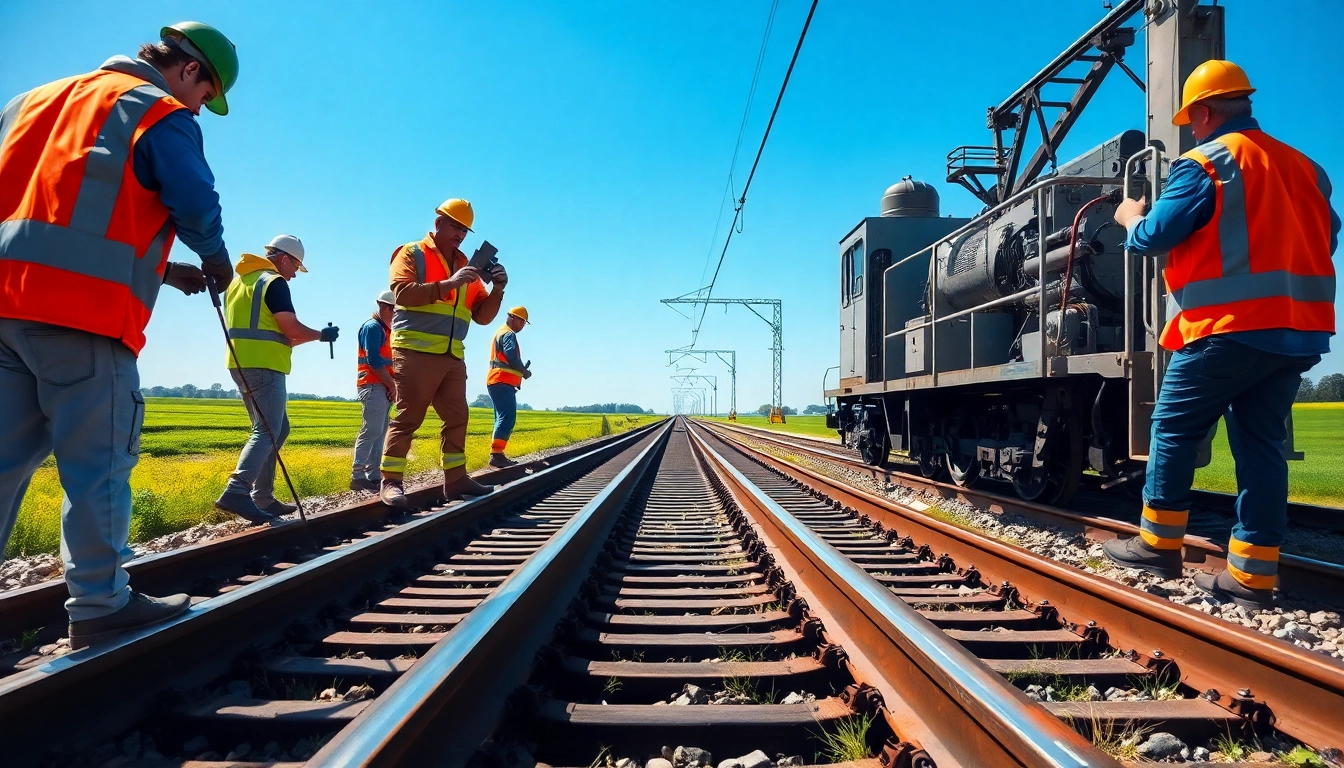
Effective Strategies for Railroad Maintenance to Ensure Safe Operations
Understanding Railroad Maintenance Fundamentals
The Importance of Railroad Maintenance
Railroad maintenance is a critical aspect of ensuring the safety and efficiency of rail transport systems. An effective Railroad Maintenance strategy allows for the longevity of rail infrastructure, reduces operational delays, and minimizes costs associated with unplanned repairs. By investing in regular upkeep, rail companies can maintain their schedules and enhance customer satisfaction.
Types of Railroad Maintenance
Railroad maintenance typically falls into four main categories:
- Preventive Maintenance: Scheduled actions taken to prevent defects or failures.
- Predictive Maintenance: Utilizing data and analytics to predict when maintenance should be performed.
- Corrective Maintenance: Repairs conducted after a defect has occurred.
- Emergency Maintenance: Unplanned actions taken to resolve immediate issues affecting rail operations.
Effective maintenance programs incorporate a mix of these methods tailored to the specific needs of the infrastructure.
Key Components of Railroad Infrastructure
Understanding the essential components of railroad infrastructure is vital for implementing effective maintenance strategies. Key components include:
- Tracks: Rails and ties that form the foundation for rail operations.
- Switches and Crossings: Devices allowing trains to switch tracks or change direction.
- Signaling Systems: Systems that ensure safe operations by providing critical information to train operators.
- Bridges and Tunnels: Structures that facilitate rail transport over obstacles.
Each of these components requires regular monitoring and maintenance to ensure safe and efficient rail operations.
Common Challenges in Railroad Maintenance
Weather Impact on Rail Tracks
Weather conditions, including extreme temperatures and precipitation, can significantly affect rail tracks’ integrity. For example, high temperatures can cause rails to buckle, while heavy rains may lead to flooding of tracks, impairing safety. An in-depth understanding of local weather patterns enables railroad companies to adapt their maintenance strategies, ensuring timely interventions are made to mitigate potential damage.
Equipment and Resource Limitations
Maintenance programs can be constrained by the availability of resources and specialized equipment. Older machinery can become inefficient and may require more frequent repairs. Investing in modern maintenance technology can improve efficiency and reduce long-term costs, allowing companies to maintain high operational standards.
Safety Protocols and Compliance
Fulfilling safety protocols and regulatory compliance poses a substantial challenge in railroad maintenance. Railroad companies must adhere to safety standards set by authorities, which necessitates ongoing training for maintenance personnel and regular audits of practices. Ensuring compliance not only enhances safety but also mitigates the risk of costly penalties.
Best Practices for Effective Railroad Maintenance
Regular Inspections and Monitoring Techniques
Implementing a schedule for regular inspections is vital to identify potential issues early. Techniques like visual inspections, ultrasonic testing, and even drone surveys can provide valuable insights into the condition of tracks and infrastructure. Utilizing these methods effectively can lead to significant cost savings and enhance operational safety.
Preventive Maintenance Strategies
Preventive maintenance strategies are designed to uphold railroad infrastructure and identify potential faults before they escalate. Scheduled track repair programs, detailed records of maintenance history, and adherence to best practices in material quality will amplify the longevity of rail networks. Continuous training for maintenance staff enhances their ability to execute comprehensive preventive measures effectively.
Utilizing Technology in Maintenance Practices
In the modern age of railroad maintenance, technology plays an integral role. Predictive analytics, real-time monitoring systems, and condition-based maintenance applications can significantly reduce downtime and enhance operational efficiency. Integrating Internet of Things (IoT) devices allows for instant data collection, leading to informed decision-making regarding maintenance schedules.
Implementing a Successful Railroad Maintenance Plan
Setting Maintenance Goals and Objectives
Establishing clear goals and objectives for maintenance is crucial. Goals should focus on safety, efficiency, and cost-effectiveness, ensuring alignment between maintenance practices and broader organizational objectives. Regular reviews of these goals ensure they remain relevant and effective.
Resource Allocation and Scheduling
A strategic approach to resource allocation involves assessing labor, equipment, and financial resources necessary for effective maintenance. Creating a detailed schedule that outlines maintenance activities and facilitates optimal resource use is essential for maximizing efficiency.
Performance Metrics for Evaluation
Monitoring and evaluating maintenance performance is critical for continuous improvement. Metrics such as Average Repair Time (ART), track availability, and the frequency of maintenance-related incidents provide insights into the effectiveness of maintenance strategies. Regular assessment allows for timely adjustments and resource reallocation to optimize performance.
Future Trends in Railroad Maintenance
Innovative Technologies Shaping the Industry
The advent of innovative technologies such as machine learning, artificial intelligence, and autonomous maintenance vehicles is transforming railroad maintenance. These advancements enhance capacity for predictive maintenance, allowing for better forecasting of repairs and minimizing the need for emergency responses.
Sustainable Practices in Railroad Maintenance
As environmental concerns grow, the railroad industry is focusing on sustainable maintenance practices. This includes utilizing eco-friendly materials, recycling old rail infrastructure, and investing in energy-efficient maintenance processes. Employing sustainable practices not only benefits the environment but also plays a vital role in presenting a positive public image.
Adapting to Evolving Regulatory Standards
Regulatory standards in the railroad industry are continually evolving. Companies must stay informed about new regulations and adapt their maintenance practices accordingly. A proactive approach to compliance not only ensures safety but also supports the company’s reputation and overall operational integrity.
FAQs About Railroad Maintenance
What is railroad maintenance?
Railroad maintenance includes activities to ensure the track and related infrastructure are safe, efficient, and in good working condition. It involves inspections, repairs, and upgrades.
Why is regular maintenance necessary?
Regular maintenance prevents accidents, reduces repair costs, and prolongs the lifespan of rail infrastructure ensuring safe and reliable operations.
What are common challenges in railroad maintenance?
Common challenges include adverse weather conditions, equipment limitations, resource availability, and compliance with safety regulations.
How can technology improve railroad maintenance?
Technology enhances railroad maintenance through predictive analytics, real-time monitoring, and advanced inspection tools, allowing for efficient and timely repairs.
What role does safety play in railroad maintenance?
Safety is paramount in railroad maintenance as it directly impacts the wellbeing of employees and passengers while aiding in compliance with regulatory standards.