
Effective Strategies for Bed Bug Removal in Your Home
Understanding Bed Bug Removal: A Comprehensive Guide
Bed bugs have become a concerning issue for many households and commercial establishments. Their presence is not only bothersome but can lead to significant discomfort and health risks. Understanding the importance of effective bed bug removal is essential to regaining control over your living environment.
What Are Bed Bugs and Why Are They a Problem?
Bed bugs (Cimex lectularius) are small, flat insects that feed on the blood of humans and animals. They are primarily active at night and hide in cracks, crevices, and bedding during the day. Although they do not pose serious health risks, their bites can lead to discomfort, itching, and sometimes an allergic reaction. The resurgence of bed bugs in recent years is largely due to increased travel, secondhand furniture, and resistance to commonly used pesticides.
Signs of an Infestation
Identifying a bed bug infestation early is crucial for effective treatment. Common signs include:
- Red, itchy bite marks on your body, often in a line or cluster.
- Dark spots on bedding or furniture, which are droppings.
- Molt skins or empty eggshells.
- A musty odor in heavily infested areas.
Health Risks Associated with Bed Bugs
While bed bugs are not known to transmit diseases, their bites can lead to secondary infections from scratching. Psychological effects can also arise from the anxiety of having an infestation, leading to insomnia and distress. It’s imperative to address bed bug problems swiftly to minimize these risks.
Do-It-Yourself Approaches to Bed Bug Removal
In some cases, homeowners may wish to tackle a bed bug infestation on their own. Effective bed bug removal can sometimes be achieved through do-it-yourself methods if the infestation is caught early.
Preparing Your Home for Treatment
Before embarking on any treatment strategy, it’s essential to prepare your home. Begin by:
- Decluttering areas to reduce hiding spots for bed bugs.
- Washing all bedding, clothes, and fabrics in hot water to kill eggs and adults.
- Vacuuming thoroughly, including carpets, furniture, and edges of the bed and frames.
Using Heat Treatments Effectively
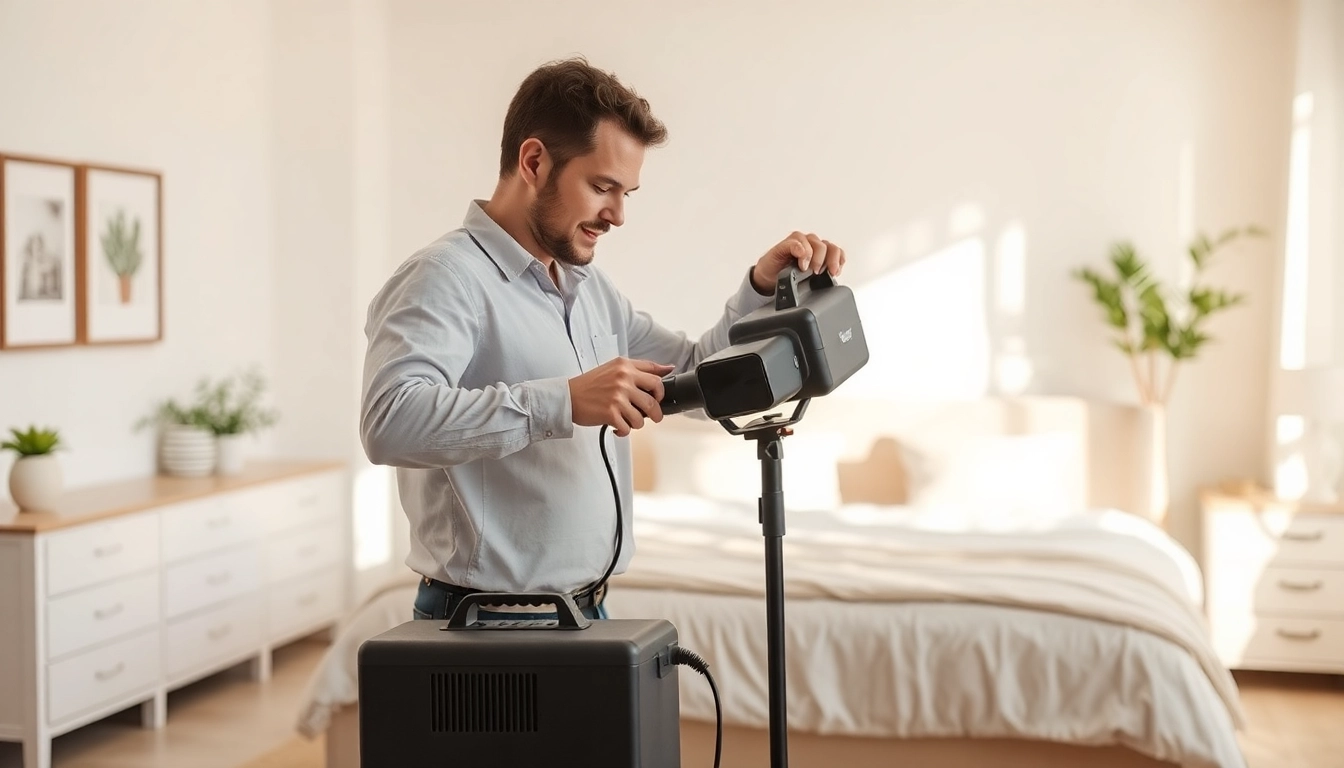
Heat treatments involve raising room temperatures to a level that is lethal to bed bugs. Ideally, temperatures should reach 120°F (49°C) to 140°F (60°C). Methods include:
- Using a steam cleaner on infested areas.
- Placing infested items in a dryer on high heat for 30 minutes.
- Utilizing heat chambers for larger infestations.
It is crucial to ensure that the heat penetrates into the materials where bed bugs may be hiding.
Common DIY Methods: Efficacy and Safety
While numerous DIY solutions exist, not all are effective or safe. Common methods include:
- Using diatomaceous earth, a natural insecticide, which can dehydrate and kill bed bugs upon contact.
- Using alcohol-based sprays; however, these may not ensure complete eradication and can be flammable.
- Using essential oils, while some claim efficacy, their reliability varies and often lacks scientific backing.
It’s important to research and test any DIY solution thoroughly before relying on it.
Professional Bed Bug Removal Services
For severe infestations, professional bed bug removal may be the best option. Experts bring specialized knowledge and tools to effectively handle infestations.
What to Expect from Professional Services
When you hire a pest management professional, expect a comprehensive inspection followed by tailored treatment plans. This process typically includes:
- A detailed assessment of the property to identify infested areas.
- Application of approved extermination methods, such as heat treatments or insecticides.
- Follow-up visits to ensure that bed bugs are gone and provide additional support if needed.
Choosing the Right Exterminator
Finding a reputable exterminator is crucial. Evaluate potential services based on:
- Experience with bed bug control specifically.
- Customer reviews and feedback.
- Methods used and their safety for children and pets.
Moreover, ensure they have proper licenses and insurance.
Benefits of Expert Bed Bug Removal
Engaging a professional ensures a higher chance of total eradication due to their experience and the effectiveness of advanced methods. Benefits include:
- Access to specialized equipment and treatments that are not available to the public.
- A more thorough elimination process, including follow-ups to prevent re-infestation.
- Peace of mind, reducing the stress associated with handling a significant pest issue.
Preventing Future Infestations After Bed Bug Removal
Once bed bugs are eradicated, maintaining a pest-free home is essential. Preventative measures can help safeguard against reinfestation.
Tips for Reducing Risk of Reinfestation
To minimize future risks, consider the following:
- Inspect secondhand furniture and clothing before bringing items into your home.
- Monitor shared laundry areas; use protective bags when transporting your items.
- Seal cracks and crevices in walls and furniture where bed bugs may hide.
Best Practices for Ongoing Bed Bug Prevention
Incorporate the following strategies into your routine:
- Regularly vacuum and wash bedding and linens.
- Cover mattresses and box springs with encasements that block bed bugs.
- Use bed bug interceptors under furniture legs to catch existing bugs and monitor for new activity.
Maintaining a Bed Bug-Free Environment
Consistency is key to keeping your home bed bug-free. Stay vigilant and maintain cleanliness throughout your home. Regularly inspect high-risk areas and stay alert during travel, ensuring to check hotel rooms and luggage.
FAQs about Bed Bug Removal
Is bed bug removal safe for my family and pets?
Yes, safe bed bug removal techniques, such as heat treatments, are effective and non-toxic when handled by professionals.
How long does the bed bug removal process take?
The timeline varies, but thorough bed bug removal typically takes a few hours to a few days, depending on infestation severity.
Can I treat bed bugs on my own?
Yes, but do-it-yourself methods may be less effective than professional treatments. Consulting experts can ensure thorough eradication.
How much does professional bed bug removal cost?
Costs vary based on the infestation level and treatment type, but ranges commonly fall between $200 to $1,500.
What should I do immediately after treatment?
Follow your exterminator’s guidelines, which may include avoiding specific areas or washing bedding at high temperatures.