
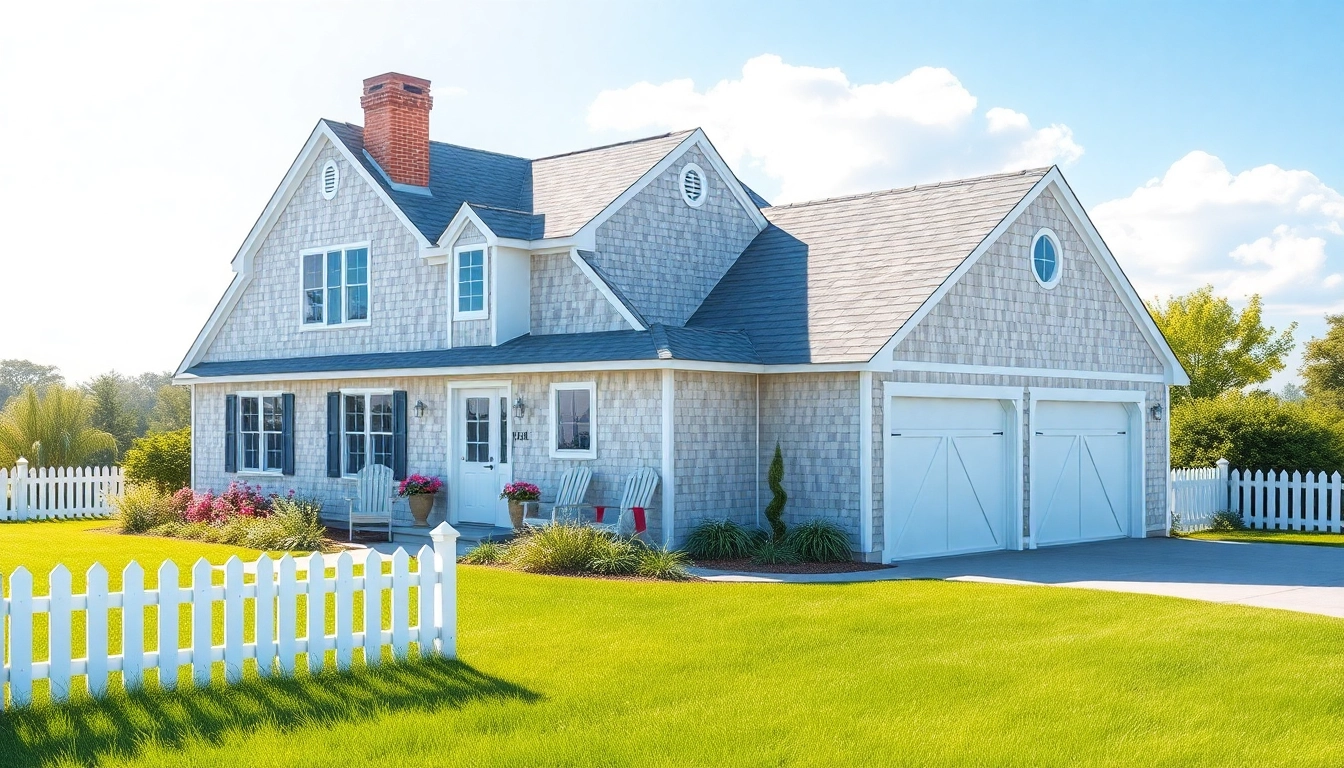
Creating Your Perfect Cape Cod Home: Design Ideas and Essential Features
Understanding the Cape Cod Home Style
History and Origins of Cape Cod Architecture
The cape cod home style finds its roots in the early 17th century, inspired by the dwellings of the English settlers who arrived in New England. Their designs utilized locally available materials and adapted to the region’s climate, leading to a simple yet functional architectural style. The early settlers needed homes that could withstand harsh winters and provided basic needs for their families. Over time, the Cape Cod home evolved, retaining its charm and simplicity while also adapting to modern aesthetics.
Key Characteristics of a Cape Cod Home
One of the most striking features of a Cape Cod home is its symmetrical facade, characterized by steeply pitched roofs and dormer windows that enhance both functionality and aesthetic appeal. Typically one or one-and-a-half stories high, these homes often feature wooden clapboard siding painted in soft, coastal colors. The classic Cape Cod layout includes a central entrance, flanked by evenly spaced windows, which creates a balanced and inviting appearance.
Additional highlights include:
- Low ceilings for warmth and coziness.
- Widespread use of natural light from large windows.
- Functional interiors with an open flow from living areas to kitchen spaces.
Modern Influences on Traditional Designs
While the Cape Cod architectural style is steeped in tradition, modern adaptations have introduced new influences, blending rustic charm with contemporary functionality. Homeowners and architects often experiment with layouts, adding open floor plans and integrating smart home technology. Features like larger windows, eco-friendly materials, and advanced insulation methods are becoming increasingly popular, allowing for a sustainable yet stylish living space.
Designing Your Cape Cod Home Exterior
Choosing the Right Color Palette
The color palette is foundational in establishing the mood and character of a Cape Cod home. Traditionally, soft pastels and muted tones such as seafoam green, pale yellow, and light blue evoke the coastal atmosphere of New England. Many homeowners are leaning towards more modern takes, incorporating deeper colors like slate grays or charcoal alongside white trim that ensures a crisp contrast.
When selecting colors, consider the natural surroundings. Coastal hues can complement beach landscapes, while earthy tones can align with woodsy backdrops, effectively marrying the home to its environment.
Incorporating Landscaping Ideas
Landscaping should enhance the Cape Cod aesthetic while emphasizing the natural beauty of the locality. Native plants, such as beach grass, junipers, and hydrangeas, are excellent choices, as they thrive in coastal conditions. Landscaping should mirror the home’s color scheme, creating harmony between the exterior and the yard.
Consider features like picket fences, pebble pathways, and stone walls that can frame your Cape Cod home beautifully while providing a touch of rustic charm.
Best Practices for Outdoor Spaces
Maximizing outdoor spaces around a Cape Cod home can enrich living experiences. Homeowners might install decks or patios designed for both relaxation and entertaining. Using natural stones and wood ensures that the outdoor areas echo the themes of the home. Additionally, incorporating comfortable seating, outdoor kitchens, and fire pits can create a welcoming space for family gatherings.
Interior Design Elements: Making It Cozy
Open Concept Living Spaces
The traditional layout of a Cape Cod home facilitates an inviting atmosphere, especially with open concept designs that connect the living, dining, and kitchen areas. By minimizing barriers, these layouts promote interaction and a sense of unity within the home. High ceilings, large windows, and minimalist decor can encourage natural light to flow, making spaces appear larger and more inviting.
Designing Functional Kitchens
A modern Cape Cod kitchen marries functionality with style. Embracing a classic yet contemporary design means focusing on both aesthetic appeal and practical use. Features like farmhouse sinks, shaker-style cabinets, and durable countertops made from natural stone can create an efficient workspace while ensuring the kitchen remains the heart of the home.
Consider integrating a large island that can serve as both a cooking and socializing area, with ample seating that encourages family gatherings.
Creating Inviting Bedrooms
Bedrooms in Cape Cod homes are typically designed with comfort as a priority. Soft, neutral coloring combined with cozy textiles such as wool or cotton can create an inviting atmosphere. Space-saving storage solutions, such as built-in dressers and under-bed storage, maintain the room’s serenity without clutter. Large windows can also help to bring in natural light, making spaces feel airy and open.
Permanence and Sustainability in Cape Cod Homes
Materials That Withstand Coastal Weather
Given their coastal settings, Cape Cod homes require materials that can withstand harsh weather conditions, including saltwater and humidity. Traditional cedar shingles and durable vinyl siding are popular choices due to their resistance to rot and easy maintenance. Roofing materials such as asphalt or metal can also offer longevity, providing a protective barrier against the elements.
Green Building Practices
Sustainability is key in modern Cape Cod home designs. Many homeowners are integrating green building practices, such as using recycled materials, installing energy-efficient appliances, and adopting water conservation measures. Solar panels are becoming increasingly common, harnessing the sun’s energy to power home systems effectively.
Energy Efficiency Tips
Enhancing energy efficiency in Cape Cod homes not only lowers utility bills but also contributes to environmental sustainability. Avoiding air leaks through adequate insulation and weather-stripping is crucial. Additionally, utilizing energy-efficient windows and appliances can further optimize energy use, providing long-term savings. Regular maintenance of HVAC systems and ensuring that all fixtures are energy-rated can keep energy consumption in check.
Frequently Asked Questions About Cape Cod Homes
What are the key features of a Cape Cod home?
Key features include steeply pitched roofs, symmetrical facades, dormer windows, and wooden clapboard siding, often in coastal colors.
How can I maintain a Cape Cod home’s exterior?
Regular cleaning, repainting when necessary, and ensuring that all siding and roofing remain intact are essential for exterior maintenance.
What are the best coastal landscaping ideas?
Using native plants such as beach grass and hydrangeas, combined with stone pathways and rustic fencing, effectively enhances coastal landscapes.
Is it possible to modernize a traditional Cape Cod home?
Yes, blending traditional elements with modern designs, such as open layouts and contemporary materials, can refresh the aesthetic while maintaining charm.
What types of materials are best for Cape Cod homes?
Durable materials like cedar shingles, vinyl siding, and metal roofing are ideal for withstanding coastal weather conditions while maintaining beauty.