
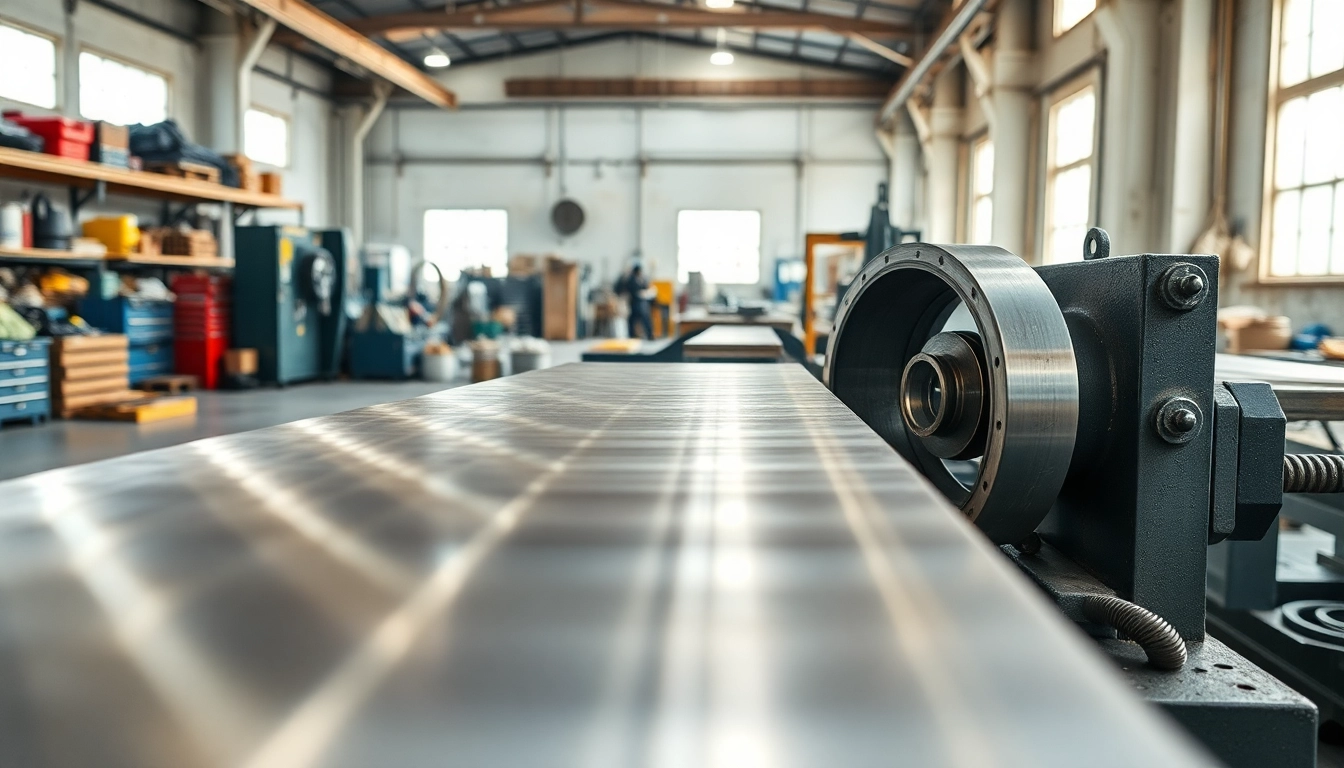
Comprehensive Guide to Plate Rolling: Techniques, Applications, and Best Practices
Understanding Plate Rolling Basics
Plate rolling is a critical process used in various industries to curve and form flat materials into cylindrical shapes. This technique plays a vital role in manufacturing, specifically in creating components for construction and other applications. By understanding the fundamentals of plate rolling, you can appreciate its significance and the intricacies of the equipment involved.
What is Plate Rolling?
Plate rolling is a form of metalworking that involves the bending of metal plates to create shapes such as cylinders, cones, and arcs. The process typically utilizes specialized machines that can handle varying thicknesses and materials. The end products are widely used in sectors such as aerospace, shipbuilding, and infrastructure, demonstrating its versatility and importance.
Main Types of Plate Rolling
There are several key types of plate rolling processes including:
- Three-Roller Rolling: Uses three rolls to guide the plate through bending, ideal for thicker materials.
- Four-Roller Rolling: Provides a more precise form by using four rolls and is typically used for higher precision shapes.
- Hydraulic Plate Rolling: Employs hydraulic power for optimal control, commonly employed in high-volume manufacturing.
Key Components of Plate Rolling Machines
Understanding the components of plate rolling machines is essential for optimizing the rolling process. Key components include:
- Rolls: The cylindrical components that apply pressure and shape the material.
- Control System: Manages the operation of the machine, ensuring precision in the rolling process.
- Bending Arm: Provides the mechanical advantage needed to bend the metal with minimal effort.
Materials Used in Plate Rolling
The choice of materials is pivotal in the plate rolling process as it affects the quality and application of the final product.
Best Materials for Plate Rolling
The most commonly used materials in plate rolling include:
- Carbon Steel: Known for its strength and durability, making it suitable for a wide range of applications.
- Stainless Steel: Offers excellent corrosion resistance, ideal for projects requiring longevity.
- Aluminum: Lightweight with good malleability, making it easy to work with for intricate shapes.
Material Thickness Considerations
Material thickness significantly influences both the design and processing of the plate rolling operation. Generally, the thicker the material, the more powerful the rolling machine required. Understanding the limits of your rolling equipment can help in selecting appropriate materials without exceeding operational capabilities.
Impact of Material Properties on Rolling
The properties of the material, such as tensile strength, ductility, and hardness, greatly affect the plate rolling process. For example, high-strength materials require specific strategies to avoid cracking and ensure uniform bending, often requiring pre-heating or slow rolling techniques.
Techniques and Best Practices
Mastering techniques and maintenance in plate rolling can significantly enhance productivity and product quality.
Step-by-Step Plate Rolling Process
The typical plate rolling process includes the following steps:
- Preparation: Ensure the material is clean and inspect for defects.
- Setup: Adjust the machine settings based on material specifications.
- Rolling: Gradually feed the plate into the rolls, applying appropriate force and monitoring closely.
- Finishing: Inspect the rolled shape for desired dimensions and quality.
Common Challenges and How to Overcome Them
Several challenges can arise during plate rolling, including:
- Material Wrinkling: Can occur if the pressure is not evenly applied. Solution: Adjust roll positions or speeds.
- Centerline Deviation: Often due to improper loading. Solution: Use guiding devices when feeding materials.
- Cracking: High-strength materials may crack if treated improperly. Solution: Pre-heat materials as necessary.
Maintenance Tips for Plate Rolling Equipment
Routine maintenance of plate rolling machines is essential for longevity and peak performance. Key maintenance tips include:
- Regularly Lubricate Moving Parts: Ensure smooth operation and prevent wear and tear.
- Inspect Alignment: Misalignment can lead to uneven rolling. Regular checks can prevent production issues.
- Monitor Electrical and Hydraulic Systems: Faulty systems can cause downtime; routine checks help identify potential failures.
Applications of Plate Rolling in Industries
Plate rolling’s versatility means it finds applications across various sectors, each utilizing its unique capabilities.
Plate Rolling in Construction and Architecture
In the construction industry, plate rolling creates components for structures, including curved beams, tanks, and piping systems. The ability to create custom shapes enhances design flexibility, facilitating innovative architectural designs and applications.
Applications in Aerospace and Automotive
Aerospace and automotive industries rely heavily on rolled plates to manufacture parts such as fuselage components and vehicle frames. The precise dimensions required for these applications place a high demand on the quality and accuracy of the plate rolling process.
Other Industries Benefiting from Plate Rolling
Beyond construction, aerospace, and automotive, plate rolling is essential in shipbuilding, oil and gas, and even wind energy. Each industry benefits from tailored rolling techniques suited to their specifications while showcasing the versatility of plate rolling technology.
Future Trends in Plate Rolling Technology
The field of plate rolling is evolving, driven by technological advancements and the need for sustainability.
Advancements in Automation and Control
The integration of automation technologies is transforming plate rolling processes. Automated controls enable more precise rolling, reduce labor costs, and enhance efficiency through real-time monitoring and adjustments based on material properties.
Eco-Friendly Practices in Plate Rolling
Sustainability is becoming increasingly important, with many companies seeking eco-friendly practices. This includes reducing waste through optimized material usage and implementing energy-efficient processes. Recycling scrap materials is also a growing trend in plate rolling.
The Role of Digitalization in Plate Rolling
Digital technologies, including CAD and simulation software, have revolutionized plate rolling. These tools allow for better design visualization and the ability to forecast potential issues in rolling processes before they arise, ultimately saving time and resources.
FAQs About Plate Rolling
What is plate rolling used for?
Plate rolling is used to create cylindrical shapes from flat metal plates, widely applied in industries like construction, aerospace, and automotive for manufacturing components like tanks, pipes, and frames.
What materials can be rolled?
Common materials for plate rolling include carbon steel, stainless steel, aluminum, and other metals. The choice depends on the application and required properties of the finished product.
How do I prevent material cracking during rolling?
To prevent cracking, ensure proper material selection, adjust rolling speeds, and consider pre-heating materials, especially for high-strength metals that may be prone to stress.
What are the common challenges in plate rolling?
Common challenges include material wrinkling, centerline deviation, and cracking. Solutions involve adjusting roll positions, monitor material loading, and pre-heating when necessary.
How can I maintain plate rolling equipment?
Regular maintenance includes lubricating moving parts, checking alignment, and monitoring electrical and hydraulic systems to prevent failure and ensure optimal operation.