
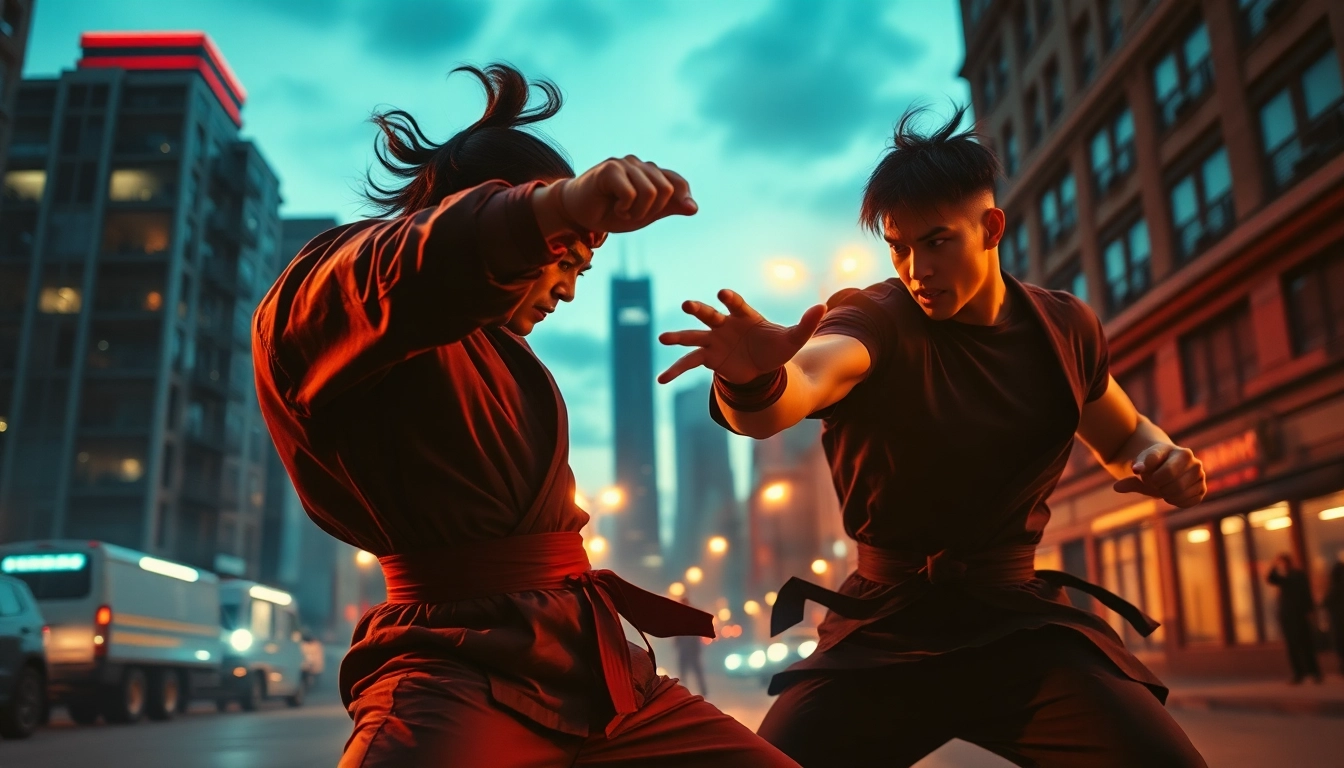
Understanding the Martial Arts Thriller Genre
The realm of martial arts thrillers is a captivating world filled with complex characters, gripping plots, and electrifying action. This genre combines the art of combat with tension-filled narratives that keep audiences on the edge of their seats. But what exactly defines a martial arts thriller? How has it evolved over the years, and what themes resonate throughout this vibrant film genre? In this comprehensive exploration, we dive into the essence of the Martial Arts Thriller, analyzing its characteristics and the impact it has made in the cinematic landscape.
Defining Martial Arts Thriller
A martial arts thriller typically intertwines elements of suspense and physical combat. It revolves around protagonists who are skilled martial artists and often involves themes of revenge, justice, or survival. While some narratives may incorporate supernatural elements or melodrama, the heart of a true martial arts thriller lies in the skillful choreography of fighting scenes and the tension created through storytelling elements.
In contrast to pure martial arts films, which may focus on martial arts as the leading theme, thrillers prioritize plot and emotional stakes. Characters are often faced with moral dilemmas that enhance the tension, making every fight more than just a spectacle—it's a fight for justice, a battle against oppression, or a struggle to survive. This blending of action and suspense creates a unique viewing experience that resonates with audiences seeking both adrenaline and narrative depth.
Key Characteristics of Martial Arts Thriller
- Strong Characters: The protagonists often have compelling backstories and motivations that drive their actions. They can be heroes, anti-heroes, or even reluctant protagonists who are coaxed into action.
- Intricate Plotlines: Beyond the action sequences, these films are marked by complex narratives that often involve twists, betrayals, and resolutions that challenge characters morally and ethically.
- Stunning Choreography: Fight scenes are expertly choreographed, showcasing a variety of martial arts styles. This choreography reverberates with both elegance and ferocity, intensifying the viewing experience.
- Atmospheric Stress: Settings play a crucial role; dark alleyways, sprawling urban landscapes, or ancient temples can serve as backdrops that enhance the tension of a fight.
- Themes of Revenge and Justice: Central to most plots is a quest for revenge or the pursuit of justice, driving characters to their limits—physically and emotionally.
Evolution of Martial Arts Thriller in Cinema
The martial arts thriller genre has undergone a significant transformation since its inception. The roots of martial arts in cinema can be traced back to the early 20th century with films that presented combat as a form of expression. However, it wasn't until the 1970s, with the rise of actors like Bruce Lee, that the genre began to gain mainstream popularity.
Films such as "Enter the Dragon" paved the way for future martial arts thrillers by seamlessly blending fighting choreography with thrilling plotlines. Throughout the 1980s and 1990s, martial arts thrillers began to experiment with special effects and cinematography, leading to visually stunning films that captivated audiences worldwide. Directors from various backgrounds started to merge their cultural influences, enriching the genre with diverse storytelling methods and martial arts styles.
In the 2000s and beyond, the evolution has continued with the incorporation of modern filmmaking techniques, a greater emphasis on character development, and narratives that reflect contemporary societal issues. The advent of streaming services has also allowed for a resurgence of the genre, with martial arts thrillers being produced globally, showcasing unique perspectives and culturally rich stories.
Iconic Themes in Martial Arts Thriller
Heroism and Redemption in Martial Arts Thriller
One of the most pervasive themes in martial arts thrillers is that of heroism and redemption. Characters are often depicted as flawed individuals striving for greatness or redemption following past mistakes. This quest for redemption is depicted through their physical trials and emotional journeys, revealing vulnerabilities that resonate with viewers.
For instance, protagonists may start as avengers or seekers of justice, only to find themselves grappling with the moral implications of their actions. These character arcs are crucial in grounding the fight sequences in a narrative that offers more than just physical confrontations. Instead, audiences witness a transformation that elevates the stakes and adds depth to every encounter.
Conflict and Resolution in Martial Arts Thriller
Conflict is essential in martial arts thrillers, both internal and external. Characters often face adversaries or systemic struggles that sharpen their skills and resolve. The resolution of these conflicts, whether through a climactic battle or a poignant moment of understanding, serves to enlighten the character’s development while providing closure to the audience.
For example, in many martial arts thrillers, former friends or allies turn foes, leading to emotionally charged confrontations that accentuate personal stakes. The resolution of these conflicts can lead to redemption, loss, or a bitter understanding that life is not black and white, thus enriching the narrative.
Historical and Cultural Influences on Martial Arts Thriller
The cultural heritage and historical context play significant roles in shaping martial arts thrillers. Many films draw upon the philosophies and practices of martial arts, incorporating elements from Eastern traditions that emphasize discipline, respect, and the pursuit of inner strength.
Films from various countries imbue their narratives with unique cultural references, formal styles, and historical contexts that lend authenticity to their storytelling. For instance, films based on Japanese samurai traditions often delve into themes of honor and duty, while Chinese martial arts thrillers may highlight spiritual enlightenment and connection to nature.
Notable Films in the Martial Arts Thriller Genre
Classic Martial Arts Thrillers to Watch
There are numerous influential films in the martial arts thriller category that have set benchmarks for the genre. Classic entries include:
- Enter the Dragon (1973): Bruce Lee's seminal work that blended martial arts with espionage and philosophy.
- Kill Bill: Vol. 1 (2003): Quentin Tarantino's stylistic homage to martial arts cinema, combining elements of revenge and striking visuals.
- The Raid: Redemption (2011): A modern interpretation showcasing intense hand-to-hand combat within a high-stakes narrative.
- Crouching Tiger, Hidden Dragon (2000): Combining romance, adventure, and artistry with martial arts choreography, this film received critical acclaim worldwide.
Modern Hits in Martial Arts Thriller
Recent films continue to build upon the genre's legacy, introducing new concepts as well as innovative storytelling techniques. Titles such as:
- John Wick (2014): Featuring inventive fight choreography and a captivating underworld narrative.
- Atomic Blonde (2017): A stark portrayal of espionage coupled with skillfully executed combat sequences.
- Fistful of Vengeance (2022): A recent film that highlights the merging of different cultures in martial arts narrative.
International Contributions to Martial Arts Thriller
The martial arts thriller genre transcends borders, with countries like South Korea, Thailand, and Japan contributing significantly to its evolution. Films like "Oldboy" and "Ong-Bak" exemplify unique cultural perspectives and exceptional martial arts styles. Each film not only entertains but also educates audiences on various cultural narratives and fight techniques, broadening the genre's acclamation and appreciation.
Martial Arts Techniques and Their Role in Thrillers
Popular Martial Arts Styles in Films
A myriad of martial arts styles is showcased within the thriller genre, each lending its distinct flavor to the action. Various styles like Kung Fu, Muay Thai, Brazilian Jiu-Jitsu, and Karate not only define the fighting techniques but also influence the ideological underpinning of the characters portrayed.
For example, traditional Kung Fu sequences demonstrate fluidity and grace, while Muay Thai emphasizes powerful, aggressive strikes. The choice of martial arts can deepen character development, reflecting their backgrounds and philosophies effectively.
Choreography and Cinematography in Martial Arts Thriller
The art of choreography is central to a martial arts thriller's success. Choreographers must not only design elaborate fight scenes but also ensure they are integrated seamlessly into the narrative. The relationship between action and storytelling is vital so that each fight sequence moves the plot forward rather than merely serving as an interlude.
Cinematography plays a critical role in the delivery of these intricate sequences. The use of camera angles, slow-motion shots, and cutting patterns can heighten tension and reveal the artistry of martial arts. Directors employ innovative techniques to make each fight scene an unforgettable spectacle, visually narrating the stakes involved.
Impact of Realism in Fight Scenes of Martial Arts Thriller
Realism is an essential factor in crafting compelling fight scenes. While choreography can be stylized, grounding it in reality ensures audiences remain invested in the character's journeys. This realism can be achieved through detailed choreography, casting martial arts professionals, and incorporating accurate combat techniques that resonate with trained practitioners.
Furthermore, the psychological implications of combat—fear, adrenaline, and strategy—must be conveyed. The balance between fantasy and realism can create a more impactful viewing experience, allowing audiences to connect deeply with the narrative.
The Future of Martial Arts Thriller
Current Trends and Innovations in Martial Arts Thriller
The future of martial arts thrillers looks promising, with emerging trends that push cinematic boundaries. As technology evolves, innovations such as virtual realities can potentially redefine how audiences engage with martial arts narratives. Collaborations across global filmmakers are set to introduce diverse storytelling approaches and unique visual styles that reflect a plethora of cultures.
Moreover, the rise of female protagonists in the genre indicates a significant shift. Films such as "Mad Max: Fury Road" and "Kill Bill" have showcased women as formidable martial artists, challenging traditional gender roles within the genre. This trend presents opportunities for more nuanced storytelling that explores themes of identity and cultural significance with fresh perspectives.
Audience Expectations and Genre Evolution
As audiences become more discerning, the demand for authentic narratives and complex characters continues to rise. Viewers now expect thrilling visuals, but they also seek emotional depth and relatable story arcs. This evolution has compelled filmmakers to craft narratives that balance action with character development, leading to richer complexities within plots.
Furthermore, international audiences are recognizing martial arts thrillers, leading to cross-cultural collaborations that provide richer narratives. This demand contributes to the expansion and elevation of the genre globally, with filmmakers keen to embrace cultural diversity in storytelling.
The Role of Streaming Platforms in Martial Arts Thriller's Popularity
With the rise of streaming platforms, martial arts thrillers have reached wider audiences. Viewers can now access a plethora of films from different cultures, allowing them to appreciate varying styles and narratives without traditional barriers. This access has facilitated a renaissance of the genre, sparking interest in formerly undiscovered films.
Additionally, streaming platforms produce exclusive content, contributing to the genre’s growth and innovation as original productions emerge. This shift enables filmmakers to experiment with storylines and styles without the constraints posed by traditional cinema release formats.
Conclusion
The martial arts thriller genre is a dynamic landscape that combines suspense, action, and complex storytelling. Its evolution reflects cultural shifts, audience expectations, and technological advancements that continue to shape how stories are told on screen. As we look to the future, the genre promises to adapt and thrive, appealing to an ever-expanding global audience eager for thrilling narratives. By embracing both traditional and contemporary elements, martial arts thrillers will undoubtedly remain a captivating reflection of our collective martial arts passions.