Introduction to Wildfire Events
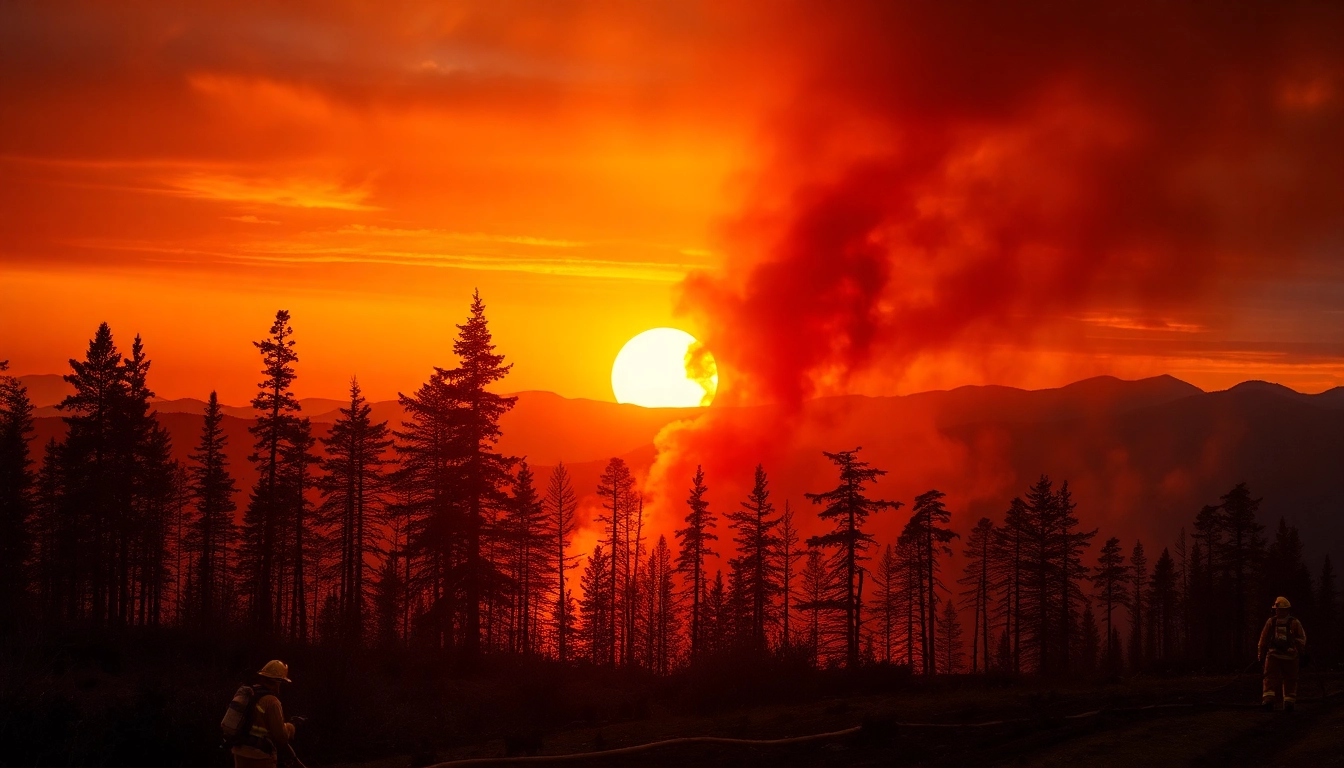
Wildfires are uncontrolled fires that can ravage landscapes, ecosystems, and communities.
These events not only have devastating effects on the environment but also significantly impact human health and socio-economic conditions. Understanding Wildfire events is essential for effective prevention, management, and response strategies.
What Are Wildfire Events?
Wildfire events refer to uncontrolled fires that occur in forests, grasslands, or other undeveloped areas. These fires can happen due to various natural and human-induced factors and can lead to catastrophic outcomes if not managed effectively.
Characterized by their rapid spread and intense heat, wildfire events can cause severe damage to both the ecological systems and communities residing nearby. They significantly alter landscapes and can even reshape ecosystems over time.
The Importance of Wildfire Events in Ecosystems
While they pose serious threats, wildfire events also play a critical role in maintaining ecological balance. Many ecosystems are dependent on periodic fires for regeneration. For instance, certain species of trees, such as lodgepole pines, require fire to release seeds and encourage new growth.
Through this natural process, wildfires can help to clear dead vegetation, improve soil fertility, and promote biodiversity by facilitating growth among understory plants. However, when these fires become too frequent or intense due to human activities and climate change, the ecological consequences can be detrimental.
Statistics on Recent Wildfire Events
The frequency and severity of wildfire events have escalated in recent years. For example, recent data indicates that over a million acres have burned in a single wildfire season in some regions, exacerbated by climate factors like rising temperatures and prolonged droughts. Understanding these statistics helps in the planning and response efforts to mitigate the impact of wildfires.
Causes of Wildfire Events
Natural Causes of Wildfire Events
Wildfires can be sparked by natural phenomena, most notably lightning strikes. When lightning strikes dry vegetation, it can ignite and expand rapidly, particularly in hot, dry conditions. Other natural causes include volcanic eruptions and spontaneous combustion of dry organic material.
Natural wildfires are generally a part of ecological cycles, contributing to the regeneration of certain habitats and stimulating plant diversity.
Human-Induced Wildfire Events
A significant proportion of wildfires are attributed to human activities. Common causes include campfires left unattended, discarded cigarettes, and arson. Moreover, agricultural practices, such as prescribed burns that get out of control, may also result in unintended wildfires.
In regions where human activity is high, the frequency of ignitions tends to increase, leading to more challenging firefighting efforts.
The Role of Climate Change in Wildfire Events
Climate change has substantially influenced wildfire dynamics across the globe. Higher temperatures, altered precipitation patterns, and increased drought conditions create an environment ripe for wildfires. Regions that are already susceptible are witnessing an unprecedented escalation in fire frequency and intensity.
The implications of climate change on wildfire events are profound, leading not only to more frequent fires but also creating longer fire seasons and extended periods of dry weather, exacerbating the threat of wildfires.
Impact of Wildfire Events
Environmental Impact of Wildfire Events
The ecological impact of wildfire events is complex and multifaceted. On one hand, they can rejuvenate ecosystems by clearing out dense vegetation and providing a nutrient boost to the soil. On the other hand, large-scale and frequent wildfires can lead to long-term degradation of habitats, loss of biodiversity, and soil erosion.
Moreover, ash from burned vegetation can pollute waterways, contributing to the degradation of aquatic ecosystems.
Health Risks Associated with Wildfire Events
Wildfire events pose significant health risks to nearby communities and populations. The smoke produced can lead to respiratory problems and exacerbate chronic conditions such as asthma and cardiovascular diseases. Vulnerable populations, including children, the elderly, and those with preexisting health conditions, face the highest risks.
Beyond physical health, the psychological impact of experiencing a wildfire can lead to long-lasting mental health issues, including anxiety and post-traumatic stress disorder.
Socioeconomic Consequences of Wildfire Events
Wildfires also have profound socioeconomic implications. Communities affected by wildfires often face economic declines due to property loss, business interruptions, and the costs associated with recovery and rehabilitation efforts.
Insurance claims can overwhelm providers, and in certain areas, land value may decrease, which could have a lasting effect on local economies. Additionally, the costs of firefighting resources strain governmental budgets and can impede funding for other essential services.
Preparation and Response to Wildfire Events
Effective Strategies for Wildfire Events Preparedness
Community preparation is critical to mitigating the impact of wildfire events. Effective strategies include establishing defensible zones around properties, utilizing fire-resistant landscaping, and creating emergency response plans. These proactive measures can greatly reduce vulnerability and enhance community resilience against wildfires.
Moreover, local governments can play a vital role in enforcing building codes that require fire-resistant materials and ensuring that evacuation routes are well marked and accessible.
Firefighter Tactics During Wildfire Events
Firefighting strategies are continuously evolving in response to the complex nature of wildfire events. Tactics may include direct suppression methods, such as creating firebreaks and using controlled burns, or indirect methods that utilize aerial support to drop water or fire retardants.
Firefighters must also consider the weather, terrain, and potential for fire spread when developing their action plans. Continuous training and adaptation to new technology and research are essential for effective firefighting efforts.
Community Involvement in Wildfire Events Response
Community involvement is indispensable for an effective response to wildfire events. Volunteer fire teams, local organizations, and residents play critical roles in responding to emergencies and assisting in recovery efforts.
Educational initiatives that teach communities about wildfire risks and response protocols can significantly enhance readiness and resilience. Furthermore, establishing communication networks among residents can facilitate quicker and more efficient emergency responses.
Future Outlook for Wildfire Events
Innovative Approaches to Managing Wildfire Events
The future of wildfire management looks towards innovative technologies and practices that can bolster preventative measures and response capabilities. Drones equipped with thermal imaging can scout wildfires, while artificial intelligence is being developed to predict fire behavior more accurately.
Additionally, community-led initiatives and partnerships between governments and organizations can foster a proactive approach to wildfire management.
Research and Development in Wildfire Events Prevention
Investments in research focused on wildfire prevention have gained momentum. Studies are exploring the efficacy of prescribed burns and fuel reduction strategies, which can minimize wildfires' intensity and frequency.
Collaboration among scientists, policy makers, and communities is crucial to identifying effective solutions and implementing best practices for wildfire management.
Global Perspectives on Wildfire Events and Collaboration
Wildfire events are a global concern that necessitates international collaboration. Countries impacted by wildfires can share knowledge, strategies, and technological advancements to enhance global wildfire prevention and response efforts.
Conferences and agreements focusing on climate action can play a pivotal role in shaping policies that mitigate future wildfire events — proving that wildfire management is not just a local challenge but a global imperative.
Frequently Asked Questions about Wildfire Events
What is the most famous wildfire in history?
The Peshtigo Fire is considered the deadliest in history, occurring in 1871 and resulting in massive destruction, yet is less known compared to others due to its timing with the Great Chicago Fire.
What is a wildfire event?
A wildfire event is any uncontrolled fire that occurs in natural areas, requiring firefighting resources. These can ignite from natural sources like lightning or human activities.
How do climate changes affect wildfires?
Climate change leads to hotter temperatures and drier conditions, increasing the frequency and intensity of wildfires. It creates a longer fire season and heightens the risks for affected regions.
What can communities do to prepare for wildfires?
Communities can create defensible spaces, educate residents about risks, develop emergency plans, and participate in prescribed burns to manage vegetation and reduce fuel loads.
How do firefighters combat wildfire events?
Firefighters utilize tactics such as direct suppression methods, creating firebreaks, aerial support, and community coordination. Strategies depend on fire behavior and regional resources.