Understanding the Role of a CRM for WhatsApp
In an increasingly digital world, businesses need to adapt to changing customer expectations. One of the most significant tools at their disposal is customer relationship management (CRM) systems. But what happens when you combine the capabilities of a CRM with a ubiquitous messaging platform like WhatsApp? This leads us to the fundamental question: What is a CRM for WhatsApp? To comprehensively answer this, we’ll explore the essential components, benefits, integration processes, challenges, and metrics associated with utilizing a CRM specifically tailored for WhatsApp interactions.
Definition and Overview of CRM Systems
A CRM system is a technology used to manage a company's relationships and interactions with potential customers and clients. By utilizing data analysis about customers' history with a company, CRMs can improve business relationships, streamline processes, and increase profitability. A typical CRM is designed to compile and manage customer information, assisting businesses in improving customer service relationships, retaining customers, and driving sales growth.
Key Features of WhatsApp CRM
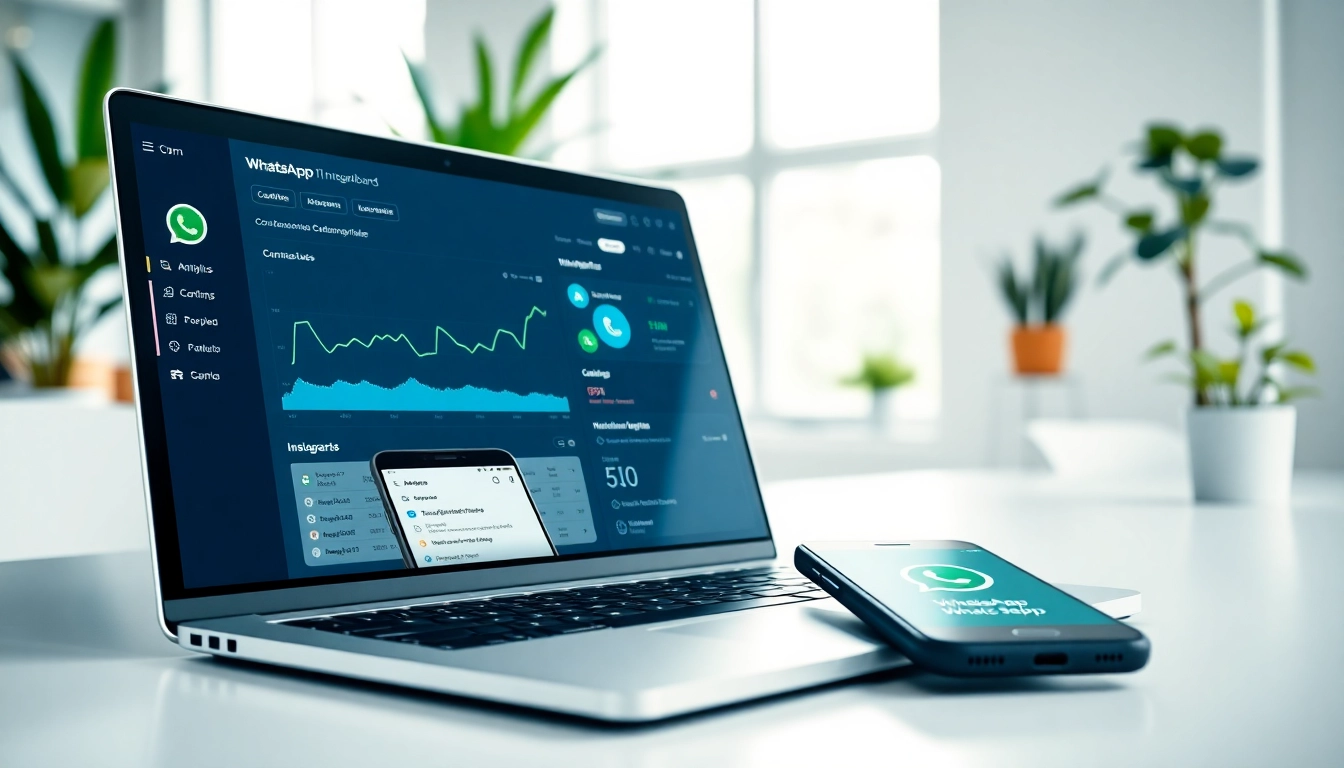
The integration of WhatsApp into CRM systems introduces several unique features:
- Seamless Communication: This allows businesses to communicate directly with customers via WhatsApp, one of the most popular messaging platforms.
- Centralized Information: All conversations and customer data are stored in one place, making it easier for teams to track and manage interactions.
- Automated Responses: CRMs for WhatsApp can automate responses to common inquiries, ensuring that customers receive timely assistance.
- Data Analytics: Track engagement metrics and customer behaviors to optimize communications and improve service quality.
Importance in Today's Business Environment
In today's fast-paced business environment, customers expect quick and efficient responses. A CRM integrated with WhatsApp helps businesses meet these expectations by allowing them to communicate in real-time. This integration not only improves customer satisfaction but also boosts employee efficiency by providing them with all the tools needed to serve customers effectively in one central location.
Benefits of Using a CRM for WhatsApp
Enhancing Customer Communication
The primary advantage of using a CRM for WhatsApp is enhancing customer communication. Directing conversations through a widely used app means customers can reach out anytime, resulting in more spontaneous interactions. This improved line of communication fosters a closer relationship between businesses and customers, leading to increased trust and loyalty.
Streamlining Workflow and Efficiency
Moreover, integrating WhatsApp with existing CRM systems streamlines workflows. Customer service teams can handle inquiries more efficiently when they have access to a history of interactions within the CRM. This integration ensures that employees do not have to toggle between different applications to find relevant information, greatly reducing response times and enabling employees to focus on delivering quality service.
Improving Customer Insights and Data Management
Using a CRM for WhatsApp also enhances customer insights through data collection. With every interaction, businesses can gather valuable information regarding customer preferences and behaviors. This data can inform marketing strategies, allowing companies to tailor services to meet the specific needs of their customers.
Integrating CRM with WhatsApp
Integration Process Overview
The integration process for a CRM and WhatsApp typically follows a standard methodology. First, companies decide on their preferred CRM software, selecting one that supports integrations with WhatsApp. Following this, the integration is established usually by utilizing the WhatsApp Business API, which allows for direct communication between the CRM and WhatsApp application.
Best Practices for Integration
To maximize the effectiveness of integration, here are some best practices:
- Choose the Right CRM: Ensure the CRM can handle WhatsApp's unique features and that it is scalable for future needs.
- Focus on Data Security: Implement security measures to protect customer data during the integration process.
- Train Personnel: Provide comprehensive training for staff on how to utilize both the CRM and WhatsApp in tandem effectively.
Technical Requirements to Consider
Several technical aspects need to be addressed during the integration, including ensuring the CRM can support API calls, maintaining privacy compliance, and ensuring that the infrastructure can handle increased communications without lag or downtime. A comprehensive technical assessment should precede integration to identify any potential pitfalls that might obstruct effective communication.
Challenges in Implementing a CRM for WhatsApp
Common Implementation Roadblocks
Implementing a CRM designed for WhatsApp can encounter several challenges. These may include resistance to change within the organization, a lack of technical prowess among employees, and initial setup costs. Companies must develop an implementation strategy that takes these challenges into account, promoting clear communication and support throughout the process.
Data Privacy and Security Concerns
Data privacy and security emerge as significant concerns in integrating WhatsApp into CRM systems. Ensuring customer data is not mismanaged or exposed through a communication platform is paramount. Businesses must comply with regulations, such as GDPR, and establish protocols to maintain customer information securely.
Training and Adoption Strategies
The success of a CRM for WhatsApp heavily relies on employee adoption. Therefore, providing thorough training sessions and ongoing support is essential. Encouraging team members to share feedback on the system and incorporating improvements based on this feedback can also foster greater acceptance and improve overall performance.
Measuring Success with a CRM for WhatsApp
Key Performance Metrics to Track
To evaluate the effectiveness of a CRM for WhatsApp, businesses should track several key performance indicators (KPIs):
- Response Times: Measure average response times for customer queries.
- Customer Satisfaction Scores: Regular surveys post-interaction can gauge customer satisfaction.
- Conversion Rates: Understanding how many inquiries result in sales can indicate the effectiveness of communications.
Long-term Benefits and ROI Measurements
Businesses should also measure the long-term benefits beyond immediate sales. These may include reduced churn rates, improved customer loyalty, and increased efficiencies that enable staff to handle more inquiries due to streamlined processes. Evaluating the return on investment (ROI) can be done through analyzing savings in time and increased revenue over time against the ongoing costs of maintaining the system.
Case Studies of Successful Implementation
Real-world case studies can provide valuable insights into how other businesses have successfully integrated CRMs with WhatsApp. These success stories typically highlight increased customer satisfaction, enhanced operational efficiencies, and revenue growth stemming from more effective customer communications. By learning from such examples, businesses can better understand best practices and devise their strategies for integration.