Introduction to HEPA Filters
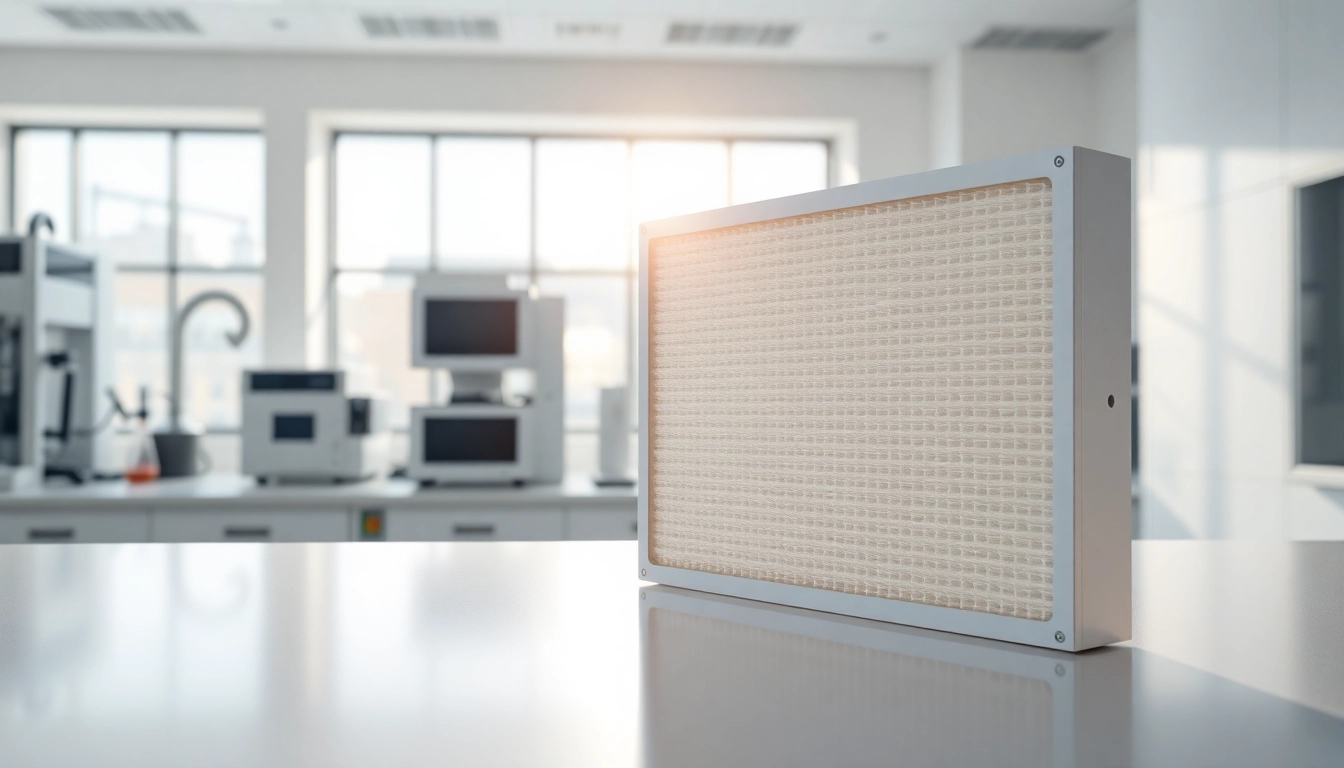
High-Efficiency Particulate Air (HEPA) filters have become indispensable in modern air purification and filtration systems. Designed to trap a plethora of airborne particles, these filters play a crucial role in various settings, from homes to industrial environments. With growing awareness about air quality and its impact on health, many are turning to hepa filters as a proactive measure to ensure cleaner living spaces. But what exactly constitutes a HEPA filter, how does it work, and why is it so significant in our daily lives? This article delves into the mechanics, benefits, selection criteria, maintenance, and advancements in HEPA filter technology.
What is a HEPA Filter?
A HEPA filter is a type of air filter that meets specific standards for filtering out particulates from the air. To qualify as a true HEPA filter, it must capture at least 99.97% of particles with a size of 0.3 microns (µm) in diameter. This includes common allergens such as pollen, dust mites, pet dander, and even certain bacteria and viruses. The efficiency of HEPA filters makes them a preferred choice in both residential and commercial applications requiring high air quality.
How HEPA Filters Work
The operation of a HEPA filter is based on three primary mechanisms: diffusion, interception, and impaction. Diffusion occurs when smaller particles move erratically due to collisions with gas molecules, making them easier to trap within the filter media. Interception happens when particles follow the air stream and come into contact with fibers, sticking to them. Impaction occurs with larger particles that cannot follow the airstream's curves, resulting in them colliding directly with the filter fibers and being captured. This multi-faceted approach to particulate capture contributes to the high efficiency of HEPA filters in improving air quality.
Common Uses of HEPA Filters
HEPA filters are found in various applications. In residential environments, they are commonly used in air purifiers, vacuum cleaners, and HVAC (Heating, Ventilation, and Air Conditioning) systems. They are also crucial in hospitals and laboratories, where maintaining sterile environments is vital. Industries dealing with sensitive materials, such as pharmaceuticals and electronics, use HEPA filters to prevent contamination. Other applications include automotive air systems and commercial building ventilation.
Benefits of Using HEPA Filters
Enhanced Air Quality
One of the most significant benefits of HEPA filters is their ability to improve indoor air quality. By effectively removing dust, pollen, mold spores, and other harmful particles from the air, HEPA filters can help create a cleaner and more comfortable living environment. This especially benefits individuals living in urban areas, where outdoor air pollution can seep indoors.
Reduction of Allergens
HEPA filters play a pivotal role in reducing allergens in the home. Allergens such as pet dander, mold spores, and dust mites are common triggers for asthma and allergies. Using HEPA filters in conjunction with regular cleaning can significantly lower the concentrations of these allergens, providing relief to those suffering from respiratory conditions and allergies.
Health Implications of Clean Air
Clean air is essential for good health. Prolonged exposure to air pollution can lead to various health issues, including respiratory diseases, cardiovascular problems, and decreased cognitive function. By filtering out harmful particles, HEPA filters contribute to a healthier indoor environment, which is particularly important for vulnerable populations such as children, the elderly, and individuals with preexisting health conditions.
Selecting the Right HEPA Filter
Types of HEPA Filters
HEPA filters come in various types to suit different needs. The most common types include true HEPA filters, which meet the stringent standards set by the Department of Energy. There's also HEPA-type filters that may not meet these standards but still provide considerable filtration. Additionally, some filters integrate activated carbon layers to help remove odors along with particulates. Understanding the difference among these types is essential for selecting the filter that aligns with your specific air quality requirements.
Key Features to Look For
When shopping for HEPA filters, it's essential to consider several key features. Look for filters with high particle capture efficiency ratings, durability (the material's lifespan), and compatibility with your existing systems. Check for certifications and compliance with quality standards, as these can indicate the effectiveness of the filtration system. Furthermore, filter size and ease of installation are factors that can significantly impact the user experience.
Comparing Filter Efficiency Ratings
Filter efficiency ratings, such as the Minimum Efficiency Reporting Value (MERV) rating, can help you compare HEPA filters. MERV ratings range from 1 to 16, with higher ratings indicating better filtration capabilities. For residential use, a HEPA filter typically has a MERV rating of 13 or higher. Be sure to review these ratings carefully to choose the right filter for your air quality needs.
Maintenance and Care for HEPA Filters
Cleaning vs. Replacement
Understanding the maintenance needs of HEPA filters is crucial for ensuring their efficiency. While some filters can be cleaned and reused, such as synthetic filters, most HEPA filters should be replaced regularly to maintain optimal performance. Generally, it's recommended to replace HEPA filters every 6 to 12 months, depending on usage and environment conditions.
Signs Your HEPA Filter Needs Attention
Recognizing when a HEPA filter needs maintenance is essential for sustained air quality. Common signs include decreased air flow from your air purifying system, an unpleasant odor emanating from the device, or an increase in allergy symptoms when the filter is due for a change. Keeping an eye out for these signs can help ensure the filter is operating at peak effectiveness.
Best Practices for Longevity
To prolong the life of your HEPA filter, consider implementing some best practices. Regularly checking your filter for dirt or damage is essential. Additionally, changing or cleaning pre-filters, if available, and maintaining balanced humidity levels can enhance the lifespan of the HEPA filter. Lastly, positioned air purifiers in optimal locations to ensure the filters can effectively circulate air throughout your space.
Future Developments in HEPA Filter Technology
Innovations in Filter Design
As the demand for clean air technology continues to grow, innovations in HEPA filter design are emerging. Manufacturers are developing filters that not only capture smaller particles but also improve airflow and decrease energy consumption. Some designs are leveraging nanofiber technology, providing higher filtration efficiency in a slimmer profile. This innovation facilitates the creation of compact and powerful air purification systems.
Integration with Smart Home Systems
In the era of home automation, HEPA filters are starting to integrate with smart home systems more seamlessly. Features such as automated filter monitoring and air quality sensors are becoming increasingly common, allowing homeowners to remain informed about their air quality and filter status in real-time. This advancement ensures optimal air quality management without demanding constant manual checks.
The Role of HEPA Filters in Sustainability
HEPA filters are also evolving to play a significant role in sustainability initiatives. Many manufacturers are focusing on creating filters made from renewable or recyclable materials. Additionally, advancements in filter longevity reduce waste, as longer-lasting filters mean fewer replacements and less environmental impact. The integration of HEPA filters within broader sustainability practices underscores their importance beyond just personal well-being.