
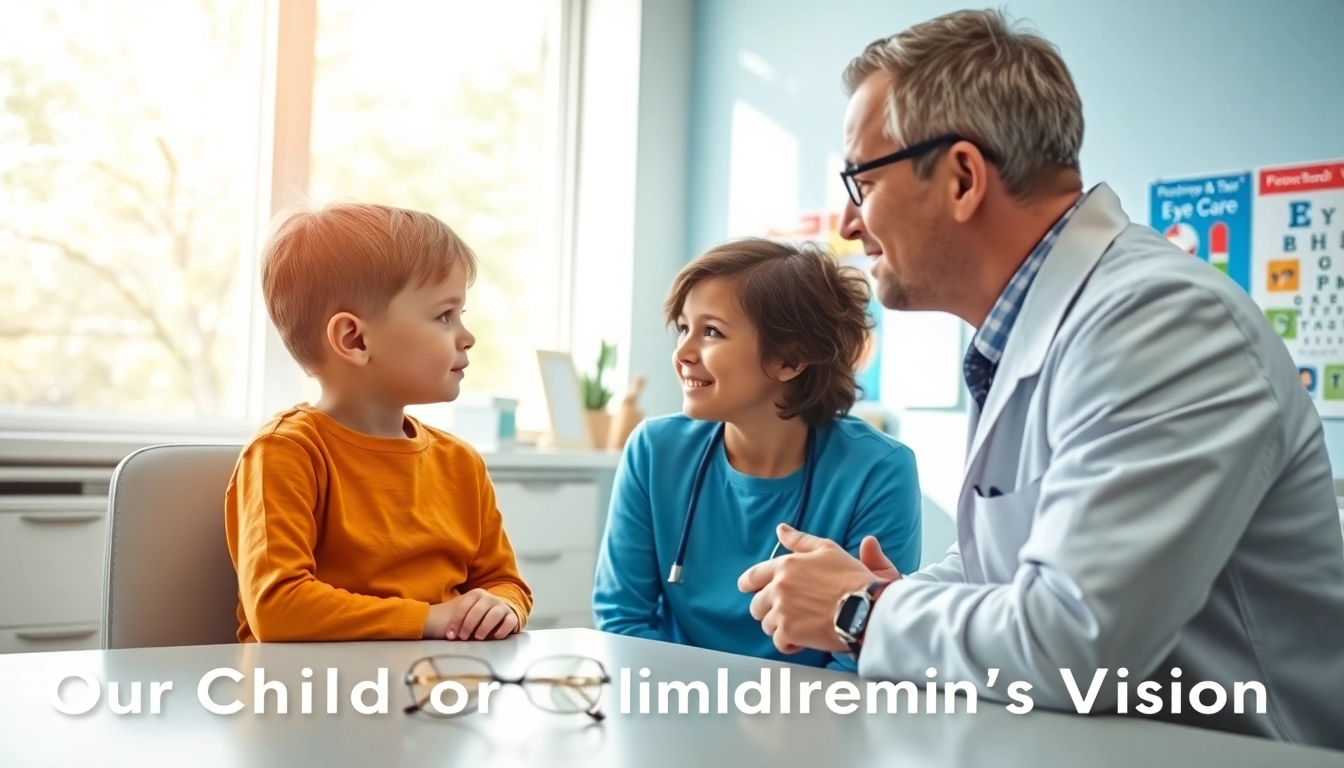
Introduction to Our Children's Vision
Ensuring the eye health of children is critical not only for their academic success but also for their overall well-being and development. Our Children's Vision aims to tackle the pressing issue of children's eye health globally. This initiative serves as a call to action, bringing together various stakeholders to create and sustain effective strategies for pediatric eye care. Understanding the importance of child eye health, the challenges in accessing care, and the overarching goals of various initiatives can significantly impact the future of our children.
The Importance of Child Eye Health
Eye health is a fundamental aspect of a child's development. Vision impairments can have a cascade of negative impacts on a child's quality of life, self-esteem, and academic performance. Undiagnosed vision problems may lead to difficulties in learning, lower educational attainment, and even mental health issues as children struggle to cope with their limitations.
Research has shown that about 1 in 4 school-aged children has a vision problem that could impact their ability to learn effectively. Early detection and intervention are paramount. Proper eye care can help children develop the visual skills necessary for reading, studying, and even socializing—critical aspects of their formative years.
Current Challenges in Accessing Eye Care
Despite the importance of eye health, significant barriers prevent many children from receiving necessary ocular care. These barriers include:
- Financial Constraints: Lack of insurance or high out-of-pocket costs for eye exams and eyewear can prevent families from seeking care.
- Geographic Limitations: Many rural or underserved urban areas lack adequate eye care facilities, making it difficult for families to access services.
- Awareness and Education: Some parents may not recognize the signs of vision problems or may underestimate the importance of regular eye exams.
- Cultural Factors: Stigma or misconceptions about vision health can prevent families from pursuing necessary treatments.
Addressing these challenges is essential for initiatives aiming to enhance children's eye health on a broader scale.
Goals of Our Children's Vision Initiatives
The primary goal of the Our Children's Vision initiative is to foster collaborative efforts that enhance eye care accessibility and quality. To achieve this, several strategies are implemented:
- Partnerships: Collaborating with governments, NGOs, and private organizations to create comprehensive eye health programs.
- Awareness Campaigns: Educating parents and communities about the importance of eye exams, prevention, and early intervention.
- Establishing Screening Programs: Encouraging schools to incorporate routine vision screenings to catch problems early.
- Research and Data Collection: Gathering data to support evidence-based strategies and policies aimed at promoting eye health.
Common Vision Problems in Children
Understanding common vision problems that affect children is crucial for parents, educators, and healthcare professionals. Let's explore some prevalent issues.
Myopia: Causes and Effects
Myopia, or nearsightedness, is one of the most common vision problems affecting children today. It occurs when light entering the eye focuses in front of the retina, making distant objects appear blurry.
Several factors can contribute to myopia, including:
- Genetic Predisposition: A family history of myopia increases the likelihood of a child developing the condition.
- Environmental Factors: Increased screen time, reduced outdoor activity, and prolonged near work may also elevate the risk.
Untreated myopia can lead to academic challenges and affect a child's overall development. Research indicates that myopia rates continue to rise, making early intervention essential in managing this condition.
Amblyopia: Early Detection and Treatment
Amblyopia, often called "lazy eye," is a condition in which one eye is weaker than the other and does not develop proper vision. It is primarily caused by a mismatch in the visual input received from each eye. If left untreated, amblyopia can lead to permanent vision loss in the affected eye.
Early detection is vital for effective treatment. Common signs include:
- Eyes that do not align properly.
- Difficulty judging distances.
- Excessive squinting or tilting the head.
Treatment options vary and may include corrective eyewear, eye patches, or vision therapy to strengthen the weaker eye. Ensuring that children receive eye exams during critical developmental periods is essential for catching amblyopia early.
How Nutrition Affects Vision Health
The link between nutrition and eye health cannot be overstated. Essential vitamins and minerals play a critical role in the overall health of the eyes. Children require a balanced diet rich in:
- Vitamin A: Found in carrots, sweet potatoes, and leafy greens, vitamin A is crucial for maintaining good vision.
- Vitamin C: Abundant in fruits and vegetables, it helps prevent cataracts and age-related macular degeneration.
- Omega-3 Fatty Acids: Sources such as fish can help reduce the risk of dry eyes and other conditions.
- Zinc: Found in nuts and seeds, zinc can aid in the prevention of night blindness and other vision-related issues.
Encouraging healthy eating habits early can establish a foundation for better vision in the years to come.
Screening and Preventative Measures for Our Children's Vision
Screens and preventative strategies are integral to avoid vision problems in children. Understanding effective screening methods and the parental role in eye care is crucial for implementation.
Effective Vision Screening Methods
Vision screening is a simple and effective way to identify children at risk for vision problems. The following methods are widely used:
- Visual Acuity Tests: Measuring how well a child can see at various distances, often using charts during routine check-ups.
- Cover Tests: Assessing how the eyes work together by covering one eye at a time.
- Refraction Tests: Evaluating how light is bent as it enters the eye to determine whether prescription lenses are needed.
These screenings can catch issues early and facilitate timely interventions, ensuring children have access to the vision care they need.
Parental Role in Regular Eye Check-ups
Parents play a vital role in maintaining their children's eye health. Regular check-ups should become routine to monitor eye development. Here are ways parents can support eye health:
- Scheduling Regular Eye Exams: Ensuring children have their first eye exam within the first year of life or whenever a problem is suspected.
- Monitoring Visual Behavior: Keeping an eye out for signs of vision problems, such as difficulty reading the board, squinting, or frequent eye rubbing.
- Educating Children: Instilling the importance of eye care and healthy habits from a young age.
By actively engaging in their child's eye care, parents can significantly improve early detection and treatment outcomes.
Integrating Eye Care into School Programs
Schools serve as critical environments for promoting children's health, including vision care. Integrating comprehensive eye care programs in schools can drastically improve access to care. Successful strategies include:
- Vision Screening Programs: Collaborating with local eye care professionals to conduct periodic screenings at schools.
- Parental Engagement Initiatives: Hosting workshops or information sessions to educate parents about the importance of eye health.
- Curricular Integration: Teaching students about eye health as part of health education classes.
Schools can act as the frontline in protecting students' vision and can make eye health a priority.
Innovative Approaches to Eye Health Initiatives
In an ever-evolving world, innovative methods can enhance our initiatives aimed at improving children's eye health.
Global Partnerships and Collaborations
A collaborative approach boosts the effectiveness of programs targeting children's eye health. Establishing partnerships with various stakeholders—governments, NGOs, and community organizations—can lead to:
- Resource Sharing: Collaborating allows for the pooling of resources, including funding, materials, and manpower.
- Broader Reach: Partnerships enable initiatives to expand their outreach to underserved populations.
- Unified Goals: Working together helps align strategies and goals to create comprehensive solutions for eye health challenges.
Collaborative efforts are crucial for overarching success in enhancing the landscape of pediatric eye health.
Utilizing Technology for Eye Care Accessibility
Technology is rapidly transforming healthcare, and eye care is no exception. Various technological innovations can enhance access and improve eye health services, including:
- Telemedicine: Tele-optometry allows patients, especially in remote areas, to receive consultations and care without traveling long distances.
- Mobile Applications: Eye health apps can help track symptoms, facilitate appointment scheduling, and provide educational resources.
- Screening Devices: Portable vision screening devices can be used at schools and community centers to facilitate early detection.
By leveraging technology, we can make eye care more accessible to children across diverse geographies.
Raising Awareness through Community Engagement
Engaging communities is pivotal in promoting eye health awareness. Strategies may include:
- Health Fairs and Workshops: Hosting community events to provide eye screenings and information on children’s eye health.
- Social Media Campaigns: Utilizing social platforms to share important messages and resources regarding eye health.
- Collaboration with Local Leaders: Partnering with community leaders to lend credibility and enhance outreach efforts.
Active community engagement can propel initiatives forward, ensuring eye health remains a topic of importance for families.
Future Directions for Our Children's Vision
As we look towards the future, several key focus areas can further improve children's eye health services and outcomes.
Research and Development in Pediatric Eye Health
Ongoing research is essential for advancing our understanding and treatment of pediatric eye conditions. Areas to focus on include:
- Investigation of Genetic Factors: Understanding how genetics contribute to eye conditions can aid in early intervention and tailored therapies.
- Long-term Effects of Interventions: Studying the efficacy of various treatments can provide insights into best practices and approaches for managing children's eye health.
- Exploration of Innovative Technologies: Researching new technologies like virtual reality for vision therapy could revolutionize interventions.
By prioritizing research, we can enhance the quality and accessibility of eye health initiatives.
Advocacy Strategies for Enhanced Policy Support
Advocating for policies that prioritize children's eye health is crucial. Strategies can include:
- Building Coalitions: Joining forces with other organizations to amplify the voice for policy changes focused on eye care.
- Engaging Policymakers: Creating awareness among policymakers about the importance of children’s vision care can lead to support for essential legislation.
- Public Awareness Campaigns: Elevating the discourse on children’s eye health among the public can influence policy priorities.
Activism and policy advocacy will foster an environment where children’s eye health is a prominent focus.
Long-term Goals and Success Metrics
Establishing long-term goals allows initiatives to measure progress and effectiveness meaningfully. Success metrics for Our Children's Vision could encompass:
- Reduction in Vision Impairments: Tracking rates of pediatric vision impairments over time can indicate successful interventions.
- Increased Screening Rates: Measuring participation in vision screening programs can highlight engagement levels.
- Improved Awareness Levels: Surveys assessing community awareness of children’s eye health can guide future educational strategies.
Monitoring these metrics will enable continuous improvement and adaptive strategies to enhance the eye health of children globally.