
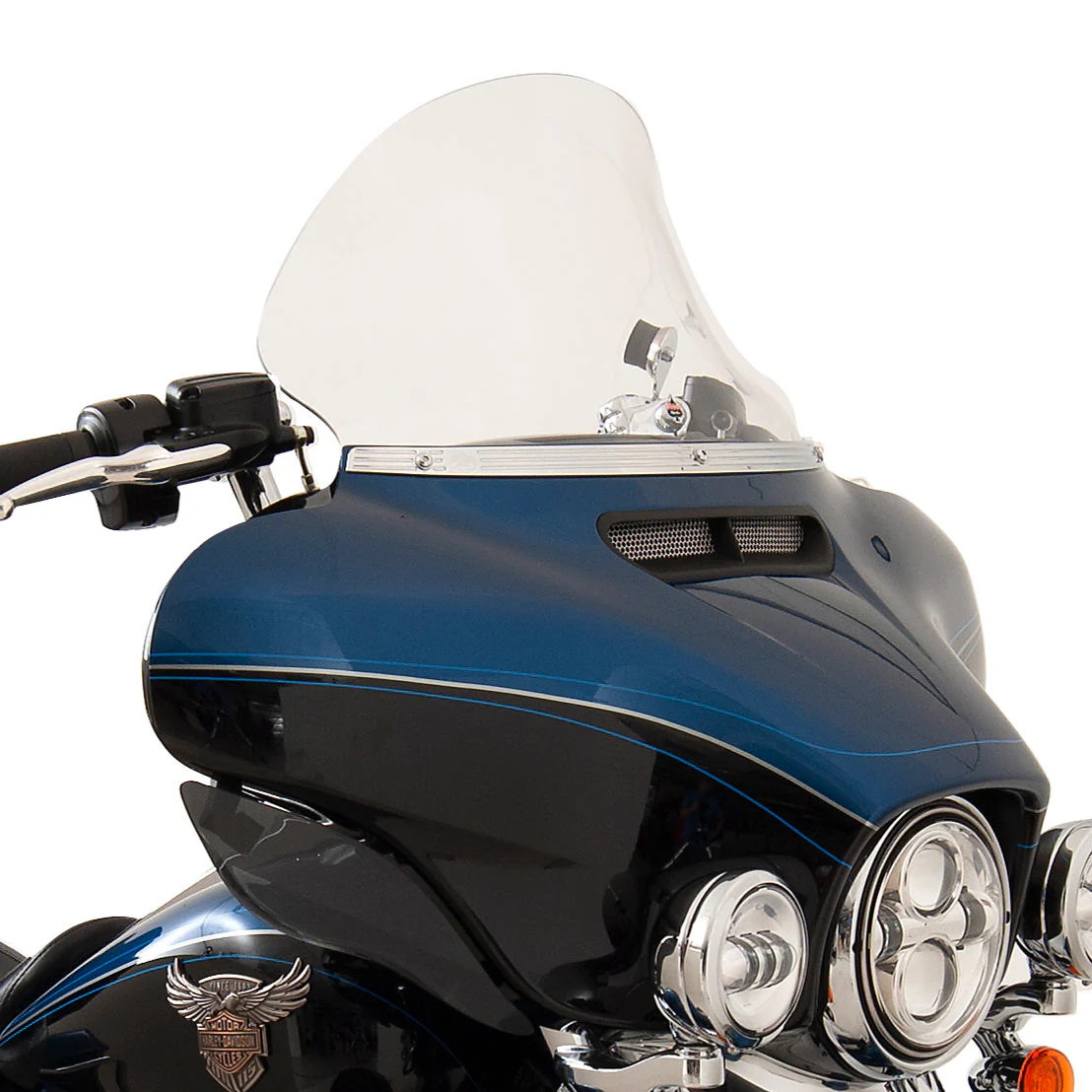
When it comes to motorcycle comfort and safety, the Motorcycle Windshield Angle plays a pivotal role in protecting riders from wind, rain, and road debris. The angle at which a windshield is set not only affects aerodynamics but also determines how much fatigue and strain a rider experiences during long rides. A well-adjusted windshield can drastically improve your riding experience by redirecting airflow and minimizing direct exposure to adverse weather conditions. Understanding the nuances of windshield angles is essential for both casual riders and long-distance touring enthusiasts.
Understanding Motorcycle Windshield Angle
The Motorcycle Windshield Angle refers to the tilt or inclination of the windshield in relation to the bike and the rider. This angle can range from nearly vertical to aggressively slanted backward. The design and adjustment of this angle influence how air flows over and around the rider. A more upright angle tends to provide better coverage for the upper body, shielding against rain and head-on wind. In contrast, a sharper angle improves aerodynamics at high speeds but may direct more airflow toward the rider’s chest or helmet.
Wind Protection Benefits
One of the primary reasons riders adjust their Motorcycle Windshield Angle is to reduce wind pressure. High-speed riding can cause significant fatigue when the wind constantly hits the rider’s body. By fine-tuning the angle, riders can create a protective bubble of calmer air. For long-distance rides, an optimized windshield angle prevents neck strain and shoulder tension, making the journey far more comfortable. Additionally, the angle helps in reducing turbulence around the helmet, lowering wind noise and enhancing overall riding focus.
Rain and Weather Shielding
The Motorcycle Windshield Angle also directly affects rain protection. Rain hitting a windshield at an improper angle can deflect water onto the rider, soaking clothing and gear. Adjusting the windshield to an optimal angle allows rain to slide off efficiently, keeping the rider dry. A taller windshield with a slightly reclined angle is particularly effective for heavy rain conditions, while shorter windshields may require more forward tilt to balance wind and rain deflection.
How to Choose the Right Angle
Selecting the correct Motorcycle Windshield Angle depends on several factors, including rider height, motorcycle type, and riding style. Taller riders may need a higher and more reclined angle to ensure airflow bypasses the helmet and upper body. Touring motorcycles often come with adjustable windshields, allowing riders to experiment with angles for maximum comfort and weather protection. Performance-oriented motorcycles may prioritize aerodynamics, requiring a more aggressive tilt that balances wind resistance with speed efficiency.
Adjustable Windshield Mechanisms
Modern motorcycles increasingly feature adjustable windshields that make changing the Motorcycle Windshield Angle simple. Mechanisms can range from manual levers to electronic adjustments, allowing riders to fine-tune their wind and rain protection on the fly. These adjustable systems are invaluable for riders who encounter changing weather conditions or varied riding speeds, as they can instantly adapt the windshield angle for optimal performance.
Common Mistakes to Avoid
Many riders underestimate the importance of Motorcycle Windshield Angle and either leave it in a factory default position or set it too aggressively. Too vertical an angle may create excessive wind turbulence around the helmet, while too reclined a windshield may fail to protect from rain or flying debris. Proper experimentation and adjustment are key. Riders should test different angles on short rides before committing to a preferred setup, ensuring that comfort, protection, and visibility are all maximized.
Benefits Beyond Comfort
While comfort is the most immediate advantage, the right Motorcycle Windshield Angle also improves fuel efficiency by reducing drag and turbulence. Aerodynamic efficiency allows the motorcycle to cut through air more smoothly, conserving energy and improving stability at higher speeds. Additionally, it enhances rider safety by minimizing distractions caused by wind noise or buffeting, allowing for better focus on the road and surroundings.
Custom Windshield Solutions
For riders seeking ultimate control over Motorcycle Windshield Angle, custom windshields are an excellent option. These can be tailored to the rider’s height, preferred riding posture, and specific weather conditions. Custom solutions often provide more flexibility in angle adjustment and superior material quality, offering long-term durability and consistent performance. This is especially valuable for touring riders or those who frequently ride in variable weather conditions.
Maintenance and Adjustment Tips
Maintaining the correct Motorcycle Windshield Angle requires regular inspection and occasional adjustment. Ensure mounting brackets are tight and not warped, as loose fittings can alter the angle unintentionally. Clean the windshield regularly to prevent scratches that can impair visibility and affect how rain or wind interacts with the surface. Periodic angle checks are recommended, particularly after transporting the motorcycle or following off-road rides.
Conclusion
The Motorcycle Windshield Angle is more than just a design feature; it is a crucial component of rider comfort, safety, and performance. Properly adjusted, it shields the rider from wind, rain, and debris, reduces fatigue, improves aerodynamics, and enhances overall riding enjoyment. Understanding, experimenting with, and maintaining the correct windshield angle ensures that every ride, whether short or long-distance, is safer and more comfortable. Prioritizing the right angle can transform your motorcycle experience, making the journey as enjoyable as the destination.