
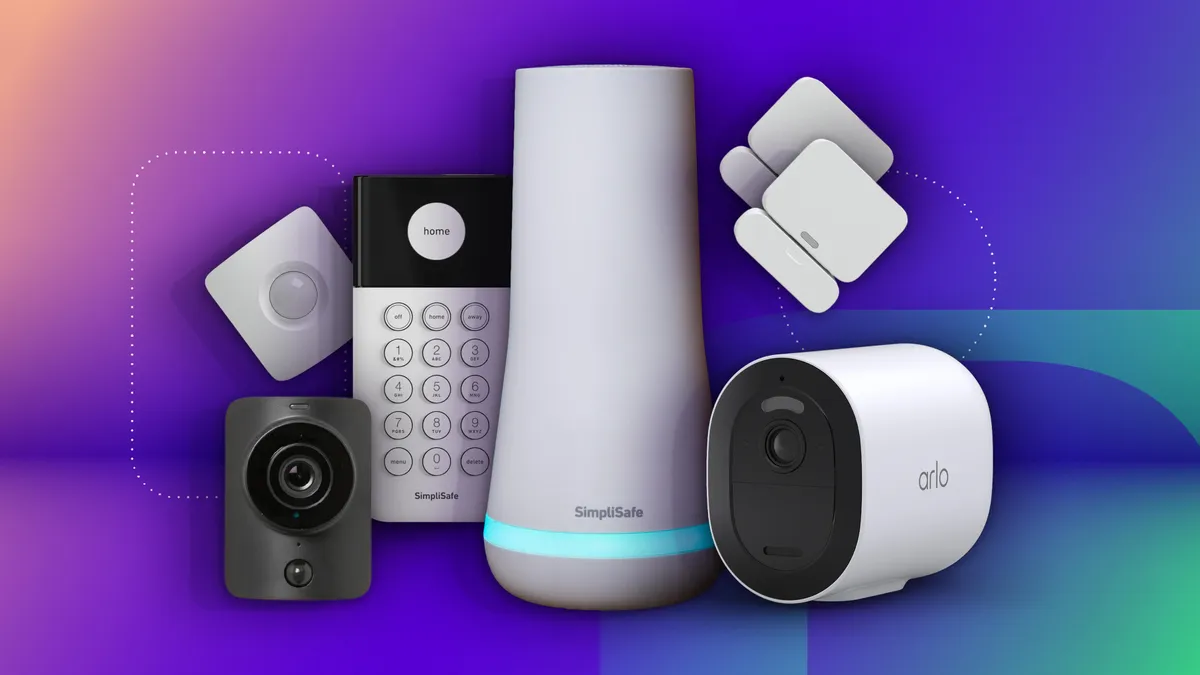
In today’s world, protecting your home or business has never been more important. Security systems are no longer just luxury items—they are essential tools for safety. However, finding the right system that balances cost and performance can be challenging. In this article, we explore various Security Systems that provide excellent protection without breaking the bank.
Understanding Security Systems
What Are Security Systems?
Security systems are a combination of devices and software designed to protect homes, offices, and other properties from threats like theft, fire, or intrusion. These systems include alarms, surveillance cameras, motion sensors, smart locks, and monitoring services. They can range from simple DIY setups to sophisticated professional systems with remote access and real-time alerts.
Why Cost and Performance Matter
Not all security systems are created equal. Some may be affordable but offer limited features, while high-end systems provide advanced protection at a premium price. The key is to find a system that delivers reliable performance, user-friendly features, and reasonable cost. By balancing these factors, homeowners can maximize security without overspending.
Types of Security Systems
Wired Security Systems
Wired security systems are traditional setups where cameras and sensors are connected through cables.
Advantages:
- Highly reliable signal
- Less vulnerable to interference
- Ideal for large properties
Disadvantages:
- Installation can be complicated
- Harder to move or expand
Wired systems are perfect for homeowners who want a robust system that doesn’t rely on Wi-Fi. Many people compare it to a permanent home upgrade—it may take effort to install, but it lasts for years.
Wireless Security Systems
Wireless security systems use Wi-Fi or cellular signals to connect devices, making them flexible and easy to install.
Advantages:
- Easy DIY installation
- Can be expanded easily
- Remote monitoring through mobile apps
Disadvantages:
- Dependent on Wi-Fi reliability
- May require frequent battery changes
Wireless systems are ideal for renters or people who prefer a setup that can move with them. Think of it like a portable alarm system that travels with your lifestyle.
Key Features to Look For
Cameras and Video Monitoring
Cameras are the backbone of any security system. High-resolution cameras with night vision ensure clear footage at all times. Features like motion detection and cloud storage make monitoring easier. For example, many families use cameras to monitor front doors and driveways, helping prevent package theft or unauthorized entry.
Smart Home Integration
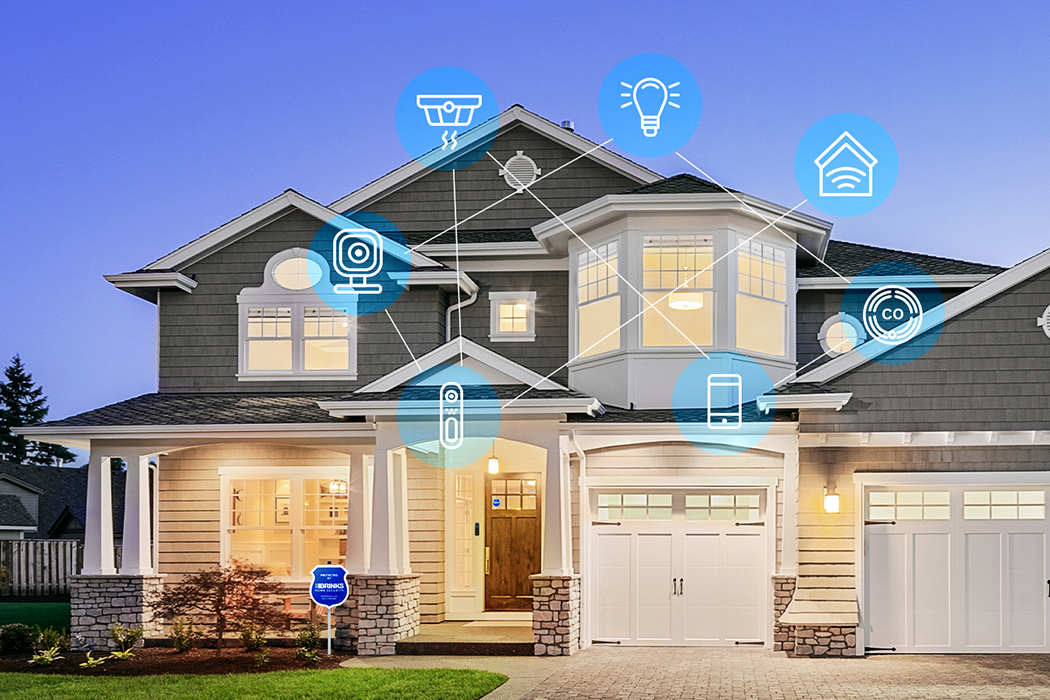
Modern security systems integrate seamlessly with smart home devices such as lights, door locks, and thermostats. This integration enhances convenience and adds another layer of security. A real-life example is using smart lights to simulate occupancy while you are away, which can deter potential intruders.
Alarm Systems and Alerts
Alarms notify homeowners and authorities in case of unauthorized access or emergencies. Systems with smartphone alerts allow instant notifications, giving users peace of mind even when they are not home. For instance, a family once prevented a burglary because their system immediately alerted them when a window sensor was triggered.
Cost-Effective Security Solutions
DIY Security Systems
DIY systems allow homeowners to install their own devices without professional help. These systems are budget-friendly and suitable for small to medium-sized homes. Popular DIY brands offer kits with cameras, sensors, and alarms that are easy to set up in just a few hours.
Professional Security Services
For those who want more comprehensive protection, professional services offer monitoring, installation, and maintenance. While more expensive than DIY systems, they provide 24/7 monitoring and rapid response in emergencies. A small business, for instance, might choose a professional system to protect assets and ensure insurance compliance.
Hybrid Systems
Hybrid systems combine DIY and professional approaches. Users can install some components themselves while subscribing to monitoring services for critical areas. This approach balances cost and performance effectively, giving homeowners flexibility and peace of mind.
Making the Right Choice
Assessing Your Needs
Before purchasing a security system, assess your property, lifestyle, and budget. Consider factors like home size, number of entry points, and local crime rates. Understanding your needs helps you avoid paying for unnecessary features while ensuring adequate protection.
Comparing Brands and Models
Researching brands and reading reviews helps identify systems that offer the best balance between cost and performance. Look for systems with positive user feedback, warranty coverage, and accessible customer support. Real-world comparisons reveal that a mid-range system often outperforms cheaper options in reliability and functionality.
Long-Term Considerations
When evaluating security systems, consider long-term costs such as subscription fees, battery replacements, and software updates. Investing in a slightly higher upfront cost system can save money and frustration over time. Think of it like buying a reliable car—it may cost more initially, but it lasts longer and performs better.
Conclusion
Investing in a security system doesn’t have to be expensive. By understanding the types of systems available, key features, and cost-effective solutions, homeowners can find a system that balances both cost and performance. Whether you choose a DIY wireless system, a professional service, or a hybrid approach, the right security system ensures peace of mind, protection, and smart investment for your home or business. Your journey starts at our homepage—check it out today.
FAQs
What is the most affordable type of security system?
The most affordable security systems are DIY wireless setups. They offer easy installation, flexibility, and essential features like cameras and alarms without high installation costs.
Can I expand a security system over time?
Yes, many wireless and hybrid systems allow expansion. You can add cameras, sensors, or smart devices as needed, making it easy to adapt the system to changing security needs.
Are professional monitoring services worth the cost?
Professional monitoring services are worth the investment if you want 24/7 monitoring, rapid emergency response, and minimal maintenance responsibilities. They provide enhanced security and peace of mind compared to standalone DIY systems.