
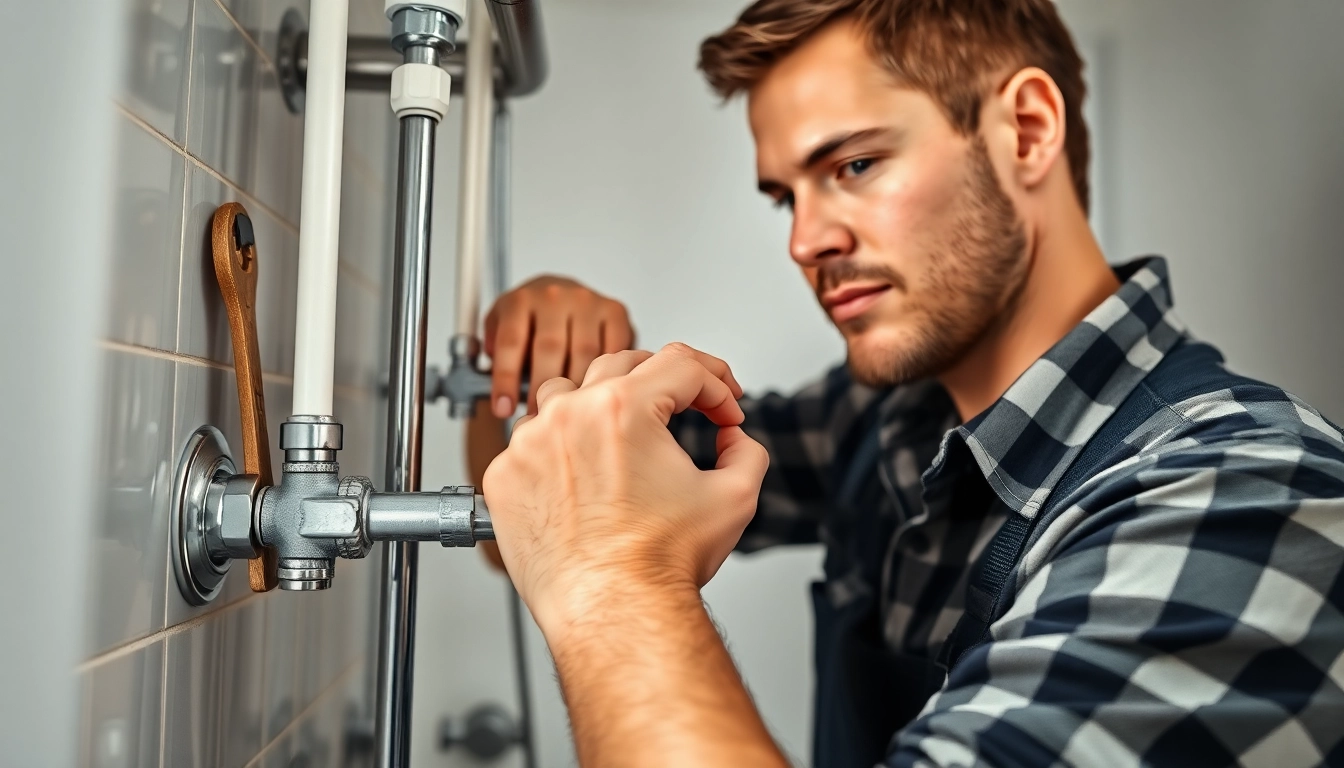
Understanding the Plumbing Apprenticeship Program
Entering the plumbing industry can be an exciting and lucrative career choice. One of the most effective ways to gain the skills and experience needed is through a plumbing apprenticeship. This structured training program combines hands-on work with classroom instruction, preparing you to become a licensed plumber. In this comprehensive guide, we’ll cover everything you need to know about plumbing apprenticeships, including what they entail, how to get started, and what skills you’ll need to succeed.
What is a Plumbing Apprenticeship?
A plumbing apprenticeship is a vocational training program that blends on-the-job experience with classroom education. Typically spanning four to five years, apprenticeships equip trainees with a solid foundation in plumbing skills, including installation, maintenance, and repair of various systems. Apprentices work under the supervision of licensed professionals, allowing them to learn the trade effectively while earning a wage. This method of training not only cultivates hands-on skills but also instills essential safety practices and problem-solving abilities in aspiring plumbers.
How to Begin Your Plumbing Apprenticeship
Starting a plumbing apprenticeship involves a few essential steps:
- Research and Find Programs: Investigate local unions, trade schools, and community colleges that offer plumbing apprenticeship programs.
- Meet Prerequisites: Confirm you meet the minimum age requirements (often 18) and have a high school diploma or GED.
- Apply and Interview: Fill out applications and prepare for interviews, demonstrating your enthusiasm and willingness to learn.
- Complete Required Tests: Be ready to pass any entrance exams or assessments that are part of the selection process.
Key Benefits of a Plumbing Apprenticeship
There are numerous advantages to entering a plumbing apprenticeship. Here are some of the most significant:
- Earn While You Learn: Apprentices are paid while gaining practical experience, alleviating financial pressures.
- Accreditation: Completing an apprenticeship may be a prerequisite for obtaining formal plumbing licenses.
- Job Security: Skilled plumbers are always in demand due to the essential nature of plumbing services.
- Networking Opportunities: Apprenticeships provide direct connections to industry professionals, which can lead to future job prospects.
Skills Required for a Successful Plumbing Apprenticeship
Technical Skills Needed
Technical skills are crucial for anyone looking to excel in a plumbing apprenticeship. Key competencies include:
- Pipefitting: Understanding various types of pipes, fittings, and their applications is fundamental.
- Installation Techniques: Knowledge of how to install and maintain different plumbing fixtures is essential.
- Blueprint Reading: Being able to interpret plumbing schematics ensures accurate installations.
- Troubleshooting: Skills in diagnosing problems and devising effective solutions are vital.
Soft Skills for Plumbers
In addition to technical skills, soft skills play a key role in the plumbing industry. Essential soft skills include:
- Communication: Clear communication with clients and team members is crucial for successful project execution.
- Time Management: Managing schedules and deadlines efficiently enhances productivity.
- Customer Service: Good interpersonal skills can improve client satisfaction and foster repeat business.
Safety Practices in Plumbing
Safety is paramount in the plumbing profession. Apprentices are trained on essential safety practices, including:
- Proper Use of Tools: Understanding how to safely use plumbing tools and equipment reduces the risk of injury.
- Hazard Recognition: Identifying and mitigating potential hazards in work environments is critical.
- Personal Protective Equipment (PPE): Training includes the importance of wearing appropriate safety gear.
Finding Plumbing Apprenticeship Opportunities
Where to Look for Apprenticeships
Finding a plumbing apprenticeship can be competitive, but various resources can aid your search:
- Union Programs: Many local plumbers' unions offer apprenticeship programs with structured training.
- Trade Schools and Community Colleges: These institutions often have connections with local plumbing companies.
- Online Job Boards: Platforms like Indeed or LinkedIn frequently list apprenticeship openings.
Applying for a Plumbing Apprenticeship
Once you've identified potential programs, the application process typically involves:
- Submitting an Application: Fill out the required forms and provide necessary documentation.
- Preparing a Resume: Highlight relevant skills, education, and any previous work experience that pertains to plumbing.
- Interviewing: Be prepared to discuss your interest in plumbing and what you hope to gain from the apprenticeship.
Networking in the Plumbing Industry
Networking is vital for aspiring plumbers. Here are tactics to expand your connections:
- Join Professional Organizations: Consider becoming a member of plumbing associations to access resources and events.
- Attend Industry Events: Trade shows and workshops can provide opportunities to meet experienced professionals.
- Utilize Social Media: Platforms like LinkedIn can be effective for networking with industry peers.
What to Expect During Your Plumbing Apprenticeship
Learning Environment and Training
During your apprenticeship, you’ll experience a blend of hands-on training and classroom education. Expect to:
- Complete On-the-Job Training: Work alongside skilled plumbers who provide mentorship and guidance.
- Attend Classes: Courses will cover plumbing codes, safety regulations, and specific plumbing techniques.
- Hands-On Projects: You will participate in practical projects that reinforce what you learn in the classroom.
Work-Life Balance as an Apprentice
Finding balance is important in any job, including plumbing. Considerations for work-life balance include:
- Expect Variable Hours: Plumbing work may require evenings and weekends, affecting personal time.
- Time Management Skills: Mastering time management can help maintain a healthy work-life balance.
- Schedule Flexibility: Many apprenticeships offer flexible hours, helping to accommodate personal commitments.
Progressing Throughout Your Apprenticeship
As you advance through your apprenticeship, you can expect to:
- Receive Regular Feedback: Mentors will provide evaluations to help you improve as you progress.
- Earn Promotions: Successfully completing tasks may lead to increased responsibilities or pay raises.
- Prepare for Exams: Many apprenticeships require passing tests to earn your plumbing license.
Advancing Your Career After a Plumbing Apprenticeship
Certification and Licensing Options
After completing your plumbing apprenticeship, obtaining certification and a license is crucial for career advancement. Follow these steps:
- Take Required Exams: Most regions require passing a plumbing exam to become a licensed plumber.
- Meet Continuing Education Requirements: Stay informed about industry changes through ongoing education.
- Gain Specialized Certifications: Consider additional certifications in areas like gas fitting or backflow prevention.
Job Opportunities Post-Apprenticeship
Once licensed, a variety of job opportunities await, including:
- Residential Plumbing: Work on installations and repairs in homes.
- Commercial Plumbing: Handle plumbing in businesses and public facilities.
- Self-Employment: Start your own plumbing business for greater independence and potential earnings.
Continuing Education in Plumbing
The plumbing field is constantly evolving. Consider the following for ongoing education:
- Workshops and Seminars: Attend events to stay up-to-date with new technologies and practices.
- Online Courses: Many resources offer courses on advanced plumbing techniques.
- Trade Publications: Subscribe to trade magazines for industry insights and trends.
Frequently Asked Questions
1. How long is a plumbing apprenticeship?
A typical plumbing apprenticeship lasts between four to five years, combining on-the-job training with classroom education.
2. Do you get paid during a plumbing apprenticeship?
Yes, apprentices earn wages while they learn, making this a crucial aspect of the program.
3. Is a plumbing apprenticeship difficult?
It can be challenging due to the technical skills and physical demands, but the rewards and opportunities are substantial.
4. What qualifications do I need to start an apprenticeship?
You typically need to be at least 18 and have a high school diploma or equivalent to apply for plumbing apprenticeships.
5. Can I specialize in plumbing after my apprenticeship?
Yes, specializing in areas like gas fitting or solar plumbing can enhance your career prospects and earnings potential.