
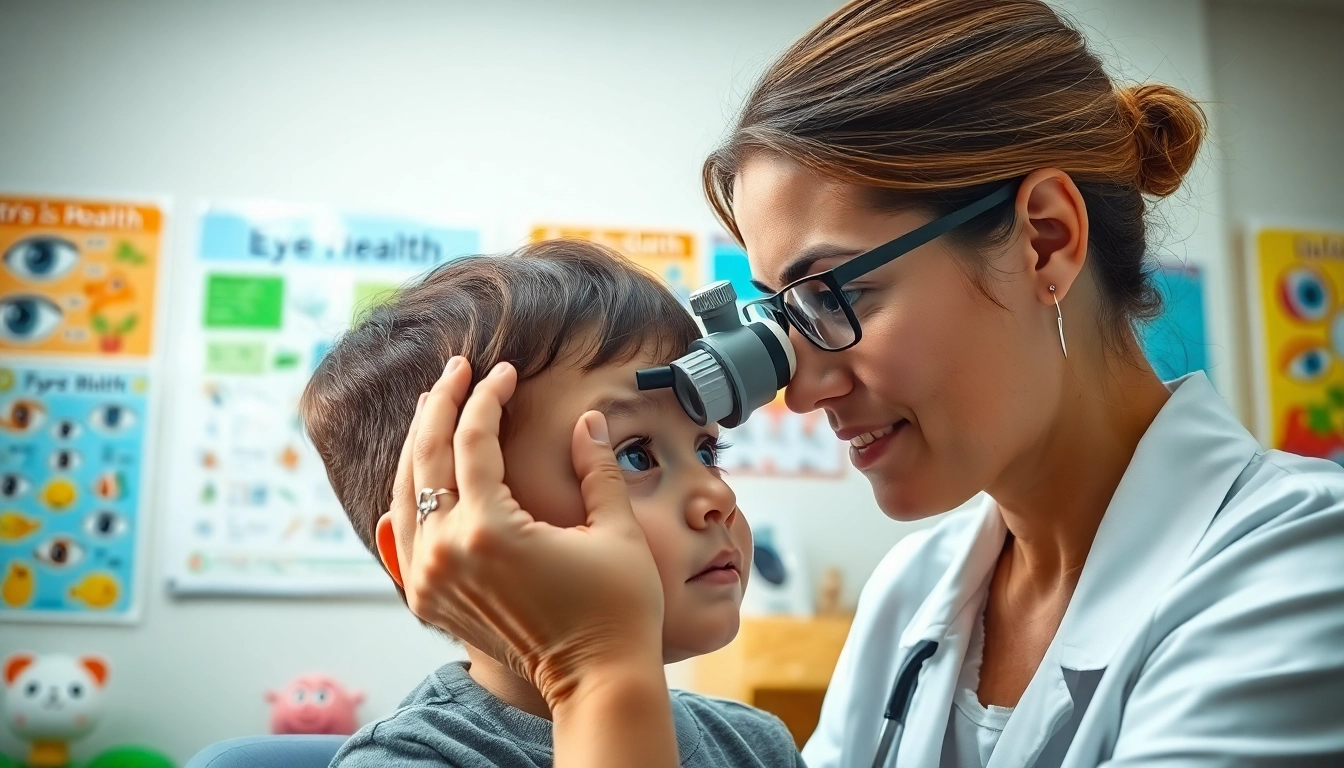
Understanding Our Children's Vision Needs
Vision is a critical element of a child's development and overall quality of life. The ability to see properly influences everything from a child's academic performance to their social interactions. Addressing vision issues early can prevent more severe problems in the future. This is why organizations like Our Children's Vision advocate for enhanced awareness and proactive measures regarding children's eye health.
Importance of Early Eye Examinations
Regular eye examinations play a crucial role in monitoring and safeguarding children's vision. Pediatric eye specialists recommend that children have their first eye exam at six months of age, followed by additional check-ups at three years old, and again before they enter school. Early detection of vision problems, such as amblyopia or strabismus, can significantly enhance a child's potential for successful treatment. Statistically, nearly 1 in 5 children suffer from some form of vision issue that impacts their daily activities and learning capabilities.
Common Vision Problems in Children
Children can experience various vision problems, including:
- Refractive Errors: Conditions like nearsightedness (myopia), farsightedness (hyperopia), and astigmatism can interfere with a child’s ability to focus.
- Amblyopia: Often referred to as lazy eye, this condition occurs when the brain favors one eye over the other, leading to poor vision in the weaker eye.
- Strabismus: This is the misalignment of the eyes, which can cause double vision or poor depth perception.
- Color Blindness: While often hereditary, this condition can impact a child's ability to differentiate between certain colors, affecting learning and participation in activities.
Signs That Indicate Vision Issues
Being vigilant about potential signs of vision problems ensures timely intervention. Parents and caregivers should look for:
- Frequent rubbing of the eyes
- Difficulties focusing on objects or reading
- Complaints about headaches or tired eyes
- Squinting or tilting the head to see better
- Covering one eye to see
Recognizing these early warning signs can make a tremendous difference in a child's visual health.
Best Practices for Eye Care
Promoting healthy vision in children extends beyond regular check-ups. It includes adopting best practices that can enhance eye health.
Nutrition for Healthy Vision
A well-balanced diet filled with nutrients supports not only overall health but also contributes significantly to eye well-being. Focus on including:
- Carrots and Leafy Greens: Rich in beta-carotene and lutein, which help maintain healthy retina.
- Fish: Fatty fish like salmon are high in omega-3 fatty acids, crucial for optimal retinal health.
- Whole Grains: Foods such as brown rice and whole-wheat bread that stabilize blood sugar can minimize the risk of developing eye diseases.
A diet that incorporates these foods not only helps children maintain clear vision but also acts as a preventive measure against long-term eye conditions.
Screen Time Management Guidelines
In today's digital age, managing screen time is vital for children's eye health. The American Academy of Pediatrics (AAP) provides guidelines suggesting that children aged 2 to 5 should have no more than one hour of screen time per day, while those aged 6 and older should maintain consistent limits that ensure time for sleep, physical activity, and other healthy behaviors. To protect children's eyes, encourage the 20-20-20 rule: every 20 minutes, have children look at something 20 feet away for at least 20 seconds to reduce eye strain.
Protective Measures for Outdoor Activities
Outdoor play is essential for children's development, but it comes with its own set of eye health considerations. To protect against UV radiation, which can lead to early cataracts and other vision problems, it is advisable to:
- Encourage wearing sunglasses that block 100% of UVA and UVB rays.
- Provide hats with brims to shield eyes from direct sunlight.
- Educate children on the importance of eye safety during sports, using appropriate protective eyewear where necessary.
Choosing the Right Eye Care Professional
Selecting an appropriate eye care professional is an important step in ensuring your child's long-term vision health. Understanding what to look for can help parents make informed decisions.
What to Look for in an Eye Specialist
When searching for an eye doctor, prioritize the following factors:
- Experience and Qualifications: Look for a pediatric optometrist or ophthalmologist with specific training in children's eye health.
- Communication Style: Choose someone who engages with your child comfortably and clearly explains procedures.
- Office Environment: A friendly and welcoming office can ease children's anxiety, making exams smoother and more effective.
Types of Eye Care Services Available
Eye care services range widely, including:
- Comprehensive eye exams which assess vision and eye health.
- Vision therapy, particularly for strabismus or amblyopia, to improve visual processing.
- Dispensing eyeglasses or contact lenses tailored to children's specific needs.
Questions to Ask During Your Visit
Being prepared for your child’s eye exams can help parents feel more at ease and active in the process. Key questions include:
- What specific vision assessments will be performed?
- How often should my child have follow-up exams?
- Can you recommend strategies to enhance my child's eye health at home?
Building Awareness About Our Children's Vision
Creating a broader understanding of children's vision issues involves not just individual action but community engagement. This fosters a culture where eye health is prioritized.
Community Resources and Support Groups
Local community resources can provide vital support and information for families dealing with vision issues. Consider connecting with:
- Local healthcare providers or non-profits that focus on vision care.
- Support groups that offer a platform for families to share experiences and strategies.
- Educational seminars about common vision problems and prevention strategies.
Educational Programs on Vision Health
Schools and community centers should promote educational programs that focus on vision health, covering topics such as the importance of regular check-ups and healthy eye habits. Incorporating these lessons into health classes can empower families with information and resources.
Advocating for Better Policies in Eye Care
Advocacy at both the local and national levels can lead to improved eye care policies. Parents, educators, and healthcare professionals can work together to:
- Lobby for vision screening laws in schools.
- Push for increased funding for pediatric eye exams under health insurance plans.
- Promote community events that raise awareness about children's vision issues.
Monitoring and Maintaining Vision Health
Ongoing vigilance is necessary to ensure children's vision remains healthy as they grow. This includes routine checks and proactive measures.
Annual Eye Check-up Importance
Establishing a routine of annual eye exams can help track children’s visual development and detect any emerging problems early. These exams will not only assess sight but also overall eye health.
Tracking Vision Changes Over Time
Encouraging parents to keep a record of their child’s visual impairments, if any, ensures effective management and response to changes in vision. Any new symptoms reported should prompt an immediate appointment with the eye care professional.
Engaging Children in Healthy Eye Habits
Involving children in their eye health can make a significant positive impact. Engage them through fun activities that reinforce healthy habits. For instance, create a “vision health chart” where they can track their progress in adopting better habits, like a balanced diet or regular outdoor play.
In summary, understanding and addressing children's vision needs are paramount for their health and development. Early examinations, awareness of potential issues, proper nutrition, and making informed choices about eye care professionals are key components. Additionally, fostering community awareness and establishing proper monitoring will create a more comprehensive approach to promoting and maintaining our children's vision.