
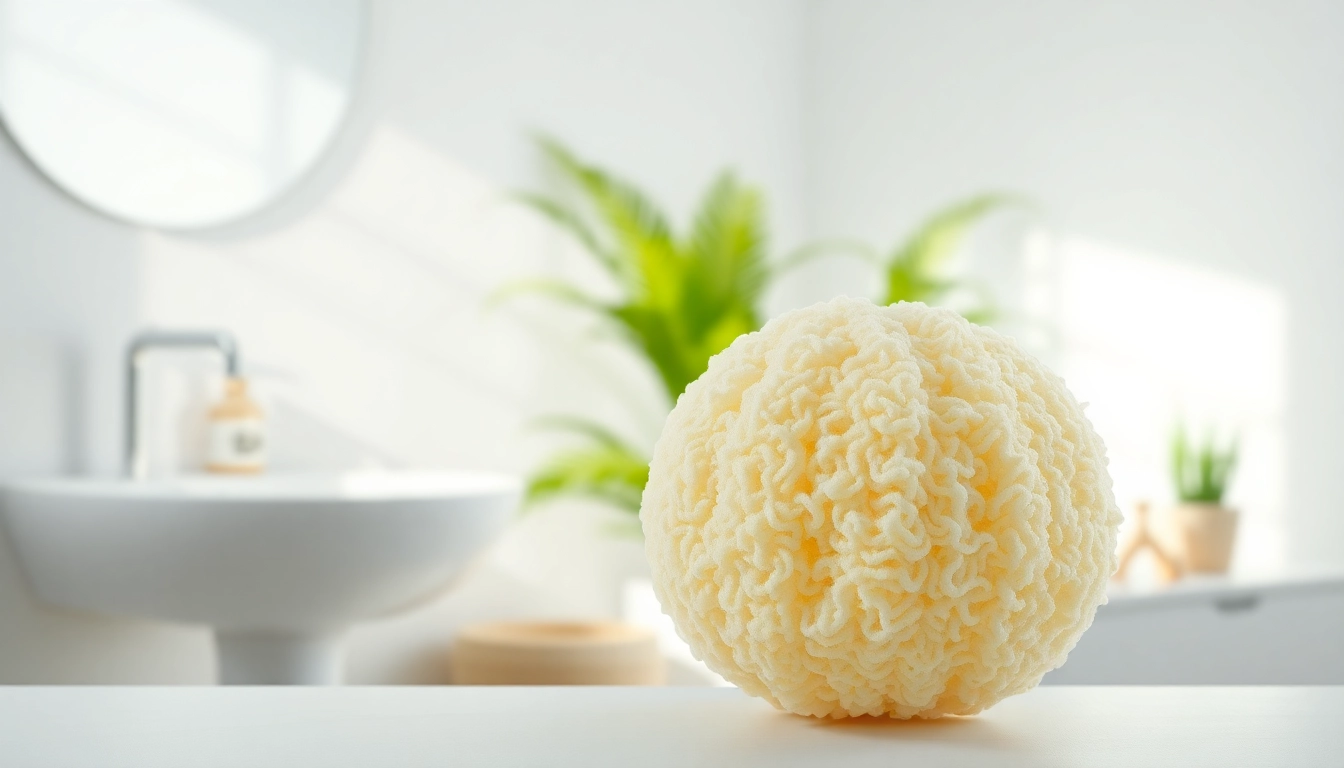
Understanding the Importance of Cleaning a Loofah
Loofahs are a popular choice in many households for their natural exfoliating properties, transforming our bathing routine into a spa-like experience. However, not everyone understands the significance of maintaining these humble sponges. Just like other shower accessories, loofahs can harbor bacteria and fungi if not cleaned regularly. Learning how to clean a loofah is essential for optimal hygiene and skin health.
Why Clean Your Loofah Regularly?
Cleaning your loofah is crucial for several reasons. Over time, they can accumulate dead skin cells, soap residues, and bacteria, which can lead to skin irritations or infections. Regular cleaning helps to maintain the loofah's effectiveness as a skin exfoliator while ensuring it remains a safe tool for use. By keeping loofahs clean, you not only protect your skin but also extend the life of your exfoliating tool.
Potential Risks of Dirty Loofahs
Using a dirty loofah poses various health risks. Bacteria like Staphylococcus and mold can thrive in damp environments, leading to infections or skin problems. Common issues include rashes, acne flare-ups, and other irritations. Therefore, it is vital to adopt a cleaning routine that will mitigate these risks and ensure your loofah remains in pristine condition.
Signs Your Loofah Needs Cleaning
Identifying when your loofah needs a thorough cleaning is key to maintaining its functionality. Look out for the following signs:
- Unpleasant odors emanating from the loofah.
- A slimy texture that feels different to the touch.
- Visible debris or discoloration on the surface.
- Fungal growth, which may appear as dark spots.
How to Clean a Loofah Safely
Cleaning a loofah takes minimal effort and can often be done with items you already have at home. Below are some practical methods to clean it effectively and safely.
Recommended Cleaning Supplies
To clean your loofah, you will need the following items:
- Warm water
- White vinegar or baking soda (for natural cleaning)
- Dish soap (mild)
- A clean bowl or sink
- A well-ventilated area for drying
Step-by-Step Cleaning Instructions
Here are straightforward steps for cleaning your loofah:
- Preparation: Rinse the loofah under warm water to remove any surface dirt.
- Soak: In a bowl or sink, mix warm water with either a cup of white vinegar or a few tablespoons of baking soda. Soak your loofah for about 10-15 minutes.
- Scrub: After soaking, gently scrub the loofah with your hands to remove any remaining particles.
- Rinse: Rinse thoroughly under warm water until all cleaning solution is removed.
- Dry: Squeeze out excess water and hang the loofah in a well-ventilated area to dry completely.
Natural Alternatives for Cleaning
If you prefer using natural products, several alternatives to commercial cleaners are effective. For instance, a mixture of baking soda and lemon juice not only cleans but also deodorizes. Essential oils like tea tree oil can also be added as they have natural antibacterial properties, ensuring your loofah remains fresh and safe to use.
Drying and Maintaining Your Loofah
Once your loofah is clean, proper drying and maintenance techniques become critical to ensure longevity.
Best Practices for Drying
To dry your loofah effectively, ensure it is hung in a place with good airflow. Avoid storing it in damp areas like your shower or bathroom cabinet. A decorative hook or a dedicated drying rack can be ideal for this purpose. Ensure it dries completely after each use to prevent bacteria growth.
How Often to Replace Your Loofah
Even with regular cleaning, loofahs do have a lifespan. Generally, it’s advisable to replace natural loofahs every 3 to 4 weeks. Synthetic loofahs can last a bit longer, but if you notice deterioration in their structure, discoloration, or an unpleasant odor despite cleaning, it’s time to dispose of them.
Storage Tips for Longevity
For optimal storage, keep your loofah in a dry, airy spot. Consider placing it in a hanging mesh bag or a breathable container to keep it fresh. Avoid sealed containers, as they trap moisture, leading to mold and bacteria growth.
Common Mistakes to Avoid When Cleaning a Loofah
While cleaning a loofah may seem straightforward, several common mistakes can undermine efforts to maintain its cleanliness.
Using Harsh Chemicals
Many people inadvertently reach for harsh chemicals or bleach to clean their loofahs. Not only can these substances damage the natural fibers, but they can also leave harmful residues behind. Stick to natural cleaners or mild dish soap for safety.
Over-soaking or Ignoring Drying
It’s easy to forget a loofah in the cleaning solution for too long, leading to an excess buildup of moisture that promotes mold growth. Similarly, neglecting the drying process entirely can compromise hygiene. A quick rinse followed by proper drying is preferable.
Neglecting Regular Maintenance
Many loofah users underestimate the importance of regular cleaning. This neglect can lead to both health risks and a less effective product. Establish a cleaning schedule based on usage frequency to ensure your loofah remains in optimal shape.
FAQs About Cleaning a Loofah
Can I use bleach to clean my loofah?
It's not recommended to use bleach as it can damage the loofah fibers. Opt for natural cleaners instead.
How can I tell if my loofah is too old?
If it feels slimy, smells bad, or loses its shape, it's time to replace it.
Can I wash my loofah in the dishwasher?
Yes, placing your loofah in the top rack of the dishwasher can effectively clean it.
Is it okay to share my loofah?
It's best to avoid sharing loofahs to prevent the spread of bacteria and fungi.
How can I enhance the longevity of my loofah?
Ensure it dries completely after each use and sterilize it regularly using natural methods.