Understanding Hydraulic Hose Repair
Hydraulic systems play a vital role in numerous industries, enabling machinery to perform efficiently and reliably. A critical component of these systems is the hydraulic hose, which transmits fluid throughout the system. Over time, however, wear and tear can lead to failures, necessitating hydraulic hose repair. This article delves into the intricacies of hydraulic hose repair, providing valuable insights into the repair process, necessary tools, and preventative measures to ensure longevity.
The Basics of Hydraulic Systems
Hydraulic systems operate on the principle of Pascal's Law, which states that pressure applied to a confined fluid is transmitted undiminished in all directions. This principle enables hydraulic systems to transfer force efficiently, allowing for the operation of machinery such as excavators, forklifts, and presses.
The major components of hydraulic systems include a pump, reservoir, valves, actuators, and pipes or hoses. Hydraulic hoses are essential as they connect these components, facilitating fluid movement under high pressure. Understanding the mechanics of these systems is crucial for identifying and addressing issues in hydraulic hose integrity.
Common Hydraulic Hose Issues
Several issues can arise with hydraulic hoses that may require repair:
- Leaks: One of the most common issues is leaking at the hose's ends or body, often caused by wear or improper installation.
- Cracking: Hoses can crack due to excessive bending, exposure to harsh chemicals, or UV light.
- Swelling: Over time, hoses may swell due to internal pressure or chemical reaction, compromising structural integrity.
- Damage: Physical damage from impacts or abrasions can lead to premature hose failure.
Signs Your Hose Needs Repair
Detecting issues early can prevent further damage and costly downtime. Here are some signs that indicate your hydraulic hose may need repair:
- Visible leaks: Puddles or drips of hydraulic fluid beneath your equipment should not be ignored.
- Discoloration: Changes in color of the hose material can indicate degradation.
- Excessive pressure drops: A noticeable drop in pressure can affect performance and signals internal damage.
- Unusual noises: Whining or hissing sounds during operation can point to air leaks or bursting hoses.
Tools Required for Hydraulic Hose Repair
Successfully performing hydraulic hose repair requires specific tools and equipment to ensure precision and safety. Having the right tools not only facilitates an efficient repair process but also helps in maintaining high safety standards.
Essential Tools Overview
Some essential tools for hydraulic hose repair include:
- Hose Cutters: For precise hose cutting, ensuring clean ends for proper fitting.
- Swagers: For crimping fittings onto hoses, creating a reliable seal.
- Torque Wrench: To ensure fittings are fastened to manufacturer's specifications without over-torquing.
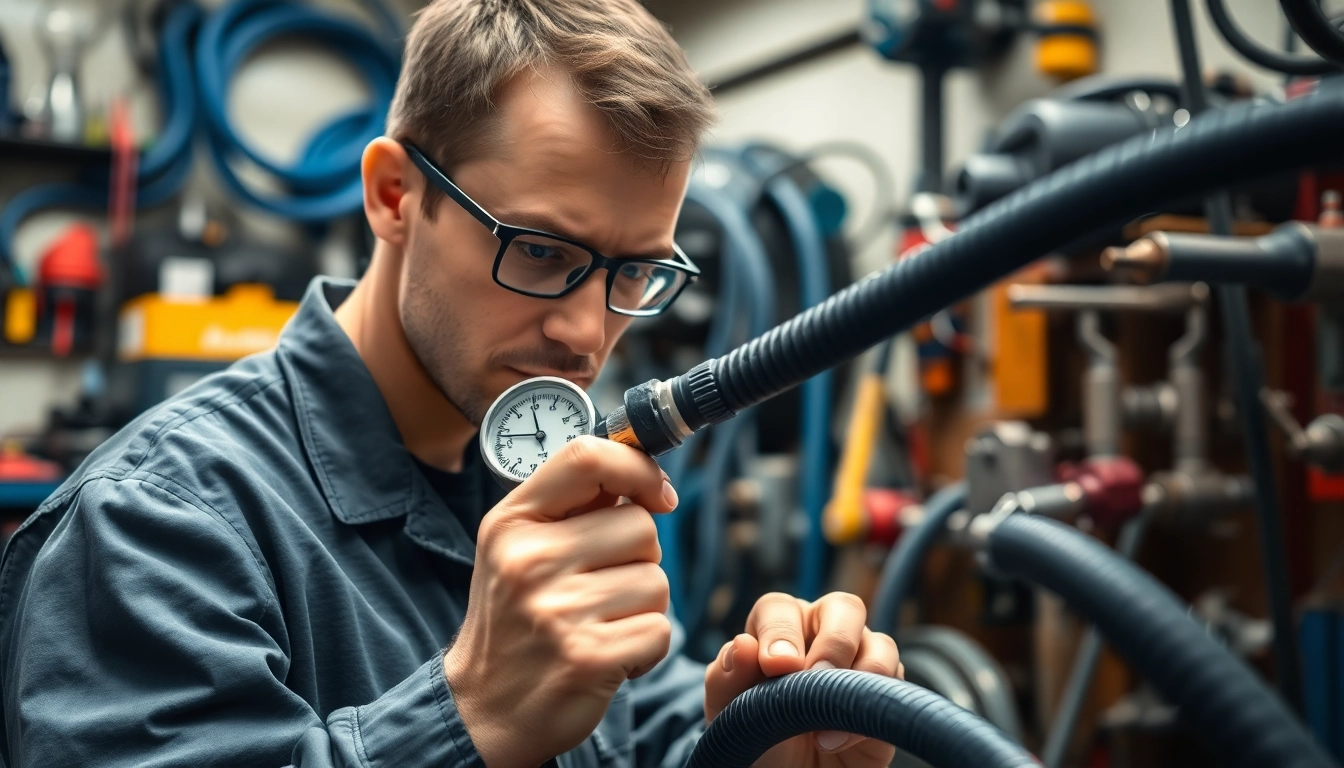
- Pressure Gauge: To test the hose after installation for leaks and integrity.
- Safety Gear: Such as gloves and goggles, to protect against hydraulic fluid hazards.
Tool Maintenance Best Practices
Maintaining your tools is essential for effective hydraulic hose repair. Here are some best practices:
- Regularly inspect tools for damage or wear.
- Clean tools after each use to remove hydraulic fluid and contaminants.
- Properly lubricate moving parts of tools as recommended by the manufacturer.
- Store tools in a dry, organized environment to prevent rust and loss.
Choosing the Right Equipment
Selecting the correct hose and fittings is critical for effective hydraulic hose repair. Consider the following factors:
- Pressure Rating: Ensure that the hose and fittings can withstand the maximum operating pressure of your system.
- Compatibility: Use hoses made from materials compatible with the fluid used in your hydraulic system.
- Size: Select hoses and fittings that fit appropriately to prevent leaks or pressure drops.
Step-by-Step Hydraulic Hose Repair Process
The following section outlines a detailed process for performing hydraulic hose repair effectively.
Safety Precautions Before Starting
Safety is paramount when conducting hydraulic hose repair. Always take the following precautions:
- Depressurize the system before starting any repairs.
- Wear personal protective equipment (PPE) to protect against fluid spills.
- Ensure proper ventilation in the work area to avoid inhalation of hazardous vapors.
- Have a fire extinguisher accessible, as hydraulic fluid can be flammable.
Detailed Repair Instructions
Follow these step-by-step instructions to repair your hydraulic hose:
- Identify the issue: Inspect the hose thoroughly to determine the nature and location of the damage.
- Cut the damaged section: Use hose cutters to remove the compromised section of the hose, ensuring clean cuts.
- Prepare the new hose: Cut a new hose to the appropriate length, allowing for some excess to fit fittings.
- Fit the new hose: Slide appropriate fittings onto both ends of the hose, ensuring they are tightly secured.
- Crimp the hose: Use a swager tool to crimp the fittings securely to the hose.
- Reconnect the hose: Attach the repaired hose to the hydraulic system and ensure tight connections.
- Test for leaks: Repressurize the system and check for any leaks around the repaired area.
Post-Repair Testing Techniques
After completing the repair, it's essential to verify that everything is functioning properly. Follow these testing techniques:
- Pressure Testing: Gradually reintroduce pressure to the system and monitor stability.
- Visual Inspection: Check all connections for leaks or abnormal wear.
- Operational Testing: Run the machinery through its normal operating cycles to ensure everything is working correctly.
Preventative Measures for Hydraulic Hose Longevity
Taking proactive steps can significantly extend the life of your hydraulic hoses and reduce the need for repairs.
Regular Maintenance Tips
Establish a routine maintenance schedule that includes the following:
- Regularly inspect hose conditions and connections.
- Change hydraulic fluids according to the manufacturer's recommendations.
- Check clamps and fittings for signs of wear or corrosion.
- Ensure that hoses are not subjected to excessive bending or abrasion.
Identifying Potential Issues Early
Being proactive in identifying potential problems can reduce costly repairs down the line. Keep an eye out for:
- Changes in operating pressure that could indicate a hose problem.
- Unusual sounds from the hydraulic system that could signal an issue.
- Routine fluid checks to identify any unusual discoloration or particles.
Best Practices for Hose Storage
Improper storage can lead to premature deterioration of hydraulic hoses. Follow these best practices:
- Store hoses in a cool, dry place away from direct sunlight and extreme temperatures.
- Avoid stacking heavy items on or against the hydraulic hoses.
- Use racks or hangers designed for secure and proper storage of hoses.
FAQs About Hydraulic Hose Repair
What are common signs of wear in hydraulic hoses?
Common signs include visible leaks, cracks, discoloration, excessive pressure drops, and unusual noises during operation.
How often should hydraulic hoses be inspected?
Inspections should be done at least every six months. However, more frequent checks may be necessary in high-use or harsh environments.
What tools do I need for basic hydraulic hose repairs?
Essential tools include hose cutters, swagers, a torque wrench, a pressure gauge, and safety gear like gloves and goggles.
Can I repair hydraulic hoses myself?
Yes, with the right tools, knowledge, and safety precautions, basic hydraulic hose repairs can be conducted by individuals.
What types of hoses are most commonly repaired?
Commonly repaired hoses include those used in construction equipment, agricultural machinery, and hydraulic lifts due to their extensive use in demanding environments.