
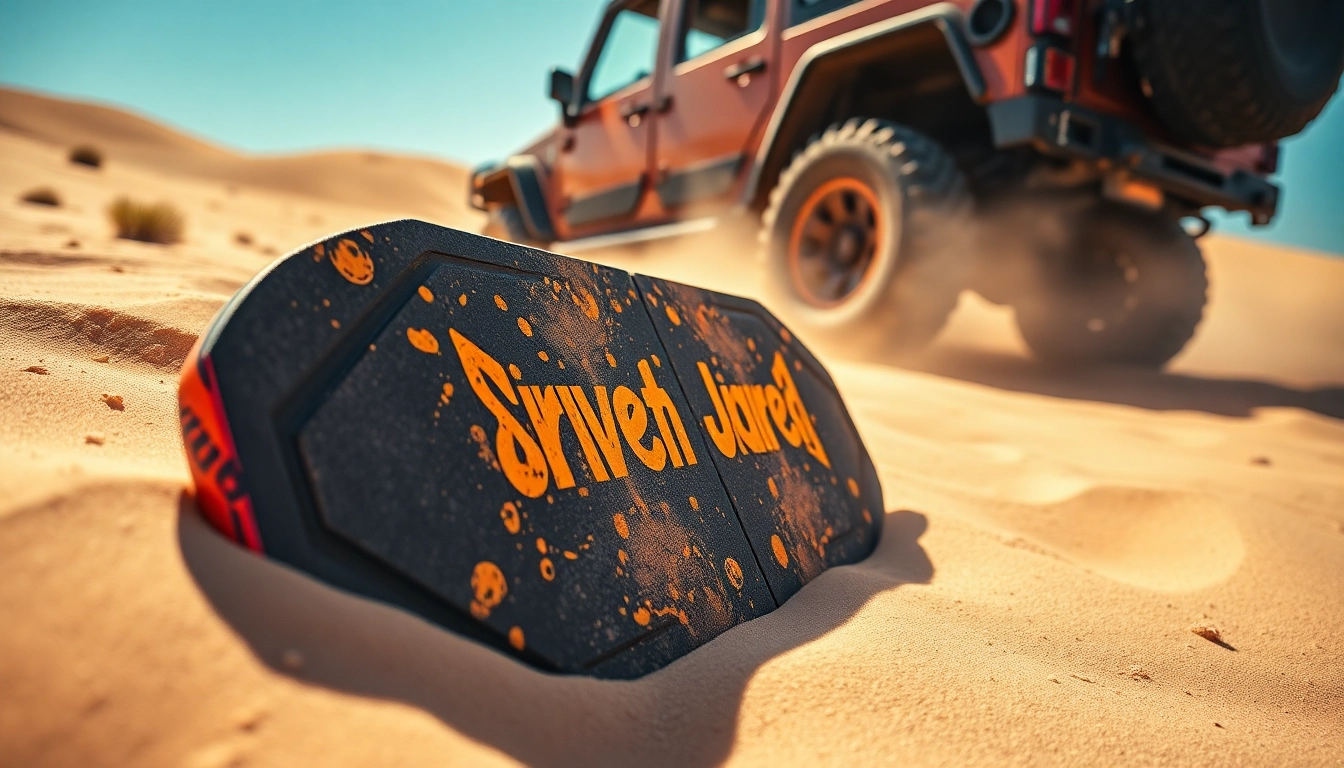
Introduction to Recovery Boards
When venturing into the great outdoors, particularly in off-road terrains, one of the most practical tools a person can have is a set of Recovery Boards. These versatile boards are designed to help vehicles regain traction when they become stuck in mud, sand, or snow. Understanding their functionality, benefits, and proper usage can significantly enhance your outdoor experiences and ensure safety on your adventures.
What Are Recovery Boards?
Recovery boards, also known as traction boards, are flat pieces of durable material designed to provide traction and support for vehicles that find themselves immobilized. These boards can be placed under the tires of a stuck vehicle, effectively creating a makeshift road that allows the vehicle to regain traction and continue its journey. Typically made from high-density polyethylene or similar materials, recovery boards are lightweight yet robust enough to withstand the pressure of heavy vehicles.
How Recovery Boards Work
The functionality of recovery boards hinges on their texture and design. Most recovery boards feature multiple cleats or traction steps. When positioned correctly under a tire, these cleats dig into the surface, providing the necessary grip needed to drive the vehicle out of mud, sand, or snow. As the tires rotate, they push against the boards, which in turn provides a stable platform for the vehicle.
Benefits of Using Recovery Boards
Utilizing recovery boards offers numerous benefits, particularly for off-road enthusiasts:
- Improved Safety: Recovery boards are invaluable in preventing dangerous situations that arise when vehicles get stuck.
- Easy to Use: They are straightforward to deploy, making them accessible for novice and experienced off-roaders alike.
- Transportable: Recovery boards are generally lightweight and compact, making them easy to transport and store in vehicles.
- Diverse Terrain Capability: Whether navigating through sand dunes or muddy trails, recovery boards are designed to tackle various terrains effectively.
Choosing the Right Recovery Boards
Selecting the appropriate recovery boards is critical to ensuring optimal performance and effectiveness in recovery situations. Here are key aspects to consider:
Factors to Consider when Selecting Recovery Boards
When choosing recovery boards, consider the following factors:
- Vehicle Weight: Different boards support different weight limits. It's essential to choose boards that can handle your vehicle's weight.
- Terrain Type: The terrain you'll be traversing greatly influences the type and design of recovery boards required. Sand and mud require boards with larger cleats, while snow might necessitate boards designed for freezing conditions.
- Storage Space: Ensure that the recovery boards fit comfortably in your vehicle without taking up too much space.
Material Types and Durability
Recovery boards come in various materials, mainly plastic, and metal. Plastic boards, such as those made from high-density polyethylene, are lightweight and resistant to corrosion, making them ideal for general use. Meanwhile, aluminum boards offer durability and extreme conditions resilience. Consider the trade-offs between weight, durability, and price when selecting materials.
Size Considerations for Recovery Boards
The size of recovery boards can significantly affect their effectiveness. Larger boards provide more surface area for traction, which can be beneficial for heavier vehicles. However, they may also be less transportable. Smaller boards are easier to stow but might not provide the support needed for larger vehicles. Assess the size that best fits your vehicle while ensuring they’re practical for storage and transportation.
Using Recovery Boards Effectively
Maximizing the efficiency of recovery boards involves strategic deployment and proper maintenance. Below are best practices and tips to ensure you make the most of this essential tool.
Best Practices for Deployment
To use recovery boards effectively, follow these steps:
- Assess the Situation: Establish the cause of immobility. Determine if the tires are spinning in sand, mud, or snow.
- Position the Boards: Place the recovery boards under the tires that are stuck, facing the direction you wish to move.
- Drive Slowly: Gradually accelerate while applying minimal throttle to allow the tires to grip the boards adequately.
- Monitor the Use: Maintain awareness of the terrain and other drivers and be ready to reposition the boards if necessary.
Common Mistakes to Avoid
While recovery boards are user-friendly, there are common pitfalls to avoid:
- Using Improperly Sized Boards: Misjudging the size of boards can lead to insufficient traction.
- Not Assessing Terrain: Ignoring the terrain type can result in poor recovery efforts.
- Over-accelerating: Driving too fast can lead to spinning tires, which may cause further entrapment.
Maintenance Tips for Longevity
To ensure your recovery boards last through many adventures, consider the following maintenance tips:
- Cleaning: Rinse off dirt and debris after each use. This prevents damage and keeps traction consistent.
- Storage: Store them in a cool, dry place away from direct sunlight to prevent warping.
- Regular Inspection: Check for any signs of wear or damage before heading out on trips. Early detection of cracks or breaks can avert mishaps.
Real-World Applications of Recovery Boards
Understanding how recovery boards perform in real-world scenarios can highlight their importance in off-roading. Here are some practical applications and success stories demonstrating their value:
Recovery Boards in Different Terrains
Recovery boards are uniquely designed for various terrains:
- Sand: The wide surface area provides superb support, enabling vehicles to climb out effortlessly.
- Mud: The cleated design digs into mud, providing the necessary traction needed.
- Snow: Specific models are designed for snowy terrains, ensuring trapped vehicles regain traction quickly.
Success Stories from Off-Road Users
Countless off-road enthusiasts have shared success stories where recovery boards played a vital role:
One user recounted a camping adventure where their vehicle became stuck in a sandy dune. After deploying recovery boards, the vehicle regained traction effortlessly, enabling them to continue their journey to the campsite.
Another story from a winter sports enthusiast highlighted the use of recovery boards in snow-covered mountains. With the boards, the trapped SUV was quickly released, allowing the group to proceed safely.
Emergency Situations and Recovery Boards
Recovery boards can be lifesavers in emergency situations. Their deployment offers rapid response capabilities when vehicles become trapped. Carrying these boards can prevent exponential delays in reaching help, especially in remote areas, providing peace of mind for adventurers.
FAQs about Recovery Boards
What Are the Benefits of Recovery Boards?
Recovery boards assist vehicles in regaining traction in mud or sand, preventing being stuck and are essential for off-roaders.
How Do You Use Recovery Boards?
Place the boards under the tires in a stuck position; drive slowly onto the boards to regain traction effectively.
Are All Recovery Boards the Same?
No, they vary in material, size, and grip patterns. Choose one suited to your vehicle’s weight and terrain type.
Can Recovery Boards Damage My Vehicle?
When used correctly, recovery boards will not damage your vehicle. Adhering to guidelines ensures safe usage.
How Do I Maintain My Recovery Boards?
Clean them after use and store them in a cool, dry place to avoid warping and degradation over time.