Understanding Structural Steel Installation
What is Structural Steel Installation?
Structural steel installation refers to the process of assembling steel components to create the framework of buildings, bridges, and other infrastructures. This construction method leverages steel's strength, durability, and versatility, making it a popular choice among engineers and architects. The process includes various stages, such as fabrication, transportation, and erection of steel members at the job site. Effective structural steel installation is critical for ensuring structural integrity and safety.
Importance of Structural Steel in Construction
The importance of structural steel in construction cannot be overstated. Its high strength-to-weight ratio allows for larger structures with less material, reducing overall costs and improving efficiency. Additionally, structural steel is resistant to many environmental factors, such as fire, wind, and moisture, which enhances its durability and longevity. Moreover, its ease of prefabrication leads to quicker assembly times on-site, minimizing labor costs. As a result, many contemporary architectural designs utilize structural steel to achieve bold, innovative structures.
Key Components of Structural Steel Installation
Key components of structural steel installation include various types of steel sections like beams, columns, trusses, and connections such as bolts and welds. Each component serves a specific role within the framework, contributing to the overall structural performance. Beams and columns support loads, while trusses distribute weight evenly across a span. Furthermore, connection methods, whether welds or mechanical fasteners, are essential for maintaining the integrity and flexibility of the structure, allowing it to respond effectively to dynamic forces.
Preparing for Structural Steel Installation
Site Assessment and Planning
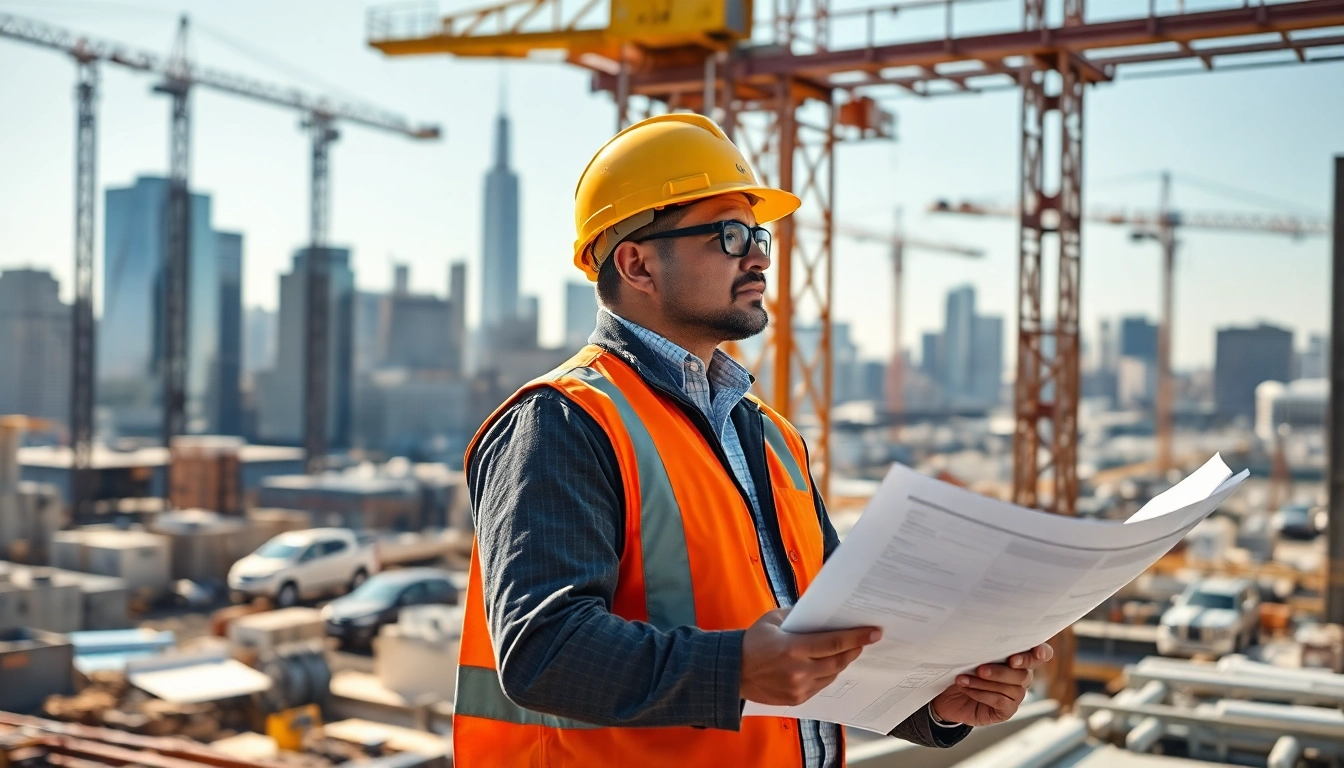
Before commencing structural steel installation, a thorough site assessment is crucial. This involves evaluating the soil conditions, existing structures, and geographical considerations. A site manager should compile this data to create a comprehensive installation plan that outlines the sequence of operations and resource allocation. Effective planning helps streamline the installation process, reduces the likelihood of delays, and ensures compliance with regulatory standards.
Tools and Equipment Needed
The installation process requires various tools and equipment to ensure efficiency and safety. Essential items include cranes for lifting heavy steel components, welding machines for creating permanent connections, and hand tools for precise adjustments. Additionally, personal protective equipment (PPE) such as helmets, gloves, and harnesses is paramount for safety on-site. A proper inventory and maintenance schedule for tools contribute to minimizing downtime during the installation process.
Safety Protocols for Installation
Safety is paramount during structural steel installation due to the risks associated with heavy lifting and working at heights. Establishing a robust safety protocol includes conducting pre-installation safety meetings, providing ongoing training, and creating an emergency response plan. Regular safety audits should be performed to identify potential hazards and implement corrective actions. Ensuring that all workers adhere to safety guidelines is essential for protecting personnel and reducing liability.
Techniques for Effective Structural Steel Installation
Standard Installation Procedures
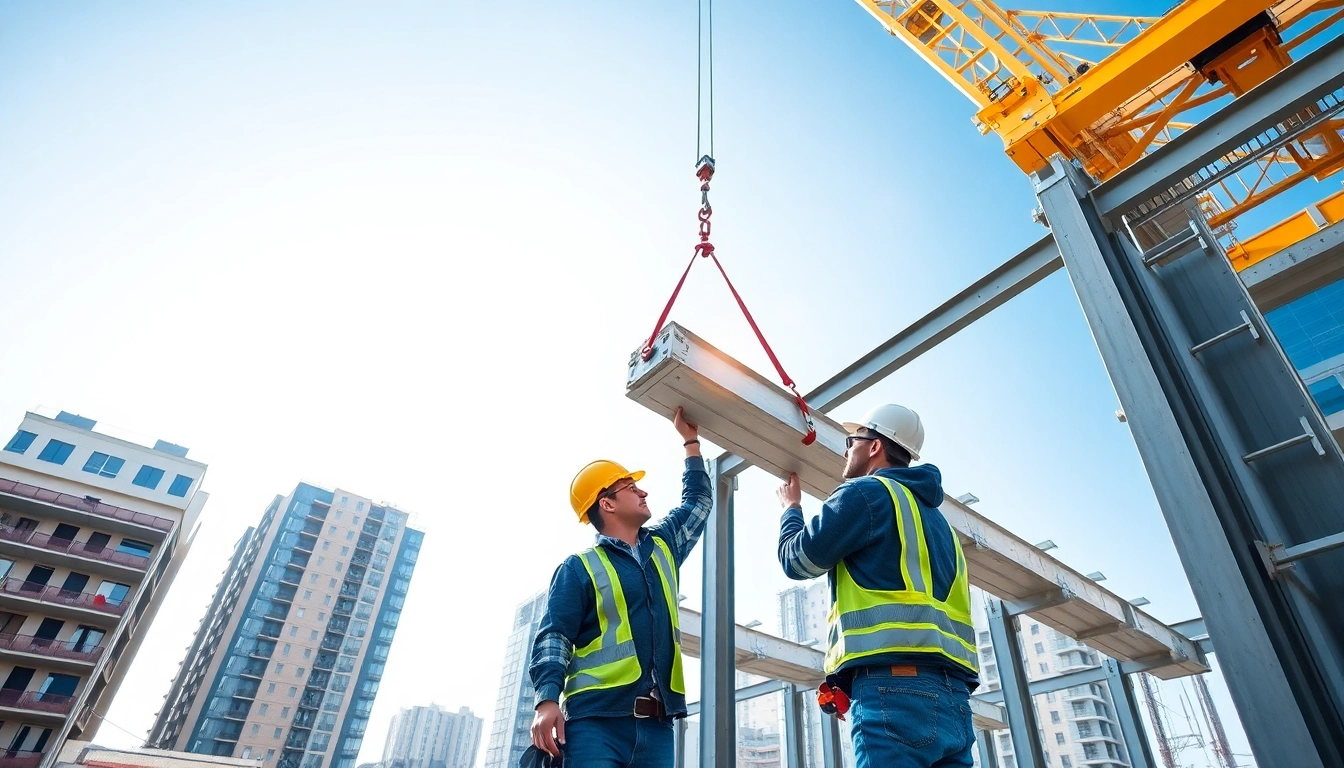
Standard installation procedures begin with marking and laying out the foundations according to structural specifications. Next, steel members are delivered to the site, and cranes position them accurately. The installation typically follows a bottom-up approach, starting with columns, followed by beams and decking, to create a stable framework. This sequential approach ensures that the architecture remains on schedule while adhering to design specifications and safety standards.
Advanced Connection Methods
Advanced connection methods, such as moment connections and shear connections, play a vital role in enhancing the structural integrity of installations. Moment connections allow for the transfer of bending moments between connected components, while shear connections are designed primarily to resist vertical forces. Selecting the appropriate connection method based on load requirements increases the overall performance of the structure, particularly in areas prone to seismic activity and high winds.
Quality Control Measures
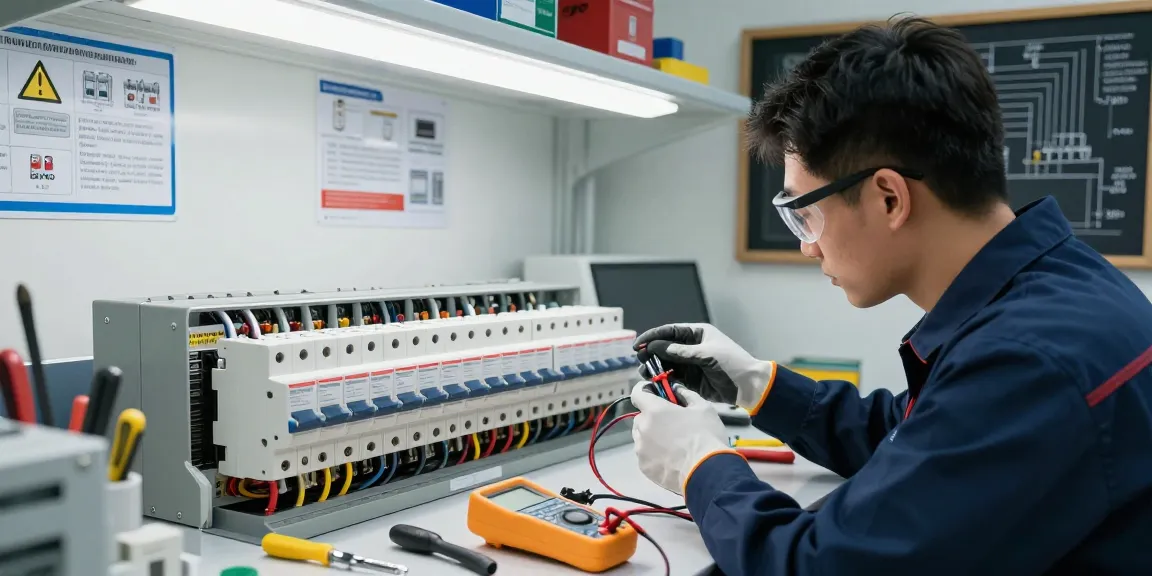
Quality control measures during steel installation ensure that each component meets required standards. This includes rigorous inspections of materials upon delivery and during installation. Non-destructive testing methods like ultrasonic or radiographic testing can be employed to detect flaws in welds or materials. By instituting a quality management system, teams can enhance the final outcomes, reduce costly reworks, and deliver a safer, more reliable structure.
Common Challenges in Structural Steel Installation
Weather-Related Delays
Weather-related delays are a common challenge in structural steel installation, particularly when dealing with rain, snow, or strong winds. To mitigate these delays, builders should establish a clear timeline that includes buffer periods to account for unpredictable weather. Additionally, scheduling critical lifting operations during favorable weather conditions, and utilizing protective coverings can significantly reduce potential setbacks.
Handling Heavy Materials
Handling heavy materials is another challenge that requires careful planning and execution. Crane operators and riggers must be well-trained and coordinated to ensure safe lifting and placement of heavy steel members. Implementing a clear communication system and utilizing technology, such as load monitoring sensors and 3D modeling, can help optimize the handling process and improve safety while maintaining efficiency on-site.
Coordinating with Other Trades
Coordinating with other trades on a construction site is vital for successful structural steel installation. Conflicts can arise when schedules overlap or when the work of one trade interferes with another. To avoid this, project managers should create detailed work schedules that outline each phase of construction and coordinate meetings between trades to discuss progress and address potential conflicts. Effective collaboration is key to ensuring that the project stays on track.
Evaluating the Success of Structural Steel Installation
Performance Metrics and Standards
Evaluating the success of structural steel installation can be achieved using specific performance metrics and standards. These might include monitoring structural load capacity, inspecting alignment tolerances, and assessing compliance with industry standards, such as those set by the American Institute of Steel Construction (AISC). Continuous feedback loops and post-installation assessments help identify areas for improvement, ensuring all future installations meet or exceed expectations.
Case Studies of Successful Installations
Case studies of successful structural steel installations illustrate best practices and innovative approaches to challenges. For example, analyzing a complex high-rise building project that employed modular construction techniques can showcase how prefabricated elements expedited installation, reduced waste, and improved overall structure integrity. These case studies provide valuable insights for future projects and contributions to best practice methodologies in the industry.
Future Trends in Structural Steel Usage
The future of structural steel usage is poised for growth, driven by advancements in technology and construction practices. Innovations such as the integration of artificial intelligence in design and fabrication processes, along with the use of sustainable materials, are expected to shape the industry. Additionally, the increasing demand for smart buildings with energy-efficient features will likely promote further adoption of structural steel due to its strength and versatility.
Frequently Asked Questions
What is structural steel used for?
Structural steel is primarily used to create the framework for buildings, bridges, and other structures due to its strength, durability, and cost-effectiveness.
How is structural steel connected?
Structural steel is typically connected using welded joints, bolts, or rivets, depending on the engineering requirements and load conditions.
What are the benefits of using structural steel?
The benefits of using structural steel include high strength-to-weight ratio, resistance to environmental factors, and ease of prefabrication, leading to quick assembly.
What challenges arise during installation?
Challenges during structural steel installation can include weather-related delays, handling heavy materials safely, and coordinating with other trades on-site.
What are the future trends in structural steel?
Future trends in structural steel include increased use of smart technologies, sustainability initiatives in material selection, and improved design methodologies through AI.