Understanding Fly Fishing Boots
Definition and Purpose of Fly Fishing Boots
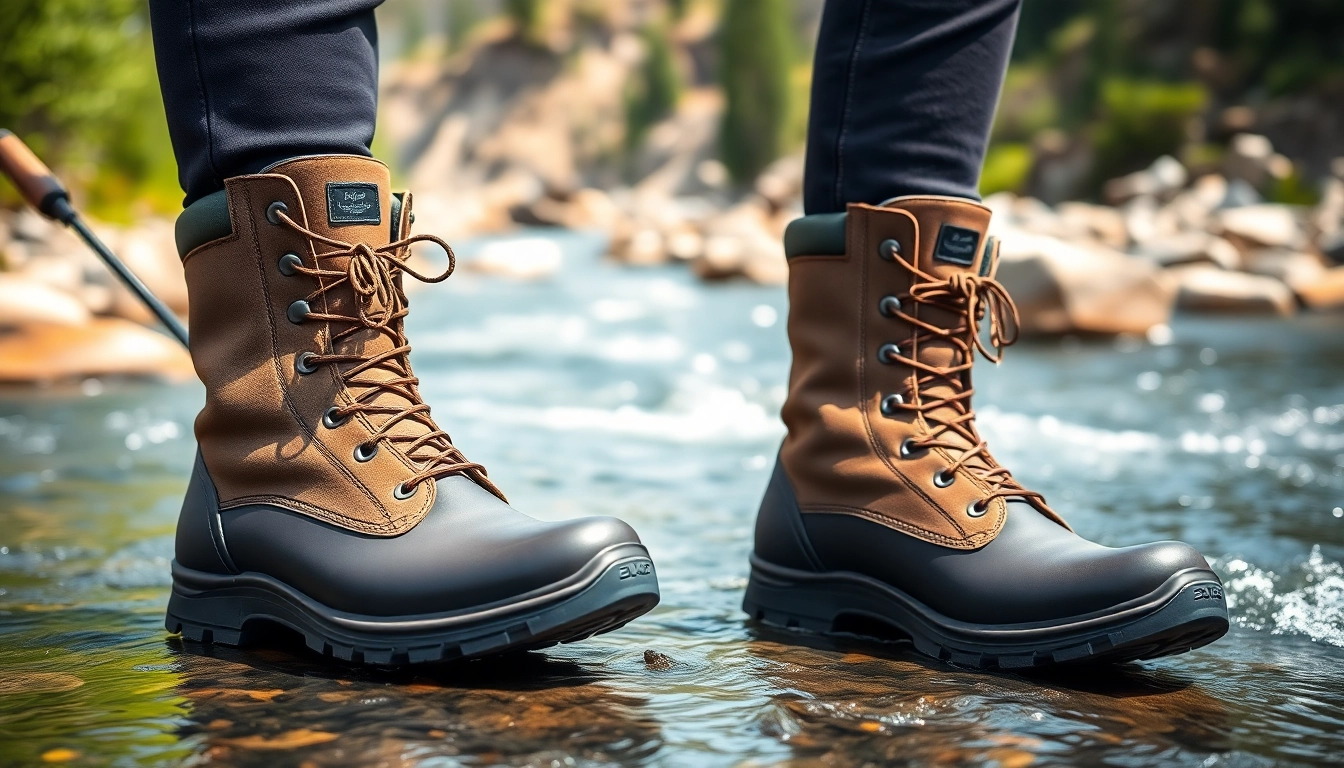
Fly fishing boots are specialized footwear designed for anglers who practice fly fishing, providing crucial support, protection, and stability while navigating various aquatic environments. These boots serve two primary functions: keeping the feet dry and providing traction on slippery surfaces like rocks and algae-covered riverbeds. A proper pair of fly fishing boots not only enhances comfort but also reduces the risk of accidents, making them an essential piece of equipment for any fly fisherman.
Different Styles of Fly Fishing Boots
Fly fishing boots come in a variety of styles to cater to the diverse needs and preferences of anglers. The two main categories are wading boots and wet wading boots:
- Wading Boots: These are designed for anglers who wade deep into waters to reach their fishing spots. Wading boots generally come with reinforced soles, ankle support, and often incorporate felt or rubber soles to provide optimal grip.
- Wet Wading Boots: Ideal for warmer weather, these boots are lighter and designed for anglers who fish in shallow waters. They usually have better drainage and drying capabilities.
Choosing the right style significantly affects your performance on the water and enhances your fishing experience.
Importance of Comfort and Fit
The comfort and fit of fly fishing boots cannot be overstated. An ill-fitting boot can lead to blisters, fatigue, and even injuries. The best approach is to try on boots with the socks you plan to wear while fishing. Pay attention to the following aspects when testing for fit:
- Heel Fit: The heel should not slip when you walk. A snug fit provides better control and stability.
- Toe Space: Ensure there is enough space for your toes to wiggle, reducing the risk of cramping during extended use.
- Arch Support: Choose boots with adequate arch support, especially if you plan on spending long hours on your feet.
Materials Used in Fly Fishing Boots
Common Fabrics and Their Benefits
Fly fishing boots are constructed from various materials that enhance durability, comfort, and functionality. Some commonly used fabrics include:
- Neoprene: Known for its excellent insulation and waterproof properties, neoprene is often used in wet wading boots for added warmth and comfort.
- Synthetic Mesh: Lightweight and breathable, it helps in quick drying and provides ventilation during warm weather.
- Leather: While not as lightweight as synthetic options, leather boots offer superior durability and protection against abrasions.
- Nylon: A popular choice for its lightweight nature and quick-drying capabilities, nylon is often layered with protective coatings for added resilience.
Comparing Sole Types: Felt vs. Rubber
When it comes to the soles of fly fishing boots, the choice typically boils down to felt or rubber. Each type presents its advantages and potential drawbacks:
- Felt Soles: Excellent for grip on wet and slippery surfaces, felt soles are favored by many anglers in freshwater. They allow easy navigation on algae-covered rocks, enhancing stability.
- Rubber Soles: More versatile than felt, rubber soles offer good traction on various surfaces, including trails and dry land. They are also easier to clean, minimizing the risk of transferring invasive species.
Ultimately, the choice between felt and rubber can depend on the specific conditions of the waters you are fishing and personal preference.
Waterproofing Technologies in Fly Fishing Boots
Waterproofing is a critical aspect of fly fishing boots, as it keeps your feet dry and comfortable. Various technologies exist, including:
- Gore-Tex: A well-known waterproof membrane that allows breathability while keeping water out, Gore-Tex is a top choice for many serious anglers.
- Water-Resistant Coatings: Some boots feature specialized coatings that repel water but may not offer the same long-term protection as Gore-Tex.
- Sealed Seams: Boots with sealed seams provide an extra barrier against water ingress, further enhancing their waterproof capabilities.
Key Features to Enhance Your Experience
Traction and Grip: What to Look For
Good traction is foundational to any quality fly fishing boot. Look for features that enhance grip and stability:
- Multi-Directional Lugs: Soles with multi-directional lugs provide better grip on uneven surfaces and help in quick directional changes while walking.
- Interchangeable Outsoles: Some advanced boots offer interchangeable outsole systems, allowing anglers to customize traction based on specific conditions.
Support and Stability Features
Support and stability features contribute significantly to the wearer's overall comfort and safety:
- Ankle Support: Look for boots featuring a high-cut design that offers added ankle support, which is essential for navigating rocky terrains.
- Reinforced Toe Caps: Boots with reinforced toe caps provide protection from impact and abrasion, especially when walking on rocky riverbeds.
Draining and Drying Technology
Effective drainage and drying technology are crucial for maintaining comfort during and after fishing trips. Features to consider include:
- Drainage Ports: Boots designed with drainage ports allow water to escape quickly, reducing weight and minimizing the chance of water pooling inside.
- Quick-Drying Materials: Select boots made from materials that dry rapidly to help prevent the growth of mold and bacteria.
Reviews and Recommendations
Top Rated Fly Fishing Boots on the Market
When selecting fly fishing boots, it’s valuable to consider those highly rated by other anglers. Features such as comfort, durability, and performance are frequently highlighted in reviews:
- Comfort: Many users prioritize comfort, especially for longer fishing sessions. Look for boots that have positive feedback in this area.
- Durability: Highly rated models often mention the longevity of materials and resistance to wear and tear.
- Performance: Boots that excel in traction, stability, and waterproofing receive higher ratings from users.
Budget vs. Premium Choices
When considering your investment in fly fishing boots, evaluate your budget and how much you are willing to spend. While budget options are available, premium boots often offer superior materials, construction, and features:
- Budget Boots: Generally more affordable, these can be suitable for casual anglers or those just starting.
- Premium Boots: While they come at a higher price, the investment often pays off in terms of durability, comfort, and advanced technology.
User Reviews: Real-life Experiences
Real-life experiences shared by users can shed light on the effectiveness and reliability of various boot options. Engaging in community discussions or reading detailed reviews on fishing forums can provide insights on:
- Performance in Different Conditions: Users often share how their boots perform in various water types and weather conditions.
- Comfort Over Extended Use: Feedback on how the boots hold up after long hours on the water can inform potential buyers.
- Overall Satisfaction: End-user satisfaction is a valuable indicator of quality and reliability.
Care and Maintenance for Longevity
Cleaning Tips for Fly Fishing Boots
To extend the life of your boots, proper cleaning is essential. Follow these cleaning tips:
- Rinse After Each Use: Always rinse off mud, sand, and debris after each fishing trip to prevent material degradation.
- Use Mild Detergents: When needed, use a mild detergent and soft brush to clean more stubborn stains.
- Air Dry: Allow your boots to air dry naturally, avoiding direct sunlight or heat sources that can cause cracking.
Storage Recommendations
Storing your fly fishing boots properly is also important for maintaining their shape and functionality:
- Cool, Dry Place: Store boots in a cool, dry area away from direct sunlight to prevent degradation of materials.
- Use Boot Trees: If possible, consider using boot trees or stuffing them with newspaper to help them retain their shape.
Repairing Damages: When to Seek Professional Help
Over time, even the best fly fishing boots may require repairs. Some common issues and repair solutions include:
- Leaky Seams: If you notice any leaks, reinforcing seams with specialized waterproof tape can serve as a temporary fix until professional repair is possible.
- Sole Separation: For boots with removable soles, reattaching them with strong adhesive might provide a solution; however, seeking professional help is advisable if they are permanently attached.
- Mold and Mildew: Thorough cleaning and occasional preventive treatments can help avert these problems, ensuring your boots remain in top condition.
In conclusion, selecting the right pair of Fly fishing boots is crucial for enhancing your fishing experience. From understanding the essential features and materials to reviewing care techniques, this comprehensive guide provides the information needed to make an informed decision and enjoy every fishing excursion with confidence and comfort.