
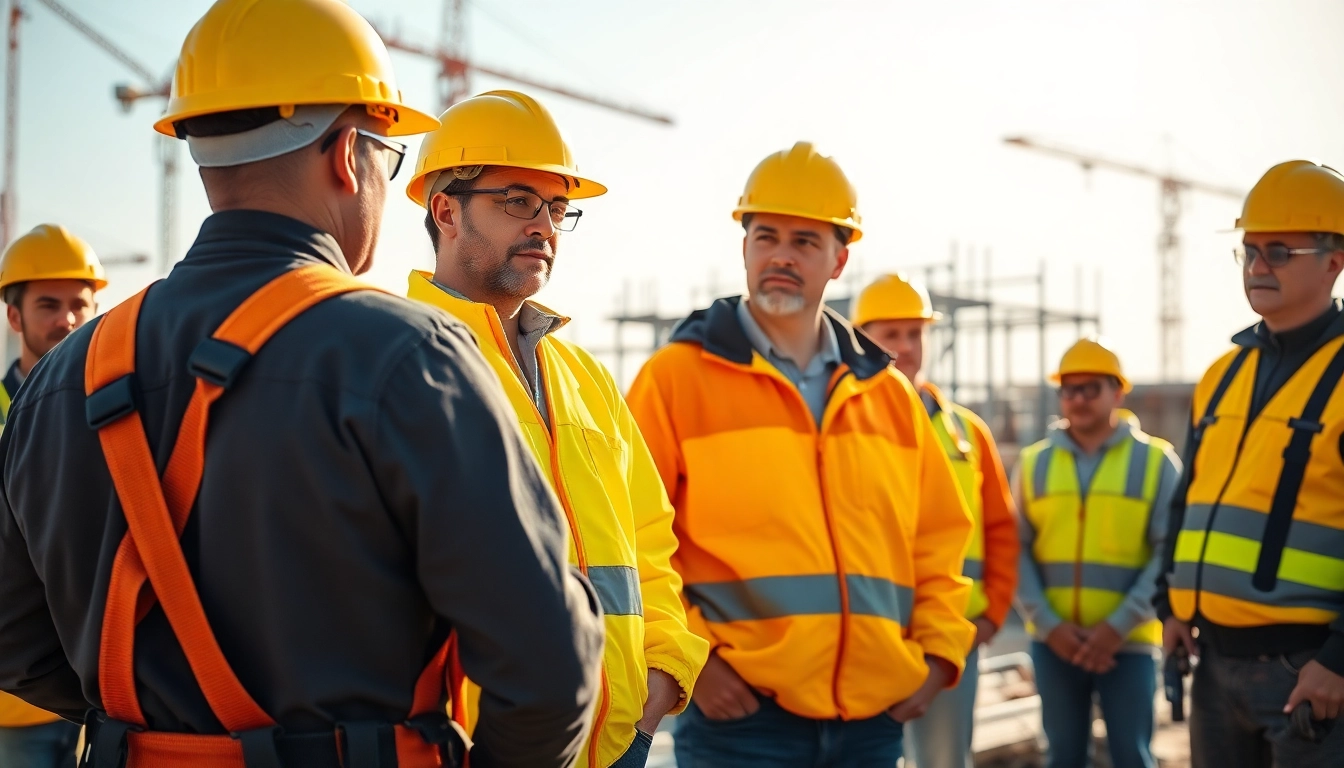
Understanding the Importance of Construction Safety Training
Defining Construction Safety Training
Construction safety training refers to the systematic process of educating workers, supervisors, and management about safe practices, regulations, and standards specific to construction sites. It incorporates a broad range of practices intended to minimize risk and enhance workplace efficiency, covering everything from personal protective equipment (PPE) usage to emergency response procedures. Effective construction safety training shapes a culture of safety that extends beyond compliance; it becomes a fundamental part of operational excellence.
Common Hazards on Construction Sites
Construction sites are inherently risky environments filled with various potential hazards. Some of the most common threats include:
- Fall Hazards: Falls from heights remain one of the leading causes of fatalities in the construction industry. Whether due to insecure scaffolding, unguarded edges, or inadequate fall protection systems, the risk is ever-present.
- Electrical Hazards: Improperly installed wiring, exposed live wires, and equipment malfunctions can lead to severe electrical shocks, burns, and even fatalities.
- Heavy Machinery Accidents: Operating heavy machinery without proper training can result in catastrophic accidents, including crush injuries and fatalities.
- Hazardous Materials: Workers may encounter various toxic substances such as asbestos, solvents, or silicates, which can lead to serious health issues if not handled correctly.
- Safety Equipment Failures: Inadequate body protection, respiratory gear, and other PPE can compromise worker safety significantly.
The Impact of Effective Training
Effective construction safety training has far-reaching benefits. It not only reduces the incident rate of workplace accidents but also cultivates a proactive culture of safety awareness. Investing in comprehensive training leads to:
- Reduced Injuries and Fatalities: Organizations implementing robust training programs observe a substantial decrease in workplace incidents.
- Increased Worker Morale: Employees are more likely to feel valued when their safety is prioritized, leading to higher job satisfaction and productivity.
- Enhanced Compliance: Training helps firms comply with Occupational Safety and Health Administration (OSHA) standards, mitigating legal and financial risks.
- Improved Efficiency: A well-trained workforce operates more effectively, understanding safety protocols that enable them to complete tasks without mishap.
Types of Construction Safety Training Programs
Site-Specific Safety Orientation
Site-specific safety orientation provides training tailored to the unique hazards present at a particular construction site. New employees and visitors must undergo this orientation before they start work. This program covers site layout, emergency procedures, and specific risks associated with that environment, ensuring that all personnel are aware of the potential dangers and the proper safety measures in place to mitigate their impact.
General Safety Training Courses
General safety training courses encompass a broad range of topics applicable to the construction industry, providing foundational knowledge in essential safety practices. Examples include:
- Basic first aid and CPR
- Understanding OSHA regulations
- PPE selection and usage
- Fire safety and emergency evacuation procedures
These courses serve as a vital introduction to safety, equipping workers with knowledge that can be applied across various job sites.
Advanced Safety Certifications
For employees seeking to advance their safety expertise, various advanced certifications are available. These programs, such as the OSHA 30-hour for construction or Certified Safety and Health Manager (CSHM), delve deeper into risk management methodologies, compliance strategies, and emergency preparedness training. With advanced knowledge, certified professionals are often better equipped to lead safety initiatives and mentor other team members, enhancing the overall safety culture within their organization.
Implementing a Construction Safety Training Program
Assessing Training Needs
Before implementing a training program, it’s vital to conduct a thorough assessment of training needs. This analysis involves identifying potential risks inherent to specific job roles, existing knowledge gaps among employees, and compliance requirements defined by regulatory bodies. Engaging in open dialogues with staff and site managers can yield valuable insights into what training will be most beneficial.
Designing an Effective Curriculum
Building an effective training curriculum requires collaboration with safety professionals, skilled trainers, and workers themselves. Curriculum design should consider factors such as:
- Target audience and skill levels
- Regulatory compliance and certification requirements
- The introduction of interactive and hands-on training methods
- The integration of real-world scenarios and case studies for practical learning
Such thoughtful curriculum design not only covers necessary knowledge but also engages learners effectively, boosting retention rates.
Choosing the Right Training Delivery Methods
The delivery method established for training plays a significant role in its effectiveness. Options include:
- In-Person Training: This method allows for personal interaction and hands-on practice, which can enhance understanding and retention.
- Online Learning: Offers flexibility and accessibility for employees across various locations, making it easier to schedule without significant downtime.
- Hybrid Approaches: Combine online and in-person training, catering to different learning preferences while maximizing resource efficiency.
Selecting the appropriate method, dependent on workforce dynamics, learning styles, and available resources, is crucial for successfully imparting safety knowledge.
Measuring the Effectiveness of Safety Training
Performance Metrics to Consider
To ascertain the effectiveness of safety training programs, organizations should implement quantifiable performance metrics. Common metrics include:
- The reduction in the number of accidents and near-misses
- Employee satisfaction and feedback on the training experience
- Compliance audit outcomes post-training
- Retention of key safety concepts (assessed through assessments and surveys)
Collecting and analyzing this data will both demonstrate training's effectiveness and identify areas for further improvement.
Feedback Mechanisms for Continuous Improvement
A robust feedback mechanism plays a pivotal role in improving training programs. This may involve surveys that gauge employee understanding and perceptions of training relevance. Conducting follow-up meetings and insights based on performance data are also key for continual enhancement of the safety program. Encouraging an open culture where employees feel comfortable sharing feedback allows organizations to adjust training content and methods dynamically.
Addressing Training Gaps
Identifying and addressing training gaps is essential for a thriving safety culture. Organizations should regularly review training materials and processes against emerging industry standards and technologies. Recurring workshops and refresher courses for seasoned employees, as well as onboarding training for new hires, can ensure that no gaps in knowledge compromise safety. Taking a proactive approach can significantly enhance the overall effectiveness of a safety training program.
Frequently Asked Questions About Construction Safety Training
What is construction safety training?
Construction safety training involves educating workers about hazards, safety practices, and compliance necessary for maintaining a safe work environment on construction sites.
Why is safety training important in construction?
Safety training is crucial as it reduces accidents, fosters a culture of safety, ensures legal compliance, and enhances employee morale and productivity.
How often should safety training be conducted?
Safety training should be conducted regularly, with initial training upon hiring, ongoing training after significant changes, and refresher courses at least annually.
What topics should be included in safety training?
Topics should cover basic safety practices, hazard recognition, emergency procedures, use of equipment, and specific regulations relevant to the construction industry.
Are there certifications available for construction safety training?
Yes, various certifications are available, including OSHA certifications and specialized safety training programs designed for different roles within the construction industry.