
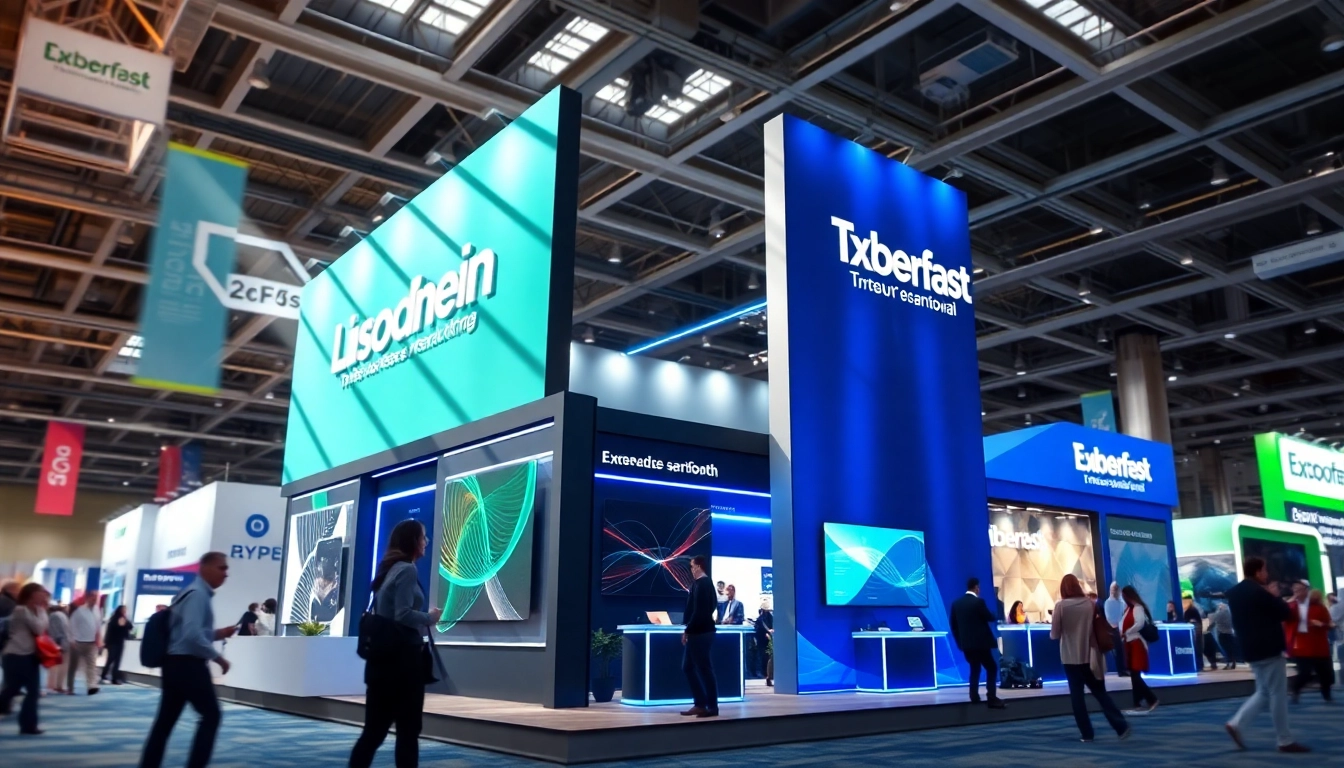
Understanding the Essentials of a Trade Show Booth
Trade shows serve as vital platforms for businesses to showcase their products and services, network with potential clients, and strengthen brand visibility. A well-designed trade show booth is an essential tool in achieving these goals. Not only does it create a physical space that draws in attendees, but it also conveys the brand's message and interacts with customers in meaningful ways.
The Purpose and Benefits of a Trade Show Booth
The primary purpose of a trade show booth is to attract attention. A compelling booth engages visitors, prompting them to learn more about offerings. The benefits extend beyond immediate sales; these booths facilitate relationship building, market research, and brand reinforcement. Engaging visually and interactively, a trade show booth sets the tone for a potential long-term relationship with customers.
Key Elements of an Effective Trade Show Booth
An effective trade show booth combines several key elements:
- Visual Appeal: Bright colors, attractive designs, and dynamic layouts catch the eye.
- Branding: Incorporating logos and taglines helps attendees associate the booth with the brand.
- Functionality: Space for demonstrating products and engaging with visitors must be prioritized.
- Interactive Components: Integrating elements such as touch screens or live demos can enhance attendee engagement.
- Clear Messaging: Signs should succinctly communicate values and offerings.
User Experience Considerations for Your Trade Show Booth
Creating a positive user experience in your trade show booth is critical. Consider how attendees will navigate the space and interact with your team. Think about accessibility and ensure that your booth can accommodate wheelchair users or folks with limited mobility. Furthermore, offering comfortable areas for discussions, brochures, or refreshments can extend visitor duration at your booth.
Designing Your Trade Show Booth: Best Practices
Choosing the Right Layout for Your Trade Show Booth
The layout of your booth plays an integral role in its effectiveness. Common layouts include inline, peninsula, and island configurations. Each layout has distinct characteristics and implications for visitor flow:
- Inline Booths: These are positioned in a straight line, typically offering limited interaction but easier access to foot traffic.
- Peninsula Booths: These booths have three sides open for engagement, allowing for more interaction yet may require a deeper design strategy.
- Island Booths: Full encapsulation on all sides encourages maximum engagement but demands a strong visual statement that stands out.
Choose a layout that aligns with your goals, whether maximizing foot traffic or encouraging longer discussions.
Color Schemes and Branding for Maximum Impact
The color scheme selected for your trade show booth can significantly influence attendee perception. Colors evoke emotional responses and can reinforce branding. Consider the psychological impacts of colors when designing your booth:
- Blue: Represents trust and dependability.
- Green: Associated with growth and health.
- Red: Evokes excitement and urgency.
- Yellow: Conveys optimism and youthfulness.
Ensure your color palette aligns with your brand identity while also appealing to your target audience.
Incorporating Multimedia into Your Trade Show Booth
Multimedia elements such as videos, slideshows, and interactive touchscreens serve dual purposes: capturing attention and conveying information. A well-placed video can explain complex products in a short amount of time and keep attendees engaged. Additionally, ensure that the audio is clear yet not distracting to nearby booths.
Budgeting for Your Trade Show Booth Setup
Estimating Costs: What to Consider
Budgeting for a trade show booth involves several key considerations. Begin by breaking down the costs associated with booth design, equipment rental, and construction:
- Booth Design: Costs can vary based on custom designs versus pre-made options.
- Rental vs. Purchase: Evaluate the cost-effectiveness of renting equipment versus purchasing it outright based on your exhibition frequency.
- Logistics: Don't underestimate shipping costs and transportation of booth materials.
Having a detailed budget will prevent surprises and allow for more strategic allocation of resources.
Cost-Effective Materials for Your Trade Show Booth
Utilizing cost-effective materials does not mean sacrificing quality. Options such as tension fabric displays, modular systems, and lightweight materials like aluminum can reduce costs while maintaining aesthetic appeal. Prioritize durability and ease of assembly to maximize your investment.
Maximizing ROI from Your Trade Show Booth Investment
Maximizing return on investment requires measuring outcomes against costs. Set clear objectives such as lead generation numbers or follow-up meetings scheduled. Moreover, utilize tools such as lead retrieval systems that allow for easy collection of contact information, ensuring you can nurture those leads post-event.
Marketing Strategies to Promote Your Trade Show Booth
Pre-Event Promotions to Draw Attention
Generating excitement about your trade show booth begins well before the event. Utilize email marketing and social media to inform potential attendees about what to expect at your booth:
- Email Newsletters: Encourage subscribers to visit your booth by outlining special promotions or events happening at the show.
- Social Media Teasers: Share sneak peeks of what to expect at the booth, perhaps revealing new products or services.
- Partnerships: Collaborate with other businesses or sponsors to cross-promote through their networks.
Establish hype and anticipation to ensure foot traffic during the show.
Engagement Techniques During the Event
Once at the trade show, keeping attendees engaged is crucial. Consider techniques such as offering interactive experiences, contests, or demonstrations:
- Live Demos: Showing how products work can often convert interest into sales.
- Contests/Giveaways: Offering prizes can lure attendees into your booth and encourage sharing on social media.
- Meet-and-Greets: Invite thought leaders or influencers in your industry to attract crowds to your booth.
Engaging visitors will enhance their experience and extend their time spent at your booth.
Post-Event Follow-Up Strategies
The work does not end once the trade show concludes. Properly following up with leads is vital to capitalize on the connections made:
- Thank You Emails: Send personalized thank you messages to attendees who visited your booth.
- Surveying Attendees: Request feedback about their experience at your booth to identify areas for improvement.
- Exclusive Offers: Target leads with special promotions only available to trade show attendees.
Leverage this opportunity to reopen conversations and foster relationships built during the event.
Evaluating the Success of Your Trade Show Booth
Metrics to Measure Trade Show Booth Performance
Evaluating the success of your trade show booth involves analyzing various metrics such as:
- Lead Count: How many leads were generated during the event?
- Engagement Levels: Track interactions such as digital downloads or booth visits.
- Sales: Measure immediate sales made during or as a result of the event.
Use these metrics to assess the effectiveness of your strategy and determine if any changes are necessary for future events.
Gathering Feedback from Attendees
Attendee feedback serves as a critical tool for improvement. Consider conducting surveys or personal interviews to understand attendees’ perceptions of your booth. Ask questions regarding what they found appealing or where they felt improvements could be made. This feedback will be invaluable for refining future booth designs and strategies.
Improving Future Trade Show Booth Designs
Each trade show provides new learning opportunities. Utilize the insights gained from metrics and attendee feedback to inform future designs. Focus on enhancing aspects that drew positive reactions while addressing any issues noted during evaluations. Iteratively refining your booth design will ensure that you remain competitive in the evolving landscape of trade show marketing.