Understanding Steel Structure Design
Steel structure design is a specialized field of structural engineering that focuses on the design and analysis of frameworks made primarily from steel. This process is crucial in various constructions, from residential buildings to large industrial complexes. The effectiveness of steel structures stems from their strength, durability, and versatility, making them a preferred choice in modern architecture. In this article, we will delve into the fundamentals of steel structure design, exploring vital components, principles, techniques, tools, and future trends that shape this engineering domain.
What is Steel Structure Design?
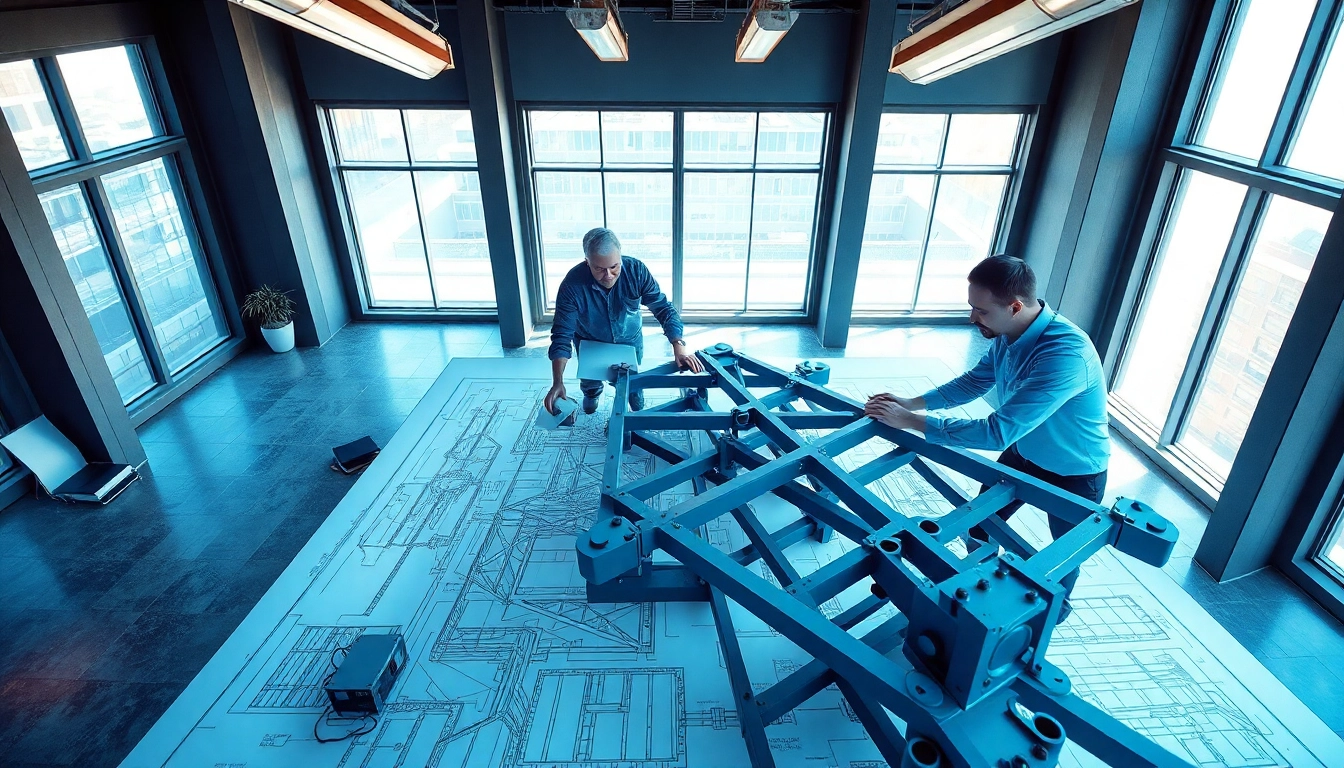
Steel structure design refers to the systematic process of planning the layout and components of a structure made from steel. It encompasses architectural design, the development of structural concepts, and verifying the strength and stability of the resulting framework. The primary objective is to ensure that the structure can safely bear the loads imposed upon it while maintaining the desired form and function.
Key Components of Steel Structures
Understanding steel structures starts with familiarity with their key components, which include:
- Beams: Horizontal elements designed to support loads, transferring them to vertical columns.
- Columns: Vertical supports that bear the weight of beams and roofs, transferring loads to the foundation.
- Connection Elements: Parts like bolts, welds, and gussets that join beams and columns, ensuring stability and integrity.
- Bracing Systems: Diagonal supports that enhance the rigidity of the structure, helping to resist lateral forces such as wind or earthquakes.
- Footings: Bases or pads that distribute the load of the structure to the ground.
The Importance of Design Codes and Standards
Design codes and standards are essential in steel structure design, ensuring safety and consistency in construction practices. Codes vary by region but typically address load specifications, material properties, and construction methods. Adhering to these regulations helps mitigate risks and guarantees the durability and safety of the constructed steel framework.
Principles of Effective Steel Structure Design
Load-Bearing Considerations
Successful steel structure design must account for various loads that the structure will encounter throughout its lifespan. These include:
- Dead Load: The weight of the structure itself, including all materials used in construction.
- Live Load: Variable loads that can change over time, such as furniture, occupants, and equipment.
- Environmental Loads: Forces from natural occurrences like wind, snow, and seismic activity. Understanding these loads is critical for developing a structure that can withstand environmental stresses.
Stability and Strength in Design
A steel structure must be designed to remain stable under applied loads without risking deformation or failure. Key considerations include:
- Deflection Limits: Ensuring that the structure's deflection remains within acceptable limits to maintain functionality and aesthetics.
- Factor of Safety: Incorporating a safety margin in design calculations to accommodate unforeseen loads or material weakness.
- Stability Analysis: Performing calculations to ensure that the structure will not collapse under applied forces or moments.
Material Selection Procedures
The choice of materials is paramount in steel structure design, influencing cost, appearance, and structural performance. Factors to consider when selecting materials include:
- Material Properties: Strength, ductility, and corrosion resistance of steel types—common choices include mild steel, high-strength steel, and stainless steel.
- Cost: Balancing performance requirements with budget constraints for material procurement.
- Fabrication and Construction: Considering ease of fabrication and installation to optimize project timelines and costs.
Design Techniques for Steel Structures
Simple vs. Continuous Design Methods
Design methods for steel structures can generally be classified into two main categories:
- Simple Design: Characterized by straightforward, repetitive layouts; often used for residential or small commercial buildings where loads are predictable.
- Continuous Design: Utilizes continuous beam and frame theory, allowing for more complex layouts that distribute loads across multiple supports. This method is ideal for larger structures requiring rigorous load management.
Advanced Design Models and Calculations
Using advanced engineering software, designers can create elaborate models that simulate the behavior of steel structures under varying conditions. Tools such as finite element analysis (FEA) allow for a more nuanced approach to design, helping engineers visualize stress points, deflections, and load distributions under various scenarios. This analytical method enhances the accuracy of design calculations and contributes to more robust structures.
Case Studies of Successful Steel Structures
Examining successful applications of steel structure design provides valuable insights into best practices. Some notable examples include:
- Burj Khalifa (Dubai, UAE): The tallest structure in the world, employs a reinforced concrete core with a progressively smaller profile that maximizes structural integrity while minimizing wind resistance.
- Sears Tower (Chicago, USA): Utilizing a bundled tube design, this iconic skyscraper optimally distributes wind loads across its structure, providing safety against high winds.
Tools and Software for Steel Structure Design
Popular CAD Software for Structural Designers
Computer-Aided Design (CAD) software plays a vital role in steel structure design, offering tools for modeling, drafting, and documentation. Popular options include:
- AutoCAD: Widely used for creating detailed 2D drawings and 3D models, allowing for precise representation of design intent.
- Revit: Focuses on building information modeling (BIM), aiding in collaboration among architects and engineers while addressing lifecycle considerations.
- Tekla Structures: Tailored specifically for steel detailing, this software supports complex calculations and accurate visualizations of fabricated components.
Overview of Design Calculation Tools
In addition to CAD software, specialized design calculation tools assist engineers in performing necessary structural analyses. Some key tools include:
- STAAD.pro: A structural analysis and design software used for calculating the load-bearing capacity of a wide array of structures.
- RAM Structural System: Facilitates analysis and design of steel structures while automating the generation of reports for project documentation.
Benefits of Building Information Modeling (BIM)
BIM revolutionizes steel structure design by creating integrated 3D models that encompass geometry, spatial relationships, and structural integrity. This holistic approach offers numerous benefits, such as:
- Improved Collaboration: Facilitates teamwork among architects and engineers, streamlining communication and decision-making.
- Enhanced Visualization: Allows stakeholders to visualize design intent clearly, improving understanding and reducing the risk of expensive errors.
- Lifecycle Management: Supports considerations throughout the structure's lifecycle, from construction to maintenance and eventual decommissioning.
Future Trends in Steel Structure Design
Sustainable Practices in Steel Design
As awareness of environmental issues grows, the steel industry is adapting with sustainable design practices. Strategies include:
- Using Recycled Materials: Incorporating steel from recycled sources reduces resource consumption and waste.
- Energy-Efficient Designs: Implementing energy-efficient features in buildings, such as passive solar design and high-performance insulation, contributes to lower carbon footprints.
Impact of Technological Advancements
Continual advancements in technology are reshaping steel structure design. Innovations such as 3D printing, robotic fabrication, and AI-driven design tools enhance precision and streamline construction processes. This fosters the evolution of custom designs that meet specific project needs more efficiently.
Emerging Materials and Techniques
New materials, such as advanced composites and hybrid systems, offer exciting possibilities for future steel structures. These innovative materials can provide strength benefits, reduce weight, and enhance thermal performance. Techniques like modular construction are also gaining popularity, allowing for quicker assembly and cost savings in the building process.