
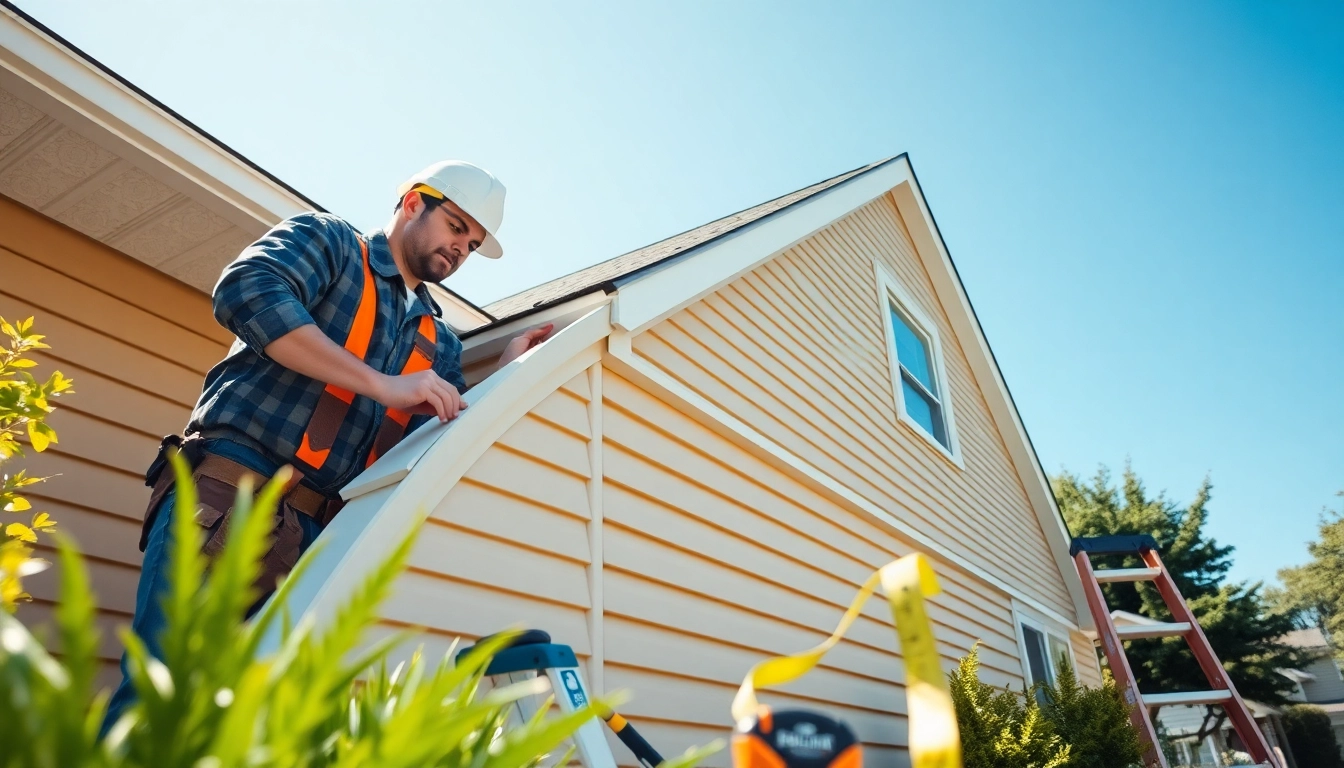
Understanding Siding Installation
What is Siding Installation?
Siding installation refers to the process of applying a protective and aesthetic layer to the exterior of a building. Siding serves multiple purposes, including enhancing the property's appearance, providing insulation, and safeguarding against weather elements. It can also contribute to the overall energy efficiency of a home. Proper siding installation is crucial to ensure durability and efficiency, making it a significant consideration for homeowners looking to improve or renovate their properties. Understanding the installation process is essential whether you are a DIY enthusiast or considering professional services for your siding installation.
Common Types of Siding Materials
There are various materials available for siding, each with its benefits and challenges. The most popular types include:
- Vinyl Siding: Cost-effective and available in numerous colors and styles. It’s low-maintenance but may crack in extreme temperatures.
- Wood Siding: Offers a natural aesthetic and high insulation value. Requires regular maintenance to prevent rot and pests.
- Fiber Cement Siding: Combines cement and cellulose fibers, offering durability and resistance to termites and fire. It’s heavier and usually requires professional installation.
- Stucco: Provides a classic look and excellent insulation. It is susceptible to cracking, thus proper installation is key.
- Metal Siding: Available in steel and aluminum. It is durable and resistant to weather but can be costlier.
Benefits of Proper Siding Installation
Proper siding installation offers several advantages, including:
- Enhanced Curb Appeal: New siding revitalizes your home’s exterior, increasing its overall attractiveness.
- Increased Property Value: Well-maintained siding can boost the value of your property, making it more appealing to potential buyers.
- Energy Efficiency: Properly installed siding can significantly reduce energy costs by providing better insulation.
- Weather Resistance: Quality siding protects against harsh weather conditions, preventing water damage and mold growth.
- Low Maintenance: Many modern siding materials require less upkeep compared to traditional options, saving time and money.
Essential Tools for Siding Installation
Basic Tools Needed
Before starting your siding project, it’s important to gather the right tools:
- Measuring Tape
- Chalk Line
- Level
- Saw (hand saw or circular saw)
- Hammer or nail gun
- Utility Knife
- Screwdriver
Safety Equipment for Siding Installation
Safety should be a primary concern during your siding installation. Use the following safety equipment:
- Safety Goggles
- Hard Hat (if working with overhead hazards)
- Gloves to protect hands
- Non-slip footwear
- Dust Mask for cutting operations
Advanced Tools for Efficient Installation
In addition to basic tools, advanced equipment can significantly streamline your installation process:
- Power Drill: For quicker attachment of screws.
- Table Saw: For precise cuts, especially on larger projects.
- Scaffolding: Ensures safety and ease when working at heights.
- Laser Level: Offers accurate leveling for maximizing aesthetic appeal.
- Caulking Gun: Essential for sealing edges and preventing leaks.
Step-by-Step Siding Installation Process
Pre-Installation Preparations
Before you begin the siding installation process, thorough preparation is essential:
- Assessment: Inspect the existing siding for damage. Determine if it needs to be removed.
- Permits: Verify if local regulations require a permit for siding installation.
- Measure: Measure the areas to be covered to calculate the amount of material needed.
- Materials: Purchase high-quality siding materials that suit your climate and aesthetic goals.
Installation Techniques
The following steps outline the procedures for the installation process:
- Remove Old Siding: If applicable, carefully remove the existing siding without damaging the underlying structure.
- Install House Wrap: Apply a weather-resistant barrier to protect against moisture.
- Install Starter Strip: Begin at the bottom of the wall, ensuring it is level.
- Attach Corner Posts: Fit the inside and outside corners, allowing for proper overlaps.
- Install Trim Around Openings: Ensure windows and doors are framed with the necessary trim.
- Install Siding Panels: Starting at the bottom, slide each panel into place, nailing them securely.
- Cut Panels as Needed: Customize the length of panels as you near the top of the structure or corners.
- Finalize with Top Trim: Cap the installation at the top with trim for a finished look.
Finishing Touches After Installation
Once the siding is installed, consider these finishing touches:
- Inspect for Gaps: Check for any gaps that need sealing to enhance insulation and prevent water intrusion.
- Painting/Sealing: If you've used wood siding, consider applying a protective sealant or paint to prevent rot.
- Clean Up: Remove debris and tools from the area for safety and aesthetic purposes.
- Final Inspection: Inspect the entire installation to ensure quality and durability.
Costs Associated with Siding Installation
Factors That Influence Siding Costs
Several variables can affect the cost of siding installation, including:
- Material Type: Different materials come with varied price points.
- Size of the Home: Larger homes naturally require more materials and labor.
- Labor Costs: Rates can differ based on location and the expertise required for installation.
- Replacement Needs: Additional costs arise if old siding must be removed or if structural repairs are needed.
Cost Breakdown by Material Type
The cost of siding can vary greatly depending on the material chosen. Here is a general breakdown:
- Vinyl Siding: $4.50 - $8.20 per square foot.
- Wood Siding: $6.90 - $13.90 per square foot.
- Fiber Cement: $6.00 - $12.00 per square foot.
- Stucco: $9.30 - $16.90 per square foot.
- Metal Siding: $7.00 - $20.00 per square foot.
How to Budget for Siding Installation
Budgeting for your siding project requires careful planning and consideration:
- Get Estimates: Collect quotes from multiple contractors to find competitive prices.
- Account for Hidden Costs: Include the costs for tools, permits, and unexpected repairs in your budget.
- Plan for Maintenance: Allocate funds for future upkeep, especially for wood siding that needs regular painting or sealing.
Maintaining Your Newly Installed Siding
Routine Maintenance Tips
To ensure the longevity of your siding, follow these maintenance tips:
- Clean the Siding: Regularly remove dirt, debris, and mold using a soft brush and mild detergent.
- Inspect for Damage: Periodically check for cracks, loose panels, or signs of wear.
- Seal Joints: Regularly inspect and seal any gaps or joints to prevent moisture entry.
Signs Your Siding Needs Repair
Be vigilant for these signs indicating your siding requires repair:
- Visible Cracks or Holes: Compromise the integrity of the siding.
- Mold or Mildew: Presence indicates moisture retention.
- Bubbling or Peeling Paint: Suggests water damage under the surface.
Long-Term Benefits of Proper Care
Investing in regular maintenance ensures not only the extended lifespan of your siding but also contributes to:
- Higher Property Value: Homes with well-maintained exteriors retain value better.
- Enhanced Energy Efficiency: Properly cared-for siding performs better in insulating your home.
- Reduced Repair Costs: Preventative maintenance can save substantial repair expenses over time.
Frequently Asked Questions
1. How long does siding installation typically take?
The duration of a siding installation can vary based on the size of the home and the complexity of the project, typically ranging from a few days to a couple of weeks.
2. Can I install siding myself?
While DIY siding installation is possible, it requires knowledge and skills. Consider hiring a professional if you're inexperienced.
3. How do I choose the right siding material?
Consider climate, budget, appearance, and maintenance requirements. Consult with a professional for tailored advice.
4. What is the average cost of siding installation?
Costs can vary widely based on material and size of the home. Expect to pay between $4.50 and $20.00 per square foot depending on the type.
5. How often does siding need to be replaced?
Siding can last 20-40 years depending on the material and maintenance. Regular inspections can extend its lifespan significantly.