
Understanding Bed Bugs: Biology and Behavior
What are Bed Bugs?
Bed bugs are small, wingless insects that feed on the blood of humans and animals. They are typically brown or reddish-brown and have a flat, oval shape that makes it easy for them to hide in various cracks and crevices. Despite their name, bed bugs can be found not only in beds but also in other furniture, carpets, and even electrical outlets. Their resilience and adaptability to different environments make them a persistent nuisance in homes, hotels, and other settings.
Life Cycle and Habits of Bed Bugs
The life cycle of a bed bug consists of several stages: egg, nymph, and adult. A female bed bug can lay anywhere from 1 to 5 eggs per day, and these eggs hatch within a week, leading to a rapid increase in the bed bug population. Nymphs, which are immature bed bugs, typically molt five times before reaching adulthood, and they require blood meals to grow at each stage. Adult bed bugs can survive for several months without feeding, allowing them to endure periods of food scarcity.
Signs of a Bed Bug Infestation
Identifying a bed bug infestation can sometimes be challenging. Common signs include:
- Dark spots or stains on sheets and mattresses, which are bed bug excrement.
- Bed bug bites on the skin, often appearing as red, itchy welts.
- Live or dead bed bugs found in seams, folds, or cracks of furniture.
- A musty odor from pheromones if the infestation is severe.
Early detection is crucial to managing and eradicating bed bug populations effectively.
Effective Bed Bug Treatment Options
Chemical Treatments and Their Benefits
Chemical treatments are widely used to combat bed bugs effectively. These treatments can vary in chemical composition, including insecticides designed specifically for bed bugs. Advantages of chemical treatments include:
- Rapid action: Many chemicals can kill bed bugs on contact.
- Residual effects: Some treatments continue to work after application, providing long-term protection against reinfestation.
- A variety of application methods: Sprays, dust, and foggers can be utilized, allowing flexibility in treatment type.
However, it's essential to apply these chemicals in accordance with manufacturer guidelines to ensure safety and efficacy.
Heat Treatments Explained
Heat treatments involve raising the temperature of infested areas to a level that is lethal to bed bugs, typically around 120°F (49°C). This method is effective because it can reach bed bugs in all life stages, including eggs, which are often resistant to chemical treatments. Advantages of heat treatments include:
- Non-toxic: This method does not involve the use of harmful chemicals, making it safer for children and pets.
- Whole home treatment: Heat can penetrate into walls and furniture, targeting bed bugs hiding in hard-to-reach areas.
- Immediate results: Most bed bugs are killed within minutes of exposure to high temperatures.
While effective, heat treatments require specialized equipment and may necessitate the evacuation of the home during the process.
Combination Methods for Enhanced Effectiveness
Many professionals recommend a combination of chemical and heat treatments for the best results. This integrated pest management (IPM) approach utilizes the strengths of both methods:
- Heat treatment can reduce the bed bug population significantly before applying chemical treatments to eliminate any remaining bugs.
- Using multiple methods can disrupt the bed bugs' life cycle, making it harder for them to develop resistance to treatments.
Overall, a combination approach can be more effective, reducing the likelihood of reinfestation.
Preparing Your Home for Bed Bug Treatment
A Step-by-Step Preparation Checklist
Successful bed bug treatment starts with proper preparation. Here’s a checklist to help homeowners get ready:
- Clear clutter from the bed and surrounding areas to facilitate treatment.
- Wash and dry all bedding, linens, and clothing at high temperatures to kill bed bugs and eggs.
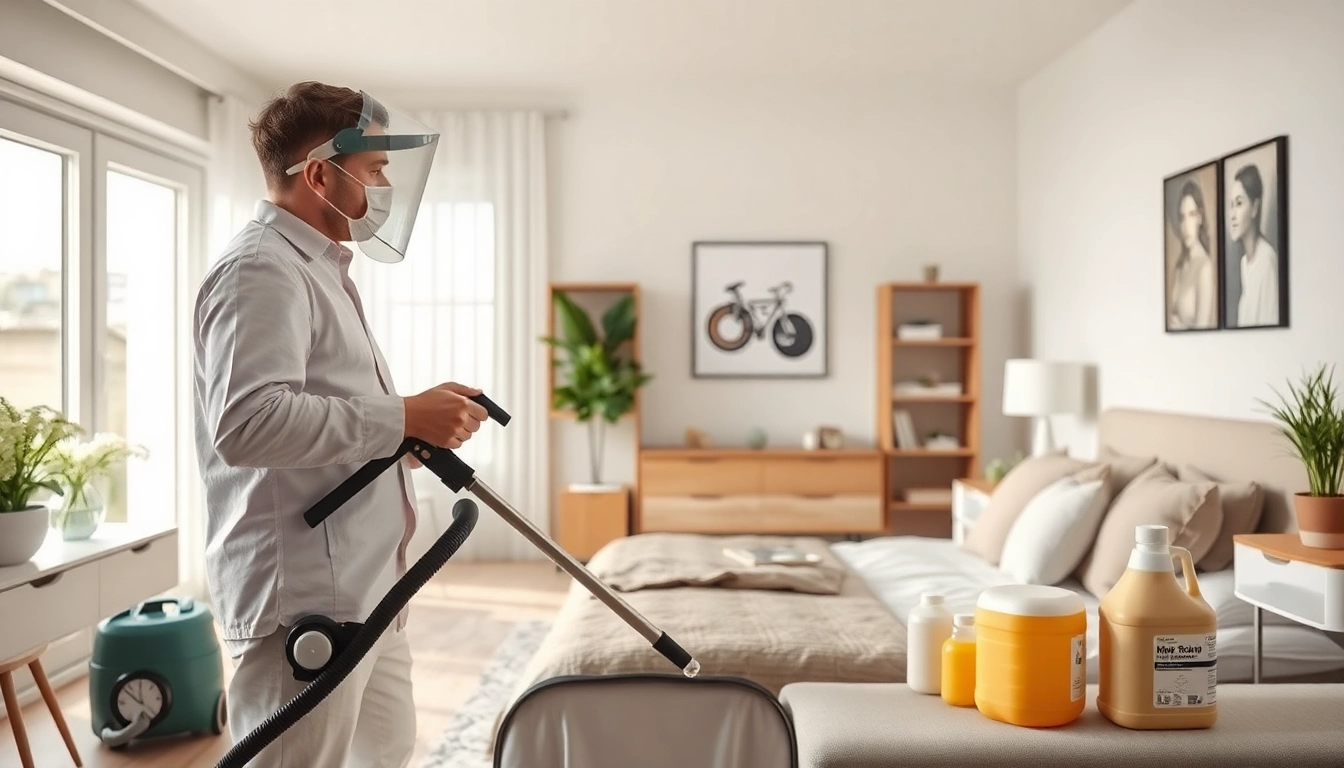
- Vacuum the affected areas thoroughly, including the mattress, box spring, and furniture.
- Seal items that cannot be washed in plastic bags to prevent bed bugs from spreading.
- Follow any specific instructions provided by the pest control service.
Preparation is crucial for ensuring an effective treatment outcome.
Common Mistakes to Avoid Before Treatment
To maximize the effectiveness of bed bug treatments, avoid these common pitfalls:
- Skipping the vacuuming step or using a non-HEPA filter vacuum can leave behind bed bugs and eggs.
- Not washing soft goods, which may leave dormant eggs intact.
- Using over-the-counter treatments before professional services which might worsen the infestation.
What to Expect During the Treatment Process
During a professional bed bug treatment, you can expect a thorough evaluation of the home, followed by the chosen method of extermination. The pest control technician will:
- Identify areas of infestation and potential hiding spots.
- Apply the necessary chemical or heat treatment as discussed.
- Provide guidance on what homeowners should do during and after the treatment.
Post-Treatment Guidelines for Homeowners
How to Maintain a Bed Bug-Free Home
After a successful treatment, maintaining a bed bug-free environment is essential. Here are some tips:
- Regularly inspect sleeping areas and furniture for any signs of returning bed bugs.
- Keep bedding and linens clean and washed frequently.
- Reduce clutter where bed bugs can find hiding spots.
- Cover exposed mattress and box springs with protective encasements.
Monitoring for Reinfestation
Ongoing vigilance is needed to prevent a reinfestation. Set up monitoring tools such as bed bug interceptors under bed posts or furniture. Regular inspections can help catch problems before they escalate.
When to Call Back for Additional Treatment
If signs of bed bugs reappear, or if sleeping issues or unexplained bites persist after treatment, it may be time to contact a pest professional for follow-up treatment. An effective pest control strategy requires patience and may sometimes need multiple sessions.
Frequently Asked Questions About Bed Bugs and Treatment
How Long Does It Take to Completely Eradicate Bed Bugs?
The timeframe for complete eradication can vary depending on the severity of the infestation, the methods used, and the level of preparation from the homeowner. Typically, thorough treatments can take 1-3 treatments spaced weeks apart, with continuous monitoring needed thereafter.
Are Bed Bug Treatments Safe for Pets and Children?
Many treatments are specifically designed to be safe for children and pets, especially heat treatments, which involve no chemicals. Chemical treatments should be conducted in consultation with professionals, ensuring the safety of all inhabitants.
How to Choose the Right Extermination Service
Choosing an extermination service can be daunting, but look for the following criteria:
- Experience and expertise in dealing with bed bugs specifically.
- Positive customer reviews and testimonials.
- Transparency about treatment methods, costs, and follow-up.
- Licensing and certification to operate in your region.
For effective bed bug management, you can start by seeking information on available reputable extermination services at https://affordablebedbugexterminators.com.