
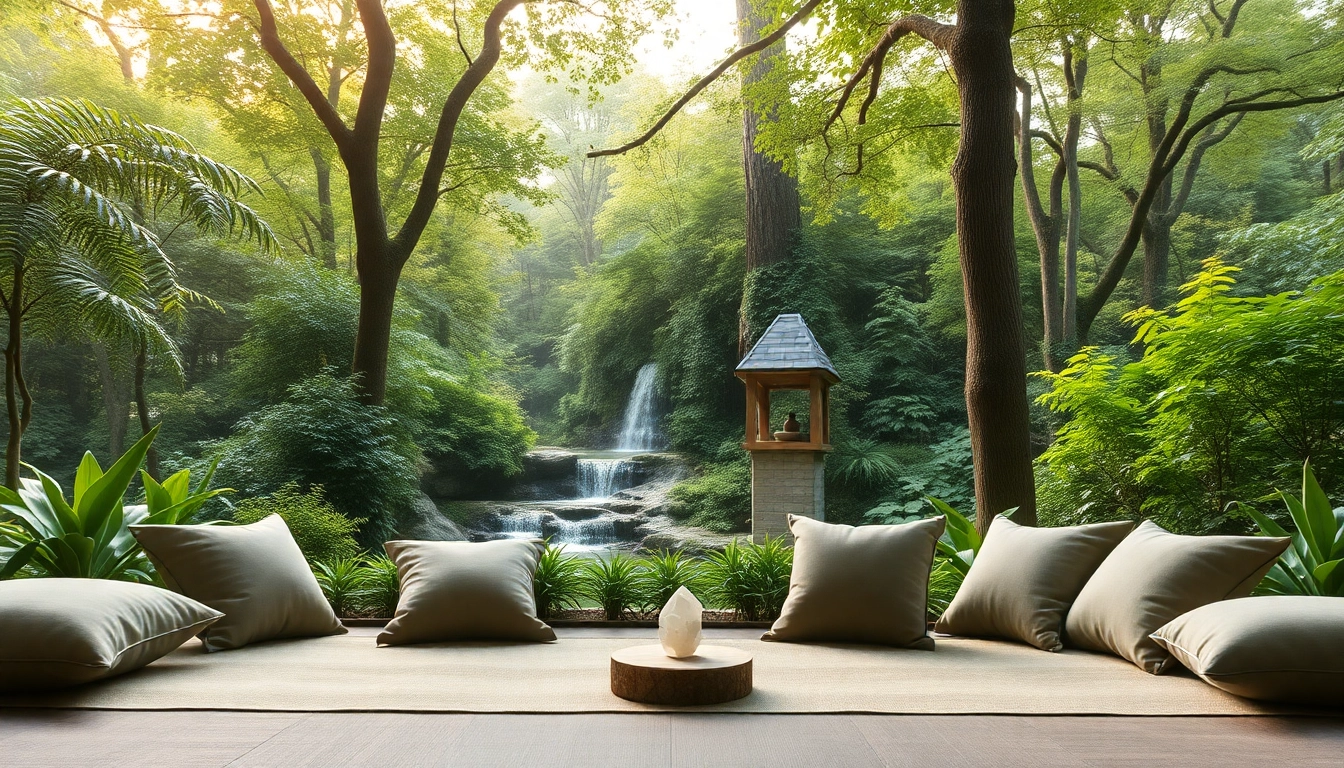
Revitalize Your Spirit at a Wellness Retreat Tailored for You
What is a Wellness Retreat?
Understanding the Concept
A wellness retreat is a specialized getaway designed to promote physical, mental, and spiritual well-being. These retreats typically offer various programs and activities aimed at helping participants rejuvenate and cultivate a deeper connection with themselves. The essence of a wellness retreat lies in its holistic approach, combining different elements like nutrition, mindfulness, fitness, and relaxation in serene environments that encourage introspection and growth.
Types of Wellness Retreats
Wellness retreats come in various forms, each catering to different needs and goals. Here are some common types:
- Nature Retreats: These focus on outdoor activities and reconnecting with nature. Activities may include hiking, outdoor yoga, and nature therapy.
- Yoga Retreats: Combining daily yoga classes with meditation sessions, these retreats aim to enhance physical flexibility and mental clarity.
- Spiritual Retreats: These often include meditation and spiritual practices aimed at personal exploration and growth, frequently in tranquil settings.
- Fitness Retreats: Tailored for those looking to improve their physical health, these offer structured workout programs and nutritional education.
- Nutritional Retreats: These focus on healthy cooking and dietary adjustments, often featuring workshops and chef-led sessions.
Key Benefits of Participating
Attending a wellness retreat can bring about profound changes in participants’ lives. Some key benefits include:
- Stress Reduction: Immersive activities like yoga, meditation, and nature walks can significantly reduce stress levels.
- Enhanced Mental Clarity: Time away from daily distractions allows for introspection, leading to improved focus and decision-making.
- Physical Health Improvements: Engaging in fitness and nutrition-focused programs can lead to weight loss, increased strength, and enhanced endurance.
- Community Building: Retreats offer opportunities to connect with like-minded individuals, fostering essential support and networking.
- Lasting Personal Change: Many participants return home inspired to make sustainable lifestyle changes that promote ongoing wellbeing.
Choosing the Right Wellness Retreat
Defining Your Goals
Before diving into plans for a wellness retreat, it’s vital to clarify your personal goals. Are you looking to alleviate stress, improve your physical health, explore spirituality, or just take a break? Defining clear objectives helps narrow down options and find retreats that specifically cater to your aspirations.
Evaluating Facilities and Services
A thorough evaluation of the facilities offered by potential retreats can greatly enhance your experience. Key factors to consider include:
- Accommodation Quality: Ensure the living quarters are comfortable and conducive to relaxation.
- Qualified Instructors: Research the credentials and experience of the facilitators or instructors leading the activities.
- Program Variety: A well-rounded retreat should offer a mix of activities that align with your goals, such as yoga, meditation, and nature-based experiences.
- Health and Safety Measures: Ensure that the retreat adheres to health guidelines, especially during uncertain times.
Considering Location and Environment
The location of a wellness retreat plays a pivotal role in your overall experience. Consider these aspects:
- Scenic Settings: Choose a retreat in a peaceful environment, whether it be mountains, forests, or near the ocean, to foster a sense of calm.
- Accessibility: Evaluate the ease of reaching the location and whether it is close to essential amenities.
- Cultural Immersion: Some retreats offer cultural experiences as part of their programs, which can enrich your retreat experience.
Activities to Expect at a Wellness Retreat
Meditation and Mindfulness Practices
One of the cornerstones of any wellness retreat is meditation and mindfulness. These practices help participants regulate stress, improve emotional health, and foster spiritual growth. Various forms of meditation might be offered, including guided sessions, silent sitting, or dynamic movement meditations. Mindfulness-based activities often complement these sessions, facilitating a more profound cognitive and emotional transformation.
Physical Wellness Activities
Physical wellness is typically prioritized at retreats. Common activities include:
- Yoga Classes: Classes may vary from gentle restorative yoga to more intense power sessions, accommodating all skill levels.
- Group Workouts: Engaging in fitness classes led by experienced trainers can motivate you and introduce you to new routines, including aerobics, dance, and strength training.
- Nature Walks: Exploring natural surroundings fosters both fitness and a connection to the environment.
Nutritional and Culinary Experiences
Nutrition is a critical pillar of wellness. Many retreats offer:
- Healthy Meal Plans: Nutrient-dense, seasonal meals are prepared to nourish your body and support overall health.
- Cooking Workshops: Learn healthy cooking techniques and recipes that you can recreate at home.
- Nutritional Workshops: Gain insights into proper eating habits and how food impacts overall well-being.
Preparing for Your Wellness Retreat
Packing Essentials
Proper packing can enhance your experience. Essentials include comfortable clothing suitable for yoga and exercise, any personal hygiene products, and a journal for reflection. If the retreat includes specific activities, check if any special gear is needed, such as hiking boots or swimwear. Bring a reusable water bottle to stay hydrated and reduce plastic consumption.
Mental Preparation Strategies
Getting mentally ready for a wellness retreat can help set the stage for transformation. Consider practicing mindfulness techniques leading up to the retreat, such as meditation or deep-breathing exercises. Set positive affirmations to remind you of your goals and intentions for the retreat. Leaving everyday stresses behind is essential; consider creating a list of tasks to complete before departure so that you can focus entirely on your retreat experience.
Setting Expectations for Transformation
Entering a wellness retreat with realistic expectations can optimize your experience. Understand that healing and transformation are processes that may take time. Instead of rushing to see results, embrace the journey and be open to the experience. Keep in mind that some shifts may be subtle yet profound, requiring reflection and patience.
Maximizing Your Experience at a Wellness Retreat
Engaging Fully in Activities
One of the best ways to maximize your time at a wellness retreat is to fully engage in all offered activities. Approach each session with an open heart and mind. Participate actively rather than passively observing. Engage with instructors and fellow participants as meaningful connections can further enrich your experience.
Practicing Self-Care Post-Retreat
Returning from a wellness retreat can often lead to a feeling of reinvigoration. To maintain this energy, integrate self-care practices into your daily routine. This could include regular meditation, maintaining a healthy diet, or continuing any fitness programs you found beneficial during the retreat. Ensuring you have a plan to balance life’s demands upon returning will help avoid reverting to old habits and maximize the benefits gained.
Sharing Your Journey with Others
Sharing your experiences upon your return from a wellness retreat can reinforce your transformations and insights gained. Consider discussing your journey with friends or family, sharing inspirational stories, and offering practical tips. This exchange can inspire others to explore their wellness journeys, fostering a supportive community that promotes ongoing growth and wellbeing.
FAQs about Wellness Retreats
What is the average duration of a wellness retreat?
Most wellness retreats last anywhere from a weekend to two weeks, with some offering different program lengths to accommodate various schedules.
Are wellness retreats suitable for beginners?
Yes, many wellness retreats cater to all skill levels, and beginner-friendly options are often available in areas like yoga, fitness, and meditation.
What should I do if I have dietary restrictions?
Most retreats can accommodate dietary restrictions. It’s important to communicate your needs at the time of booking for appropriate meal planning.
How much do wellness retreats typically cost?
Costs vary widely based on location, duration, and included services. Prices may range from a few hundred to several thousand dollars.
Can I attend a wellness retreat alone?
Absolutely! Many solo travelers attend these retreats, finding them to be a rewarding way to connect with oneself and meet new people.