Understanding the Importance of a Fly Fishing Vest
What is a Fly Fishing Vest?
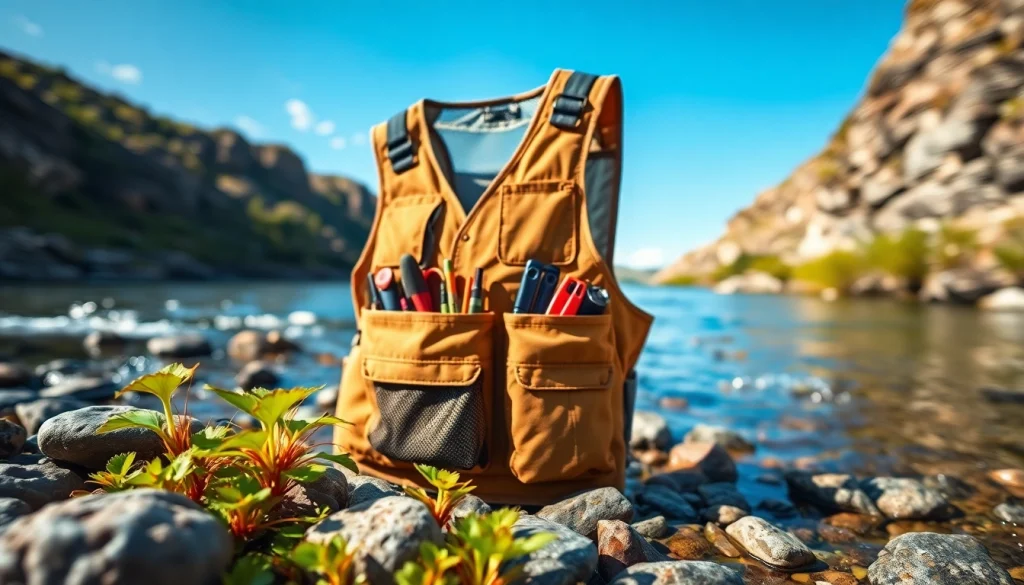
A fly fishing vest is a specialized garment designed for anglers, particularly those who practice fly fishing. Unlike traditional fishing vests that may be bulky and heavy, a fly fishing vest is designed to be lightweight and practical. It comes equipped with a variety of pockets and attachment points, providing easy access to essential fishing tools, gear, and accessories. This accessibility is crucial for maintaining efficiency while out on the water, allowing anglers to adjust their equipment without unnecessary distractions. For those serious about their fishing experience, a high-quality fly fishing vest is a must-have component of their gear arsenal.
Key Features to Look For
When selecting a fly fishing vest, several key features can enhance the overall functionality and comfort of the garment. First and foremost, the number and type of pockets are vital. Look for vests that have a mix of zippered and mesh pockets to store items like fly boxes, tippets, lines, and other accessories securely while allowing quick access.
Additionally, consider vests with adjustable straps and closures. This feature ensures a perfect fit for various body types, making it comfortable for all-day wear. Many modern vests also offer lightweight and breathable materials, providing ventilation that helps to regulate body temperature, especially in warm weather. Reflective elements can enhance visibility in low-light conditions, contributing to safety.
Lastly, weight distribution is another essential factor. Many vests come equipped with padded shoulders or specific areas for holding heavier items, which enhances comfort as it takes the load off your neck and back.
Benefits of Using a Fly Fishing Vest
The advantages of a fly fishing vest are numerous. First, it allows for hands-free carrying of essential gear, making it easier to navigate rocky streams or busy fishing spots. Anglers can also easily carry a rod, net, and other important items without the hassle of rummaging through bags.
Fly fishing vests promote organization. With dedicated pockets for specific items, anglers can quickly locate gear, thus saving precious time while out on the water. This organization is especially beneficial when quick decisions are necessary, such as changing flies or tying knots.
Comfort is yet another significant benefit. With adjustable fits and thoughtfully designed structures, a fly fishing vest often feels like a natural extension of the angler’s body, reducing fatigue and enhancing concentration on fishing techniques. Vests with additional padding help distribute weight evenly, making them ideal for long fishing trips.
Choosing the Right Fly Fishing Vest for Your Needs
Assessing Different Styles
When it comes to choosing a fly fishing vest, there are various styles available, each offering unique advantages depending on the angler’s preferences. Traditional vests are the classic option, featuring a large number of pockets and practical storage solutions. These are often the go-to choice for beginners and seasoned anglers alike.
Conversely, a sling pack style offers an alternative for those who prefer shoulder adjustments and targeted weight distribution. These vests allow quick rotations from the back to the front, providing easy gear access without taking the vest off.
On the more advanced side are chest packs, which resemble small backpacks worn on the front. They are designed for minimalists aiming to reduce bulk while ensuring easy access to their gear. Each style serves different angling techniques, environments, and personal preferences, making it essential for anglers to assess what fits their fishing habits best.
Materials & Durability Considerations
The material of a fly fishing vest plays a crucial role in its performance and lifespan. Common materials include nylon and polyester, which are both lightweight and durable. Nylon is often favored for its water-resistance capabilities, whereas breathable polyester can provide comfort during warmer months.
It is also essential to consider the stitching and overall construction. Reinforced seams and high-quality zippers enhance the vest’s durability, ensuring it withstands everyday wear and tear. For those fishing in rainy conditions, opting for water-resistant materials will safeguard your gear from potential moisture damage.
Size and Fit Recommendations
Finding the correct size and fit for your fly fishing vest is critical for comfort and functionality. Most vests come in a range of sizes to accommodate various body types. It is advisable to refer to size charts provided by manufacturers for a more accurate fit.
When trying on a vest, pay attention to the adjustability features—many models have side, front, and shoulder adjustments for a snug fit. There should be enough room to wear layers underneath, particularly in colder weather. A well-fitting vest will allow anglers to cast freely without obstruction while keeping gear secure.
Utilizing Your Fly Fishing Vest Effectively
Organizing Your Fishing Gear
Effective organization within your fly fishing vest can greatly enhance your fishing experience. Start by categorizing your gear: separate your flies, tippets, and other accessories into designated pockets. Many vests come with specific pockets for fly boxes, ensuring quick access for changes.
Using ziploc bags or small pouches to store specific items can further improve organization. Labeling these bags will save time on the water while reducing the frustration of searching for the right tools.
Consider using a modular approach—using different pockets for various techniques or species can help streamline your fishing strategy. For instance, designate specific pockets for dry flies versus wet flies to avoid mix-ups during critical moments.
Maintaining Your Vest
Proper maintenance of your fly fishing vest will ensure it lasts for many fishing seasons to come. Begin by ensuring that your vest is cleaned regularly, especially after fishing in muddy or sandy environments. Most vests can be hand washed with mild soap—always check the care label for specific instructions.
Inspect your gear regularly for worn areas or damaged seams. Quick repairs, such as re-sewing buttons or reinforcing seams, will extend the life of your vest. Store your vest in a cool, dry place away from direct sunlight to prevent degradation of materials and colors.
Adjusting for Comfort During Use
Adjustability is essential for comfort while wearing your fly fishing vest. Most designs come with straps to allow for resizing, but it’s important to adjust these for a personalized fit before heading out. A vest that is too loose can shift, causing distractions, while an overly tight vest can lead to discomfort during long fishing sessions.
Regularly check the fit while on the water and make small adjustments as necessary. If you’re planning on wearing heavier layers, adjust your vest accordingly for a bit of extra room. Being proactive about comfort adjustments enhances both your fishing experience and the overall effectiveness of your gear.
Common Mistakes When Selecting a Fly Fishing Vest
Overlooking Essential Features
Many anglers make the mistake of overlooking essential features when selecting a fly fishing vest. Key aspects like pocket placement and closure types may seem minor but can greatly influence the overall experience. Prioritize vests with a variety of pocket types and sizes to cater to different gear requirements.
Additionally, features like hydration Reservoir capabilities or rod holders can also elevate your fishing experience. Ignoring these can leave you lugging around gear that is difficult to access or manage.
Choosing Based Solely on Brand
While brand reputation is important, choosing a fly fishing vest should not solely rely on brand name. Instead, focus on features that cater to your individual fishing habits and preferences. Ensure that the vest meets your specific needs, regardless of the manufacturer’s reputation. Read reviews and try out different vests to find the best fit for you.
Ignoring Personal Comfort Preferences
Ignoring personal comfort preferences can lead to a frustrating fishing experience. Every angler has unique preferences regarding style, fit, and features. Whether you prefer minimalist designs or require extensive storage solutions, choose options that resonate with your comfort level. Testing vests for fit and feel before making a purchase can stop you from regretting your choice on the water.
Top Five Fly Fishing Vest Options
Vest A: Features and Advantages
Vest A is often touted for its remarkable versatility and functionality. With multiple pockets, including specialized dry fly compartments and easy-access mesh pouches, this vest is designed for efficiency. The adjustable straps and lightweight materials ensure comfort during extended fishing trips, making it a desirable option for both novices and seasoned anglers.
Vest B: Cost vs. Quality Analysis
Vest B strikes a balance between cost and quality that appeals to budget-conscious anglers. Although it’s priced lower than premium alternatives, it doesn’t skimp on essential features like multiple pocket styles and durability. Its affordability makes it a solid option without compromising functionality, perfect for those new to fly fishing who are testing the waters without a huge financial commitment.
Vest C: Best for Beginners
Vest C is praised for being user-friendly, making it the ideal choice for beginners. It offers step-by-step organization with labeled pockets, guiding novice anglers on where to store their gear. Its comfortable fit and lightweight design support an enjoyable first-time fishing experience, making it easy to adapt as the angler’s skills and gear needs grow.
FAQs about Fly Fishing Vests
1. What materials are best for a fly fishing vest?
Nylon and polyester are the most recommended materials. They offer durability and water resistance while being lightweight and breathable.
2. How do I clean my fly fishing vest?
Most vests can be hand washed with mild soap. Always refer to the care label for specific cleaning instructions to avoid damaging the material.
3. Should I choose a vest with numerous pockets?
Yes, multiple and varied pocket types enhance organization, allowing easy access to different gear like flies, tippets, and tools during your fishing sessions.
4. How do I ensure the right fit for my fly fishing vest?
Refer to the manufacturer’s size chart and try the vest on with layers you typically wear. Adjust straps for a comfortable yet snug fit that allows freedom of movement.
5. Are adjustable vests better than fixed fit options?
Adjustable vests are generally better as they accommodate various body types and can be tailored for comfort, especially under different clothing layers.