Understanding Vinyl Flooring Types
Vinyl flooring has become increasingly popular in residential and commercial settings due to its versatility, durability, and aesthetic appeal. This guide will delve into the various types of vinyl flooring, highlighting the distinctions between tiles and planks, rigid and flexible options, and their numerous features and benefits. By the end, readers will have a comprehensive understanding of how to choose the right vinyl flooring for their specific needs.
Luxury Vinyl Tile vs. Plank
When it comes to vinyl flooring, two primary formats dominate: Luxury Vinyl Tile (LVT) and Luxury Vinyl Plank (LVP). Both options provide aesthetic flexibility and practical functionality, but there are key differences.
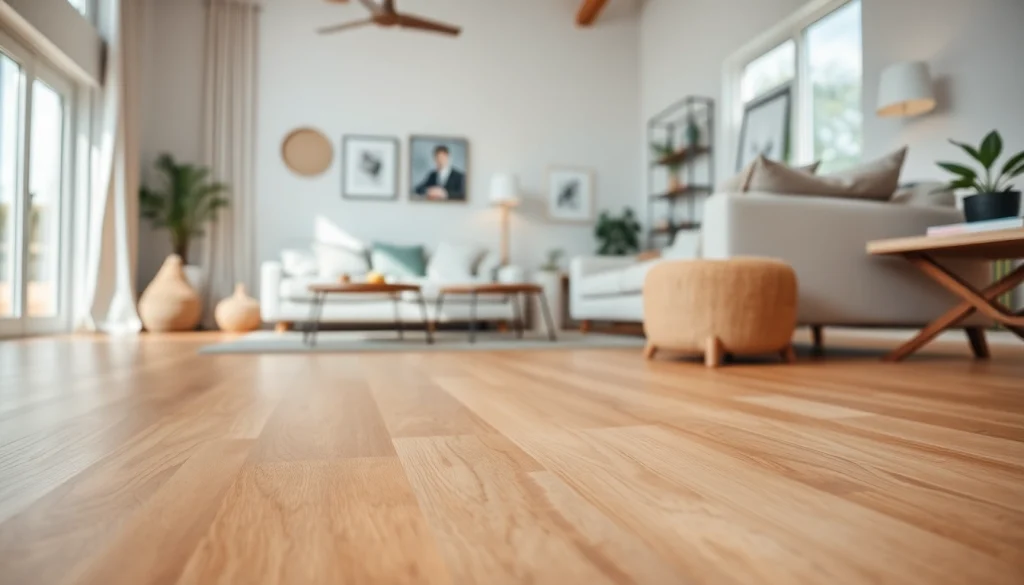
Luxury Vinyl Tiles often mimic natural stone or ceramic. They are square or rectangular, making them a great choice for intricate patterns or designs. Conversely, Luxury Vinyl Planks resemble hardwood, featuring elongated shapes that offer a classic wood look. Homeowners often choose LVP for areas where they desire warmth and a traditional appearance.
Both LVT and LVP include layers that enhance durability, including a wear layer, design layer, and core structure, ensuring they withstand wear, moisture, and heavy foot traffic. Moreover, both types can be styled to fit any decor style, from modern to rustic.
Rigid vs. Flexible Vinyl Flooring
Vinyl flooring is also categorized into rigid and flexible options, and the choice significantly impacts performance and installation. Rigid vinyl flooring has a thicker core structure, providing better stability and enhancing sound insulation. It is ideal for high-traffic areas and layers easily over inconsistent subfloors.
In contrast, flexible vinyl flooring is generally thinner and more adaptable to the subfloor’s contours. While it is easier to install in certain conditions, it may require a perfectly smooth surface to prevent buckling over time. The choice between rigid and flexible largely depends on the subfloor quality and the specific use case.
Features and Benefits of Vinyl Flooring
Vinyl flooring brings a wealth of features that cater to various homeowner needs:
- Water Resistance: Many vinyl flooring options are waterproof, making them perfect for kitchens, bathrooms, and basements.
- Durability: Vinyl flooring is resistant to scratches and dents, ensuring a long lifespan even in high-traffic areas.
- Comfort: Vinyl flooring is softer underfoot compared to traditional flooring options, allowing for added comfort.
- Style Variety: With numerous colors, patterns, and textures available, vinyl flooring can replicate the look of more expensive materials.
- Easy Maintenance: Regular cleaning involves simple sweeping and mopping, which saves time and effort on upkeep.
- Cost-Effective: Compared to hardwood or stone, vinyl flooring is a more affordable flooring solution, which makes it appealing to budget-conscious consumers.
Choosing the Right Vinyl Flooring for Your Space
Selecting the right vinyl flooring involves evaluating personal preferences, functional requirements, and the specific characteristics of the intended space. This section outlines essential considerations for making an informed choice.
Assessing Your Home’s Needs
Before purchasing vinyl flooring, assess the specific needs of your home. Factors such as foot traffic, moisture levels, and the area’s purpose are crucial. For instance, high-traffic hallways may benefit from thicker, more durable options like rigid vinyl, whereas a home office might suit a softer, flexible vinyl solution.
Aesthetic Considerations for Vinyl Flooring
Choosing the right style and color is vital to complement your home’s design. Think about the existing decor and the visual effect you want to achieve. Light colors can make a room feel more spacious, while darker tones add sophistication. Additionally, consider the surface texture, as embossed finish can provide a more authentic look.
Professional vs. DIY Installation
Installation methods vary in complexity. Some vinyl flooring options come with a click-lock installation system, allowing DIY enthusiasts to tackle the job themselves. However, hiring professionals might be prudent for complex designs or larger areas where precision is essential. Weigh the costs of professional installation against the potential challenges of a DIY project to determine the right choice for your situation.
Maintenance Tips for Lasting Vinyl Flooring
Maintaining vinyl flooring is crucial to ensuring its longevity and appearance. Here are some essential maintenance tips to extend the life of your investment.
Daily Care and Cleaning Strategies
Regular maintenance is key. Sweep or vacuum your floors daily to remove dirt and debris, protecting against scratches. For deeper cleaning, use a damp mop with a mild cleaner specifically designed for vinyl flooring. Avoid harsh chemicals that can degrade the flooring surface. You can also place mats at entrances to capture additional dirt and moisture.
Long-Term Maintenance Considerations
Over time, you may notice wear in high-traffic areas. Use floor protectors on furniture to prevent scratches and consider applying a vinyl flooring polish to restore its shine. Make sure to periodically check for loose seams or edges and address any issues promptly to prevent further damage.
Avoiding Common Mistakes
When cleaning and maintaining vinyl flooring, avoid using abrasive tools or harsh chemicals. This can lead to scratches and dullness over time. Additionally, refrain from exposing your vinyl to excess water, as prolonged moisture can warp the flooring. Lastly, ensure adequate ventilation in areas where you may use cleaning chemicals to maintain indoor air quality.
Eco-Friendly Aspects of Vinyl Flooring
With the growing awareness of environmental impact, many consumers are searching for sustainable flooring options. Vinyl flooring manufacturers are increasingly investing in practices that support eco-friendliness.
Sustainability in Vinyl Manufacturing
Modern vinyl flooring production often incorporates post-consumer recycled materials, which contributes to reduced waste. Manufacturers are also taking steps to implement cleaner production techniques that minimize pollution and energy consumption.
Recyclability of Vinyl Flooring Products
Many vinyl flooring products are recyclable once they have reached the end of their life cycle. Several companies offer take-back programs that facilitate the recycling process, helping to keep materials out of landfills and contribute to a circular economy.
Health Considerations and Safety Standards
Vinyl flooring is subject to strict safety regulations, ensuring it meets a variety of health standards. Look for certifications such as FloorScore or GREENGUARD, which indicate lower levels of VOCs (volatile organic compounds), thus ensuring a healthier living environment.
FAQs About Vinyl Flooring
FAQ 1: How long does vinyl flooring last?
High-quality vinyl flooring can last between 10 to 20 years, depending on the thickness of the wear layer and the foot traffic it endures.
FAQ 2: Is vinyl flooring waterproof?
Most vinyl flooring products are water-resistant, with many offering complete waterproof options, ideal for bathrooms and kitchens.
FAQ 3: Can vinyl flooring be installed over concrete?
Yes, vinyl flooring can be installed over concrete. It’s essential to ensure the surface is clean, dry, and level for optimal installation.
FAQ 4: How do I remove scratches from vinyl flooring?
To remove minor scratches, gently rub the area with a vinyl floor cleaner or a mixture of baking soda and water, followed by wiping clean.
FAQ 5: Is vinyl flooring safe for pets?
Yes, vinyl flooring is typically safe for pets. It’s durable and easy to clean, making it an ideal choice for households with animals.