
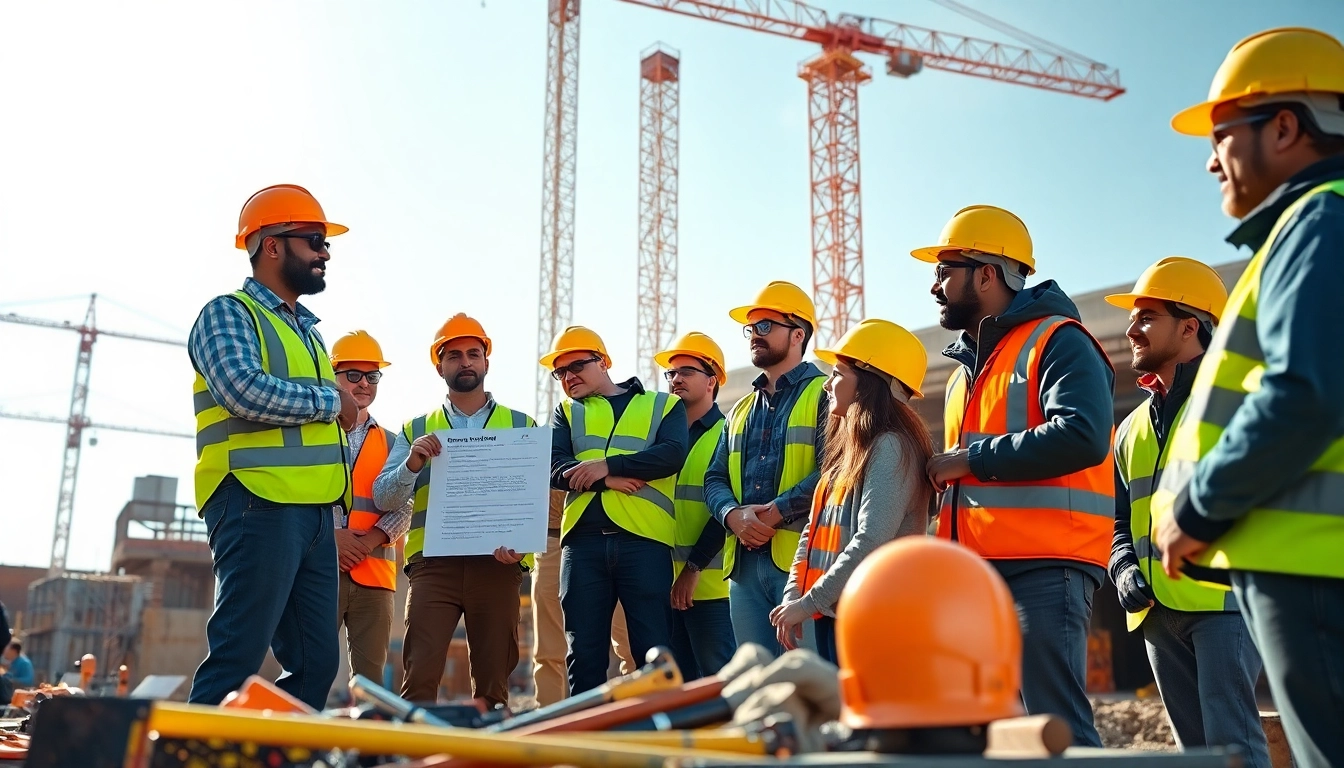
Essential Construction Safety Training to Ensure a Safe Work Environment
Understanding the Importance of Construction Safety Training
Why Safety Training is Crucial
In the construction industry, where risks abound and accidents can have dire consequences, construction safety training is paramount. This training is not merely a regulatory requirement; it is a vital practice to cultivate a culture of safety on the job site. It equips workers with essential knowledge about potential hazards and teaches them how to mitigate those risks effectively.
Construction sites are inherently dangerous environments. Statistically, they account for a significant portion of workplace injuries and fatalities. Safety training provides an understanding of these risks—whether related to equipment mishaps, falls from heights, or health hazards such as exposure to toxic substances. Proper training ensures that employees recognize these dangers, understand safe operating procedures, and adopt protective measures.
Key Benefits of Effective Training Programs
Effective construction safety training offers numerous benefits that extend beyond compliance and risk avoidance. Key advantages include:
- Reduced Accident Rates: Well-trained workers are less likely to be involved in accidents, reducing both potential injuries and lost work time.
- Enhanced Productivity: Training helps improve efficiency by minimizing downtime caused by accidents or unsafe practices.
- Improved Morale: Employees value their safety and health. A proactive training approach fosters a culture of care, enhancing overall morale.
- Financial Benefits: Lower accident rates can lead to decreased insurance premiums and other operational costs associated with incidents.
- Legal Compliance: Regular training ensures that companies meet OSHA standards and local regulations, avoiding fines and legal repercussions.
Compliance and Legal Considerations
Compliance with safety regulations is a critical component of construction safety training. The Occupational Safety and Health Administration (OSHA) mandates various safety standards tailored specifically for the construction industry. Failure to comply can result in severe penalties, including fines and the potential shutdown of operations.
Organizations must keep abreast of both federal and state regulations, ensuring that their safety training programs meet these requirements. Regular audits and updates to training programs not only show compliance but also demonstrate a commitment to employee welfare. Maintaining accurate records of training sessions and participant engagement is also crucial for demonstrating compliance during inspections.
Types of Construction Safety Training Available
Basic Safety Protocols and Guidelines
Basic safety protocols and guidelines form the foundation of any construction safety training program. These protocols typically cover:
- Personal Protective Equipment (PPE): Training on the correct use and maintenance of PPE, such as helmets, gloves, and safety goggles.
- Safe Operating Procedures: Clear instructions on how to operate machinery and tools safely.
- Site-Specific Hazards: Identifying the unique risks associated with the specific construction site.
- Emergency Procedures: Protocols for responding to accidents, injuries, and other emergencies.
Specialized Training for Hazardous Equipment
As construction sites utilize various specialized machinery, targeted training for hazardous equipment is essential. This includes training on:
- Forklifts and Cranes: Operators must understand the specific operational safety procedures for each type of equipment.
- Power Tools: Proper handling, maintenance, and safety precautions associated with power tools like saws and drills.
- Scaffolding Safety: Ensuring workers know how to assemble and dismantle scaffolding safely.
By providing specialized training, organizations can mitigate the risks associated with heavy equipment and tools, leading to a safer working environment.
First Aid and Emergency Response Training
Accidents happen, and being prepared to respond effectively can save lives. First aid and emergency response training should be integral components of construction safety training. This type of training usually encompasses:
- Basic First Aid: Participants learn how to assess injuries and provide basic care until professional medical assistance arrives.
- CPR Training: Essential for responding to life-threatening situations where immediate action is necessary.
- Evacuation Procedures: Comprehensive training on how to safely evacuate personnel in various emergency scenarios.
This training not only empowers workers to act decisively in emergencies but also boosts overall site safety morale.
Implementing an Effective Safety Training Program
Steps for Developing a Training Curriculum
Developing a comprehensive training curriculum is the first step toward effective safety training. Suggested steps include:
- Assess Hazards: Conduct a thorough risk assessment of the worksite to identify potential hazards.
- Define Objectives: Set clear goals and objectives for what the training should achieve.
- Develop Content: Create training materials that are engaging and informative, tailored to your specific workforce.
- Choose Delivery Methods: Decide on the most effective methods for delivering training (e.g., workshops, online courses, hands-on sessions).
These steps ensure that the training developed is relevant, effective, and tailored to the specific needs of the organization.
Choosing the Right Training Methods
The choice of training methods can significantly impact the effectiveness of the program. Various methods to consider include:
- Interactive Workshops: Hands-on sessions encourage active participation and enhance learning.
- Online Training Modules: Flexible for workers who may have varying schedules, enabling self-paced learning.
- On-the-Job Training: Practical experiences where employees learn through real-life scenarios under supervision.
Conducting a mix of these methods can cater to different learning preferences and enhance information retention among employees.
Tracking and Measuring Training Effectiveness
To ensure the training program’s success, organizations must establish methods for tracking and measuring its effectiveness. Strategies may include:
- Pre- and Post-Training Assessments: Evaluate participants’ knowledge before and after training to measure learning progress.
- Incident Tracking: Monitor accident and near-miss rates to determine if training correlates with improved safety outcomes.
- Feedback Forms: Solicit feedback from participants to identify areas for improvement in future training sessions.
These metrics can guide ongoing improvements and reinforce the training’s value in fostering a safer work environment.
Overcoming Challenges in Safety Training
Addressing Employee Resistance to Training
Resistance to safety training can be a significant obstacle. To overcome this, companies should:
- Communicate Value: Clearly articulate the benefits of training to employees, emphasizing their safety and well-being.
- Involve Employees: Engage workers in the development of training content, fostering a sense of ownership and relevance.
- Provide Incentives: Consider offering incentives for participation and completion of training to reinforce commitment.
Cultivating an open culture that values safety can gradually mitigate resistance to training initiatives.
Legal and Logistical Barriers
Legal and logistical barriers may present additional challenges. Businesses should:
- Stay Informed: Regularly update their knowledge of safety regulations and ensure all training complies with the law.
- Plan Training Sessions Wisely: Schedule training during times that minimize disruption to operations while accommodating employee availability.
- Utilize Technology: Leverage technology to find scalable training solutions that can adapt to changing regulations and workforce dynamics.
Proactive planning and awareness are key to navigating these dilemmas effectively.
Maintaining Engagement and Interest
Keeping employees engaged during safety training can be tricky. Strategies to enhance engagement include:
- Interactive Methods: Incorporate games, simulations, and scenarios that require active participation.
- Real-World Examples: Relate training content to real-life incidents and case studies to enhance relevance.
- Short, Focused Sessions: Break training into manageable chunks to maintain attention and facilitate learning.
These tactics not only keep workers engaged but also make safety training more enjoyable and memorable.
Frequently Asked Questions about Construction Safety Training
What is the purpose of construction safety training?
The purpose of construction safety training is to equip workers with knowledge about hazards and necessary precautions to ensure a safe working environment.
How often should training be conducted?
Training frequency depends on the scope of work and regulatory requirements but should typically occur at least annually or whenever new equipment or procedures are introduced.
What topics are typically covered in safety training?
Common topics include hazard recognition, personal protective equipment (PPE), emergency procedures, and safe machinery operation techniques.
What are the qualifications for trainers?
Trainers should have comprehensive knowledge of safety regulations, experience in the construction industry, and ideally certifications in safety training.
How can I assess the effectiveness of safety training?
Effectiveness can be assessed through pre- and post-training assessments, incident rate tracking, and soliciting participant feedback to gauge knowledge retention and engagement.