Understanding the Image to Prompt Technology
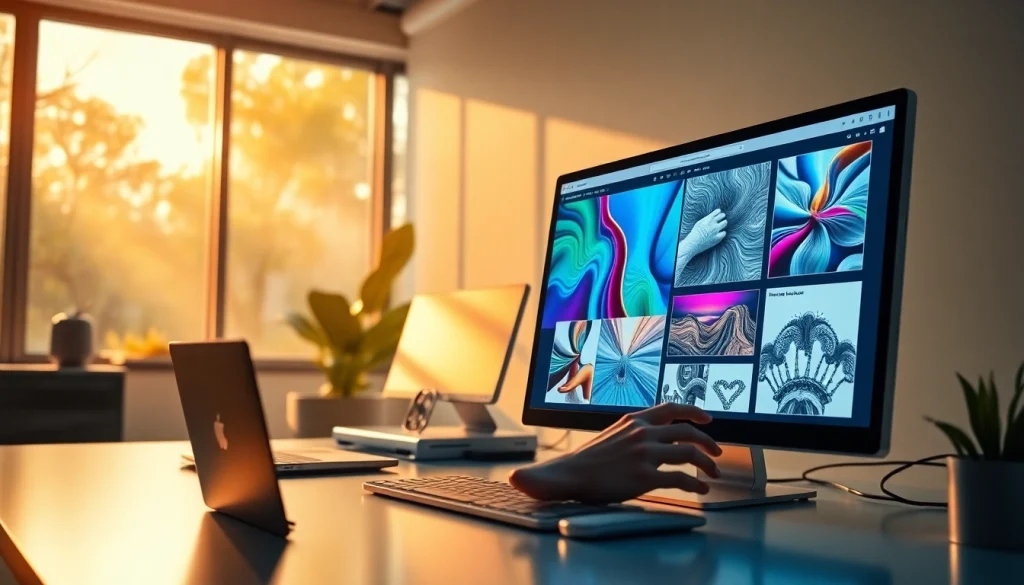
The advent of AI technology has revolutionized how creators and artists approach digital art. At the forefront of this innovation is the image to prompt generator, an AI tool that transforms images into detailed textual prompts. This tool not only enhances creativity but also streamlines the process of generating visual content. By analyzing the intricate elements of an image, such as composition, color, and mood, it translates visual cues into descriptive language that AI image generators can interpret effectively.
What is an Image to Prompt Generator?
An image to prompt generator is a sophisticated AI application designed to convert visual content into natural language descriptions. By processing elements like the subject, environment, style, and other attributes within an image, the generator crafts structured prompts that can be utilized in various AI image generation tools. This process enables users to communicate their artistic vision more clearly, facilitating the production of unique images that closely align with their intentions.
How Image to Prompt Works: The Technical Breakdown
The underlying technology of an image to prompt generator utilizes computer vision and advanced algorithms. It examines an uploaded image for key visual features and then employs large language models to generate coherent prompts. This involves:
- Image Analysis: The AI dissects the image, identifying predominant subjects, styles, and emotions.
- Natural Language Processing: The AI converts visual data into descriptive text, ensuring it resonates with human understanding.
- Prompt Structuring: The generated prompts are organized to meet the format requirements of various AI models, such as Midjourney or Stable Diffusion.
The Advantages of Using Image to Prompt Tools
Employing image to prompt tools offers numerous advantages for creators and artists:
- Enhanced Creativity: By providing a starting point for ideas, these tools can spark inspiration and facilitate brainstorming.
- Accessibility: Users need not be expert writers; the technology handles the complexity of prompt generation.
- Optimized AI Compatibility: Generated prompts are tailored to work effectively with various AI image generators, improving the quality of the output.
Types of Prompts Generated by Image to Prompt
General Descriptive Prompts for Various AI Models
The image to prompt generator can create general descriptive prompts that are suitable for a wide range of AI models. These prompts typically provide a foundational overview of the image without delving into model-specific details. For instance, a generated prompt might describe a serene landscape as “A tranquil valley adorned with blooming wildflowers under a clear blue sky.”
Structured Prompts: Enhancing Consistency
Structured prompts are designed to maintain consistency across different images and interpretations. By adhering to a specific format, these prompts ensure that users receive a cohesive description that aligns with their artistic vision. A structured prompt could include details such as the main subject, setting, mood, and specific instructions for the AI model being used.
Model-Specific Prompts for Optimal Results
Not all AI image generators are created equal, and that’s where model-specific prompts come into play. By tailoring prompts to the unique features and capabilities of each AI model, users can achieve more accurate and striking results. For example, a prompt for Midjourney may focus on stylistic elements, while one for Stable Diffusion might emphasize structural coherence.
How to Maximize Your Use of Image to Prompt
Step-by-Step Guide to Generating Effective Prompts
To make the most of an image to prompt generator, follow this straightforward guide:
- Upload an Image: Choose a clear image that you wish to analyze.
- Click the “Generate Prompt” Button: Initiate the process and allow a few seconds for the AI to work its magic.
- Review the Generated Prompt: Examine the generated text for coherence and relevance.
- Refine if Necessary: Adjust the prompt based on your specific needs or preferences.
- Utilize in your AI Model: Copy the prompt and paste it into your chosen AI image generator for immediate results.
Common User Mistakes and How to Avoid Them
While using image to prompt generators, users may encounter some common pitfalls:
- Choosing Irrelevant Images: Ensure the selected image is representative of the desired prompt.
- Neglecting to Review Prompts: Always double-check the generated prompts for clarity and coherence.
- Overlooking Model Specifications: Be mindful of the requirements and strengths of the AI model you are utilizing.
Fine-Tuning Prompts for Different AI Models
The process of fine-tuning prompts is crucial for optimizing image generation. Each AI model interprets prompts differently, and understanding these nuances can significantly improve your results. Consider adjusting verb tenses, adding specific adjectives, or emphasizing particular styles based on the model’s capabilities.
Benefits of Image to Prompt for AI Image Generation
Improving AI Interpretations of Visual Data
One of the most significant advantages of using image to prompt tools is the enhancement of AI’s ability to understand visual data. By converting images into well-structured prompts, these tools provide clarity and context, helping AI generators produce outputs that are more aligned with user expectations.
Enhancing Creativity and Idea Generation
Image to prompt generators do more than merely convert images; they foster creativity. Users often find that viewing a generated prompt can unlock new ideas and concepts, leading to innovative artistic expressions. Artists can explore variations on themes or experiment with different settings and moods that they may not have considered initially.
Real-World Applications and User Success Stories
Numerous artists and creators have successfully integrated image to prompt technologies into their workflows. For instance, a digital artist may take an existing piece and generate prompts to create a series of related works. Case studies and testimonials frequently highlight how these tools have assisted users in overcoming creative blocks and enhancing their artistic output.
Future Trends for Image to Prompt Tools in 2026
Emerging Developments in AI Image Technology
The landscape of AI image technology continues to evolve rapidly. Emerging developments, including advancements in machine learning and natural language processing, are expected to enhance the capabilities of image to prompt generators further. These improvements will likely lead to even more sophisticated and versatile tools that cater to a diverse range of user needs.
Predictions for User Adoption and Market Growth
As more individuals discover the benefits of AI in creative processes, the adoption of image to prompt tools is poised to surge. Predictions suggest that the market will see significant growth, driven by both amateur and professional creators seeking innovative ways to harness AI technology in their artistic endeavors.
Preparing for the Rise of AI-Generated Art in the Future
Looking ahead, preparing for the rise of AI-generated art will be essential for creators. This includes understanding the ethical implications, copyright issues, and the evolving relationship between artists and AI technologies. Embracing these changes can position artists to take full advantage of the capabilities that AI tools, like image to prompt generators, will offer in the years to come.