Understanding the Hidden Wiki and Its Purpose
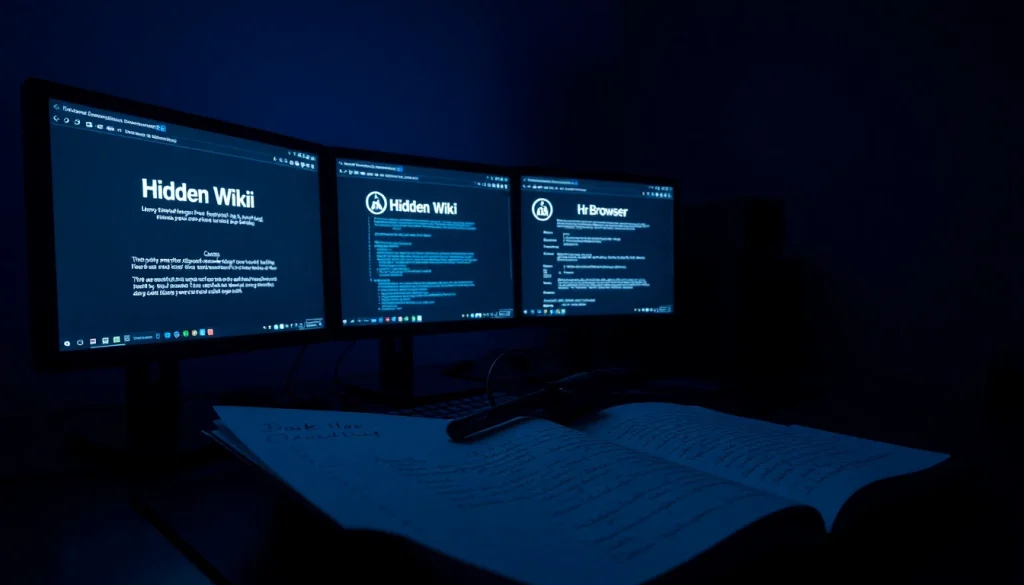
The Hidden Wiki serves as a crucial navigational tool within the dark web, acting as a directory for .onion websites that are often inaccessible through conventional search engines. It plays a significant role for users who seek information or services within the shadowy corners of the internet, providing links to various domains ranging from discussion forums to marketplaces. While the allure of the dark web is intriguing, it’s imperative to approach it with caution and an understanding of the unique dynamics at play. For those venturing into these digital depths, the hidden wiki tor can offer insights that help navigate this complex landscape.
What is the Hidden Wiki?
The Hidden Wiki is essentially a community-driven resource that lists links to various hidden services operating on the Tor network. Unlike the surface web, these links are not indexed by traditional search engines like Google or Bing. Users can find everything from anonymous email services to political discourse platforms and even illicit marketplaces. By using the Hidden Wiki, one can access a range of content often obscured from the average internet user.
The Significance of the Hidden Wiki in the Dark Web
As one of the most recognized directories in the dark web, the Hidden Wiki facilitates the discovery of content that would otherwise remain hidden. Its significance lies in its role as a gateway for new users, allowing them to navigate the dark web with relative ease. Furthermore, it has evolved to become a repository of vetted content, where users contribute and verify links, which helps maintain a level of reliability amidst the chaotic nature of the dark web.
How the Hidden Wiki Differs from Regular Search Engines
The primary distinction between the Hidden Wiki and traditional search engines is the level of anonymity and the type of content indexed. Regular search engines operate on the basis of algorithms that prioritize popular and searchable sites, whereas the Hidden Wiki provides access to a more niche range of sites focusing on privacy and anonymity. This focus allows users to encounter a variety of unique resources, albeit often with associated risks.
How to Access the Hidden Wiki Safely
Accessing the Hidden Wiki requires the use of specialized software known as the Tor Browser, which enables anonymous browsing by routing internet traffic through multiple servers. Setting up the Tor Browser correctly is crucial for ensuring both safety and performance. When utilizing these tools, it’s vital to adhere to best practices for secure browsing, keeping in mind the potential dangers lurking in the dark web.
Setting Up the Tor Browser Correctly
To access the Hidden Wiki effectively, start by downloading the Tor Browser from its official site. Ensure you have the latest version to benefit from the most recent security updates. Once installed, it’s essential to configure the settings to maximize your privacy, such as adjusting security levels and disabling JavaScript. This configuration helps mitigate common vulnerabilities that could expose your identity.
Basic Safety Rules for Browsing the Dark Web
- Use a VPN: Pairing a VPN with Tor enhances your privacy by encrypting your connection to the Tor network.
- Do not share personal information: Remain anonymous by avoiding the use of real names, addresses, or any identifiable details.
- Be cautious with links: Many links on the Hidden Wiki can lead to malicious sites, so treat each one with skepticism.
- Keep your software updated: Regular updates for both your Tor Browser and your operating system can safeguard against vulnerabilities.
Common Misconceptions About Accessing the Hidden Wiki Tor
Many individuals mistakenly believe that accessing the Hidden Wiki or the dark web is illegal. While the content itself can vary widely and include both legal and illegal activities, simply browsing the dark web is not against the law. However, it is essential to understand that engaging in illicit activities can lead to serious legal consequences. Awareness of these nuances is vital for anyone considering a journey into the Hidden Wiki and beyond.
Exploring Active Dark Web Links
The Hidden Wiki categorizes its links into several categories, making it easier for users to navigate the extensive array of .onion sites. This organization of links not only aids in discovery but also enhances user experience by grouping similar services together.
Categories of Links Available on the Hidden Wiki
- Hidden Search Engines: Tools that allow users to search for .onion sites without a direct link.
- Stores: Marketplaces that facilitate the exchange of goods and services, often using cryptocurrency.
- Social Media: Platforms that promote free speech and anonymity.
- Email Providers: Services enabling users to send and receive emails anonymously.
- Forums and Chat Services: Spaces for discussion on various topics, often without censorship.
Verifying Trusted Links and Avoiding Scams
Given the prevalence of scams on the dark web, verifying links is crucial. Users should cross-reference links on the Hidden Wiki with other community resources to ensure reliability. Reputable forums and user reviews can provide insight into whether a link is worth visiting or if it harbors potential threats.
Understanding .onion Addresses and Their Significance
.onion addresses represent sites only accessible through the Tor network. These addresses contribute to the anonymity of the sites and their users, making it difficult to trace content back to their origin. Understanding these addresses is fundamental for anyone exploring the dark web, as they differ significantly from standard web URLs.
Cross-Referencing Links and Information
When navigating the Hidden Wiki, cross-referencing information from multiple sources is a best practice that cannot be overstated. This approach helps mitigate risks associated with misinformation and ensures users have a well-rounded view of the resources they are considering accessing.
How to Cross-Reference Links from the Hidden Wiki
Users can cross-reference links by searching for reviews or discussions about specific .onion sites within dark web forums or community boards. Engaging with other users can provide insights into the trustworthiness of a link, and sharing experiences can enhance collective knowledge.
Red Flags to Watch For When Browsing
- Excessive pop-ups: Sites with numerous pop-ups may be trying to trick users into downloading malware.
- Requests for personal data: Legitimate services will rarely ask for identifying information.
- Unusual payment methods: If a site requires payment via untraceable methods that seem suspicious, proceed with caution.
The Importance of Community Feedback on Links
Community feedback plays a pivotal role in determining the credibility of links on the Hidden Wiki. Platforms such as Reddit and specialized forums allow users to share their experiences, warning others about scams and ineffective services. This collective vigilance can help create a safer browsing environment for all who traverse the dark web.
Future Trends and Developments in the Dark Web
The dark web is constantly evolving, influenced by technological advancements and shifting user needs. Understanding these trends is essential for anyone looking to stay informed about the landscape of the Hidden Wiki and similar services.
Emerging Technologies Affecting Dark Web Navigation
As technology progresses, new tools designed for enhanced anonymity and security are expected to emerge. Innovations in blockchain technology, for instance, could change how transactions occur on the dark web, potentially making them more secure and transparent. Likewise, advancements in AI could lead to better methods for detecting and mitigating scams.
Predictions for the Hidden Wiki and Similar Resources in 2026
Looking forward to 2026, the Hidden Wiki may see significant changes in its structure and the types of content it hosts. Increased interest in privacy and security online may lead to a surge in users seeking non-mainstream information. As such, the Hidden Wiki could adapt by implementing stricter verification processes and enhancing user engagement to ensure reliable information is readily available.
How Legislation Might Shape the Future of the Dark Web
Legal actions against various activities on the dark web are likely to increase as governments try to regulate its use. This could lead to significant changes in how resources like the Hidden Wiki operate, with a potential shift toward more transparency and user verification to comply with new laws. Understanding the potential impact of legislation is essential for users navigating this complex environment.