
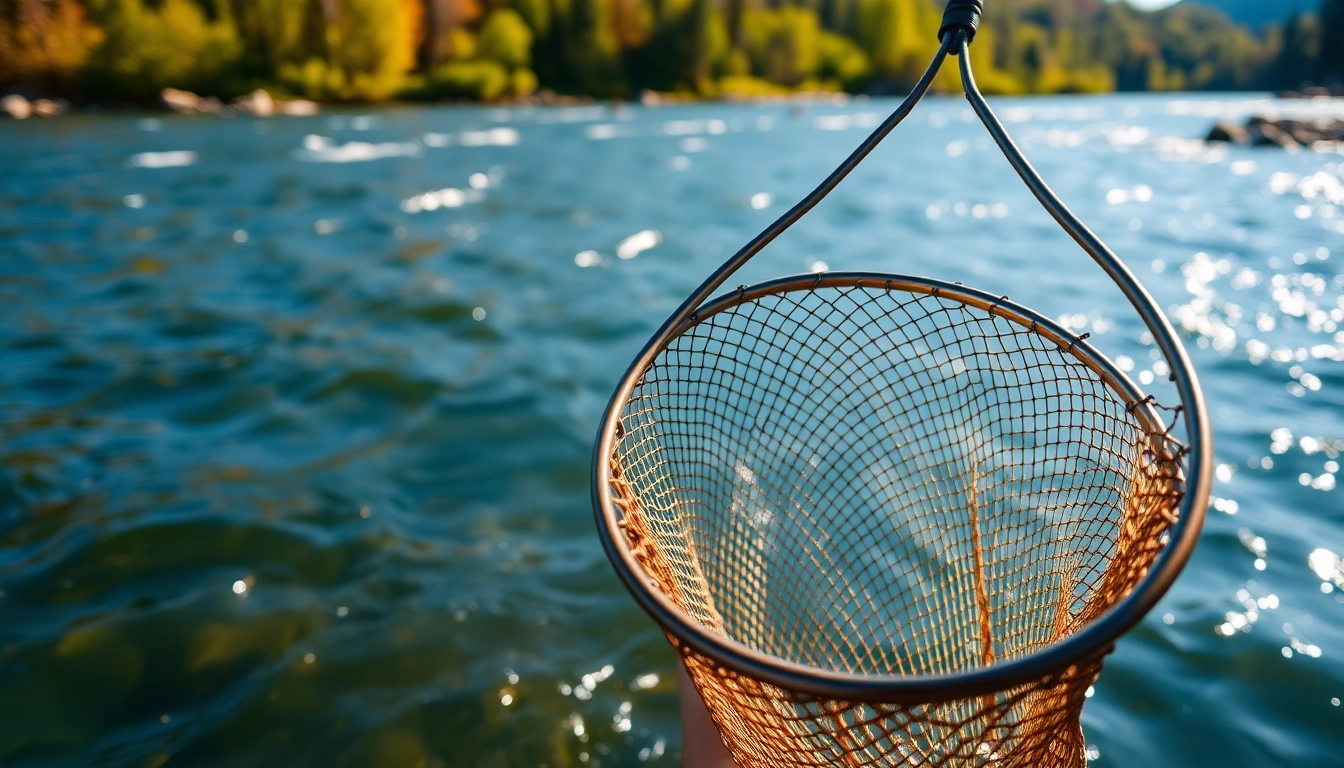
The Essential Guide to Choosing the Perfect Fly Fishing Net
Understanding the Importance of a Fly Fishing Net
Every fly angler knows that landing fish can be one of the most challenging aspects of the sport. A reliable fly fishing net can make all the difference between success and frustration. This piece of equipment is not just an accessory; it’s an essential tool for ensuring that your fishing experience is enjoyable and efficient.
Why You Need a Quality Fly Fishing Net
Quality fly fishing nets serve several essential purposes. First and foremost, they help you land your catch without causing harm to the fish. This is particularly important for catch-and-release fishing, where conserving fish populations is a priority. A good net can also prevent the fish from slipping back into the water, enhancing your ability to reel in your prized catch. Furthermore, a well-designed net can alleviate myriads of stresses associated with the fishing process, from tangled lines to awkward hand positions.
Another reason to invest in a quality net is its impact on your overall fishing experience. The right net can significantly speed up the landing process, allowing you to focus on landing more fish and enjoying the tranquility of being on the water. Finally, a durable and lightweight net will last for many fishing trips, proving to be cost-effective in the long run.
Common Materials Used in Fly Fishing Nets
Fly fishing nets are typically constructed from a variety of materials, each with its unique advantages and disadvantages. Common materials include:
- Wood: A traditional material, wooden nets are often heavier but are valued for their aesthetic appeal. They provide great strength and durability, making them suitable for larger species.
- Aluminum: Lightweight and corrosion-resistant, aluminum nets are perfect for those who appreciate mobility. They are easy to carry, but care must be taken to avoid bending them when landing larger fish.
- Nylon Mesh: This material is commonly found in the netting of fly fishing nets. It’s drag-free in the water, reducing stress on the fish, and is less damaging to delicate fish scales compared to traditional mesh. However, it’s important to choose a net with snag-free mesh to avoid tangles during retrieval.
- Rubber Coating: Increasingly popular, rubber-coated nets are designed to reduce the risk of tearing fish fins or scales and are easier to clean than traditional nets. They are also less conspicuous in the water, which helps avoid spooking fish.
How a Fly Fishing Net Enhances Your Fishing Experience
Using a quality fly fishing net enhances your fishing experience in many ways. First, it provides a safer way to land fish, reducing the need to use sharp hooks or hands that might cause injury to yourself or the fish. It also helps to minimize stress on the fish during the landing process, promoting a healthier catch-and-release outcome.
Moreover, a well-positioned net allows for smoother interactions, reducing the chance of tangling lines or mishandling fish. By granting you more control during the landing, nets enhance your chances of success, making each outing more enjoyable. Additionally, the right net complements your unique fishing style, whether that involves dapping delicate dry flies or using weighted nymphs.
Key Features to Look for in a Fly Fishing Net
When choosing a fly fishing net, understanding the key features that differentiate one model from another can significantly elevate your fishing performance. Here are the most important features to consider:
Size and Weight Considerations
The size and weight of your fly fishing net should match your fishing environment and target species. For instance, a lightweight and compact net is preferable for small waterways where agility is essential. Conversely, a larger net may be more appropriate for handling bigger game fish in open water. Ensure that the weight is manageable enough for you to maneuver while holding fishing gear, especially during prolonged fishing sessions.
Mesh Types and Their Advantages
The type of mesh in your fishing net can significantly affect performance. A finer mesh is less likely to harm fish and allows for a very gentle landing, making it ideal for catch-and-release scenarios. Alternatively, a coarser mesh may be better for larger fish varieties, as it provides extra durability and support. Additionally, ensure that the mesh is tangle-free to avoid cumbersome reeling woes.
Handle Length and Grip Options
Handle length is a vital feature to consider, as it can impact your ability to reach fish and maneuver them efficiently. Longer handles allow for more reach, which can be beneficial in swift currents or when fishing from the shore. On the other hand, a shorter handle offers precision when close to the water. Consider also the grip options available – rubberized grips can provide better control, especially in wet conditions, enhancing handling and reducing the risk of dropping your net.
Selecting the Right Fly Fishing Net for Your Needs
Selecting the right fly fishing net for your personal needs depends on several factors, including the type of water you fish, the species you target, and your own angling techniques. Let’s dive deeper into those criteria.
Freshwater vs. Saltwater Fishing Nets
When fishing in freshwater, you might prioritize nets that are lightweight and have gentle mesh materials. Freshwater nets are generally made to handle smaller fish and don’t need to withstand the corrosive effects of saltwater. In contrast, saltwater nets should be more robust and resistant to corrosion. Saltwater fishing nets typically feature anodized aluminum or other corrosion-resistant materials, ensuring longevity even in harsh conditions.
Best Nets for Catch and Release
Choosing the right net for catch-and-release fishing is crucial to ensuring fish survival. These nets are often designed with rubber mesh, which prevents damage to delicate fish scales and fins. A net with a flat bottom is also advantageous, allowing fish to be cradled gently without flipping over. Investing in a net that is larger than the average anticipated catch can also contribute to better landing experiences, improving the prospects of successfully releasing your catch.
Top Brands and Models to Consider
In the world of fly fishing nets, several brands stand out for their quality and performance. Some top names include:
- Brooks: Known for their wide range of nets, Brooks offers models with various handle lengths and mesh types.
- Orvis: Renowned for their premium quality, Orvis nets are well-designed and perfect for both freshwater and saltwater fishing.
- Fishpond: Offering innovative designs and sustainable materials, Fishpond nets combine functionality with style.
- Catch & Release: Specializing in nets designed to safely catch and release fish, these nets focus on being gentle on the fish while still being effective.
Maintenance Tips for Your Fly Fishing Net
A fly fishing net requires proper maintenance to guarantee its longevity and functionality. Taking care of your net ensures it remains in optimal condition for years to come.
Cleaning Techniques to Extend Longevity
Cleaning your fly fishing net after each use is vital. Saltwater anglers should rinse their nets thoroughly to prevent corrosion and buildup caused by salt. For both freshwater and saltwater nets, washing them with gentle soap and a soft cloth or sponge will remove algae and grime. Pay special attention to the mesh, as trapped debris can affect its performance and the health of your catch. Finally, always ensure that your net is completely dry before storing it to prevent mold buildup.
Storage Solutions for Preventing Damage
How you store your fly fishing net can significantly influence its lifespan. Always store it in a cool, dry place, ideally using a protective cover if it’s made from more delicate materials. Avoid placing heavy items on top of your net during storage, as this can warp the frame or damage the mesh. Consider designating a specific place in your fishing gear bag for your net to avoid other equipment items crushing it.
When to Replace Your Fly Fishing Net
Even the best-maintained nets will eventually need replacing. Signs that it’s time for a new net include significant wear on the mesh, a bent or cracked frame, and a compromised grip. If you notice tears in the mesh or if the handle becomes loose, it’s best to assess whether replacing the net is a more viable option than repairing it.
Expert Tips for Using a Fly Fishing Net Effectively
Understanding how to use your fly fishing net effectively can transform your fishing results and enjoyment. Here are some expert tips to make the most out of your net.
Techniques for Safely Landing Your Catch
Using your net properly is crucial for landing fish efficiently. When a fish is close to exhaustion, gently guide it toward the fish net, lowering it steadily to avoid startling the fish. Use the net to scoop it up from below, rather than dropping it down from above, which can lead to the fish escaping. Always ensure you have a good grip on the net as you bring the fish out of the water, as the sudden movement may trigger a last-minute escape!
Integrating Your Fly Fishing Net into Your Routine
Integrate your net seamlessly into your fishing routine. Practice your landing techniques on calm days to build confidence and finesse. Make your net easily accessible at all times; practicing smooth transitions from rod to net can enhance your chances of a successful landing when the moment counts. Additionally, familiarize yourself with your chosen net’s unique features so you can leverage its advantages effectively.
Common Mistakes to Avoid with Fly Fishing Nets
As simple as using a fly fishing net may seem, several common mistakes can detract from its effectiveness:
- Improper Handling: Be cautious when lifting the net; avoiding quick or jerky movements that could shock the fish.
- Using a Damaged Net: Don’t attempt to use a frayed net, as this can severely reduce your chances of success and harm the fish.
- Neglecting to Clean: Failing to clean your net properly will lead to damage and can affect future fish populations.
In conclusion, investing in a quality fly fishing net and maintaining it correctly can enhance your fishing experience significantly. By carefully considering the key features, understanding the types best suited for your fishing environment, and using expert techniques, you will find that your net not only improves your efficiency but also contributes to responsible fishing practices. Remember, each fishing outing is an opportunity to connect with nature and refine your skills; utilizing the right tools will only magnify this rewarding experience.