
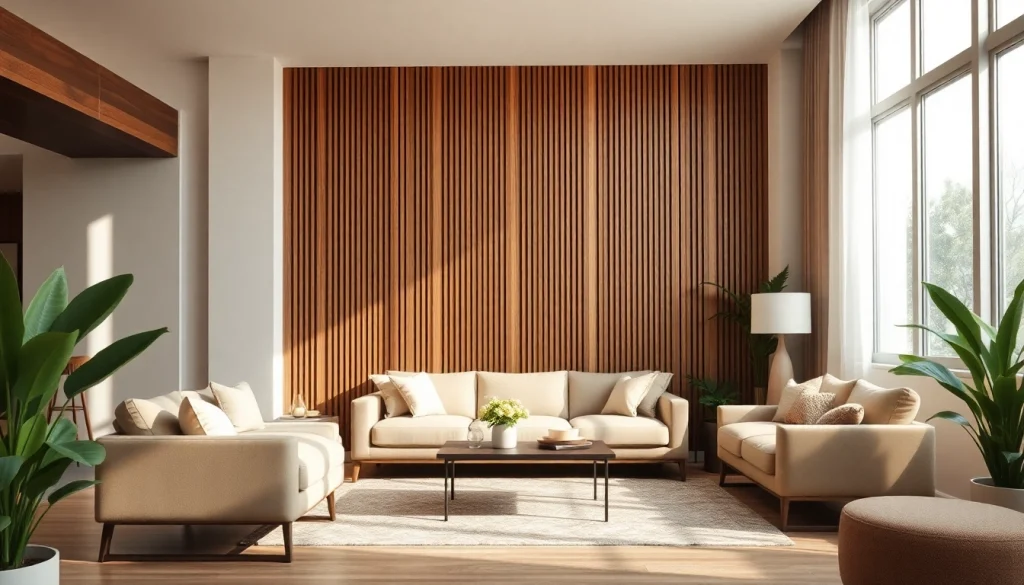
Understanding the Slatted Wall Concept
Definition and Benefits of Slatted Walls
A slatted wall is a design element characterized by the arrangement of parallel strips of material, typically wood or composite, which create an aesthetic appeal and functional benefits. These walls can serve various purposes, from providing privacy to enhancing acoustics within a space. With their unique structure, slatted walls offer visual interest while allowing light and airflow, making them a versatile choice for both residential and commercial applications.
One of the primary benefits of incorporating a slatted wall into a space is its ability to add dimension and depth. The interplay of light and shadow across the slats creates a dynamic appearance that can be tailored to suit various design themes—be it modern, rustic, or industrial. Additionally, slatted walls can contribute to improved acoustics in larger rooms, serving to diffuse sound rather than reflect it. This makes them an excellent choice for spaces that require both style and functionality.
Various Materials Used for Slatted Walls
Slatted walls can be constructed from an array of materials, each offering different aesthetics and functional properties. The most common materials used include:
- Wood: The traditional choice for slatted walls, wood adds natural warmth and texture. Different species can be used to achieve varying finishes, from light and airy to rich and rustic.
- Metal: For a more industrial look, metals such as steel or aluminum can be utilized in slatted wall designs. These materials are durable and can be finished in various colors.
- Composite Materials: Engineered wood or synthetic materials can offer a similar aesthetic to wood but with enhanced durability and resistance to environmental factors.
- Glass: Slatted walls can also be made from glass, offering a contemporary appeal while maintaining transparency and light flow.
Design Trends and Innovations
The world of interior design is increasingly embracing the versatility of slatted walls. Currently, several trends are gaining traction:
- Vertical vs. Horizontal Orientation: Designers often experiment with the orientation of slats. Vertical slats can give the illusion of height, while horizontal can stretch a space visually.
- Mixed Materials: Combining materials, such as wood and metal, can create a striking visual contrast and add an element of surprise.
- Backlighting: Some modern designs incorporate LED lighting behind or within slatted walls, generating ambiance and highlighting the textures of the materials.
- Eco-Friendly Options: Sustainable materials and finishes are rising in popularity, with many designers opting for reclaimed wood or bamboo for their slatted wall projects.
Applications of Slatted Walls in Different Spaces
Residential Spaces: Living Rooms and Bedrooms
In residential environments, slatted walls can serve multiple roles. In living rooms, they can act as a feature wall behind a media area, creating a stylish backdrop while improving acoustics. The slats can be painted in bold colors or crafted from natural wood to enhance the overall aesthetic of the room.
In bedrooms, slatted walls are often used as headboards or to delineate spaces. Using softer materials or finishes can create a cozy atmosphere, while the slatted design allows for airflow, crucial for comfort.
Commercial Spaces: Offices and Retail
Slatted walls are increasingly popular in commercial applications, especially in offices where sound management is crucial. Their ability to reduce noise levels while remaining visually appealing makes them suitable for open-plan office settings. By using slatted walls to create zones, companies can foster collaboration while providing areas for privacy.
In retail spaces, slatted walls can be used to create displays or partition areas without obstructing views or reducing natural light. This makes them ideal for creating an inviting shopping environment.
Outdoor Applications: Patios and Gardens
Outdoor slatted walls can serve as privacy screens or decorative elements in gardens and patios. They provide a stylish way to delineate spaces in an outdoor setting, supporting climbing plants to enhance the natural beauty of the surrounding landscape. Additionally, slatted walls can offer some protection against the elements while still allowing airflow and light, making outdoor spaces feel more intimate.
Installation Process of Slatted Walls
Preparation: Tools and Materials Needed
Installing a slatted wall requires careful planning and preparation. Essential tools and materials include:
- Miter saw or circular saw for cutting slats
- Measuring tape for accurate dimensions
- Level to ensure proper alignment
- Drill and screws for fastening
- Wood glue or adhesive, where necessary
- Finish of choice: paint, stain, or sealant
Step-by-Step Installation Guide
Following these steps will help ensure a successful installation of your slatted wall:
- Measure and Plan: Determine the size and layout of your slatted wall. Make sure to account for the space around it.
- Cuts: Cut slats to the desired length, ensuring uniformity. It’s advisable to pre-drill holes for screws to avoid wood splitting.
- Mark the Wall: Use a pencil to mark where the slats will be attached to ensure even spacing.
- Attaching Slats: Start from the bottom, attaching each slat using the drill and screws, ensuring they remain level.
- Finishing Touches: Once all slats are installed, apply your finish (paint, stain, or sealant) and allow it to dry properly.
Common Mistakes to Avoid During Installation
While installing a slatted wall may seem straightforward, several common mistakes can hinder the outcome:
- Improper Measurement: Always double-check measurements to ensure that each slat aligns correctly.
- Ignoring Material Expansion: Wood can expand and contract with temperature changes, so allow space for this when tightening screws.
- Neglecting to Level Slats: Ensure each slat is level as you progress; otherwise, the finished look will be uneven.
Maintenance Tips for Slatted Walls
Cleansing and Care Instructions
To maintain the beauty and durability of your slatted wall, routine cleaning is essential. Use a soft cloth to wipe away dust and dirt, and for deeper cleaning, a mild soap solution can be employed. Avoid abrasive cleaners, especially on painted or finished surfaces, to prevent damage.
Preventing Damage and Wear
To extend the life of your slatted wall, consider applying a protective sealant, especially if it’s made of wood. Additionally, ensure that the wall is away from direct sources of moisture, as this can lead to warping or decay over time.
When to Consider Repair or Replacement
Regularly inspect your slatted wall for signs of wear or damage. If slats become warped, cracked, or discoloration occurs, it may be time for repairs. In severe cases or if the aesthetics no longer meet your needs, consider replacing the wall entirely.
Frequently Asked Questions about Slatted Walls
What is a slatted wall, and how is it used?
A slatted wall is composed of parallel strips that create a stylish barrier, offering privacy, aesthetics, and improved acoustics, used in both residential and commercial spaces.
Can a slatted wall improve room acoustics?
Yes, slatted walls can help diffuse sound waves, making them ideal for rooms requiring better acoustics, reducing echoes, and enhancing overall sound quality.
Are slatted walls suitable for outdoor use?
Slatted walls can be used outdoors, especially when treated with weather-resistant materials. They serve as stylish privacy screens or decorative garden features.
How much does it typically cost to install a slatted wall?
Costs can vary widely based on materials and size. A typical slatted wall installation can range from affordable DIY options to more expensive professionally installed designs.
What design styles complement slatted walls?
Slatted walls fit various design styles, including modern, minimalist, industrial, and rustic themes, making them a versatile choice for any interior.