
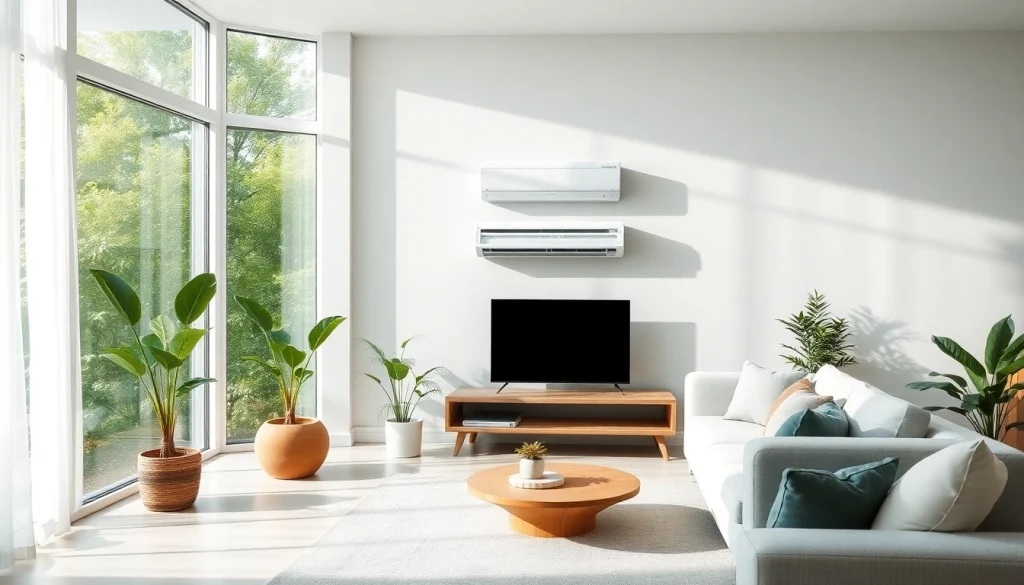
Understanding Cooling Solutions
In a world where climate changes and rising temperatures are prevalent, having effective Cooling Solutions is not just a luxury; it is a necessity. This comprehensive guide explores the different aspects and importance of cooling systems for homes and businesses alike. From understanding what cooling solutions are to identifying the most suitable options, maintenance practices, and future trends, this article is designed to provide valuable insights into enhancing comfort and energy efficiency.
What are Cooling Solutions?
Cooling solutions are systems and methods used to remove heat from a designated area, ultimately maintaining a comfortable temperature. These solutions can be applied in various settings, including residential, commercial, and industrial environments. They help ensure that spaces remain livable during hot weather, thus significantly contributing to overall comfort and health. Cooling systems can range from simple fans and evaporative coolers to complex HVAC (Heating, Ventilation, and Air Conditioning) systems that integrate heating and cooling functions.
Importance of Efficient Cooling Solutions
Efficient cooling solutions are critical for several reasons:
- Comfort: Maintaining a comfortable indoor temperature is essential for both physical and mental well-being. Excessive heat can lead to discomfort and reduced productivity.
- Energy Efficiency: Energy-efficient cooling solutions reduce electricity consumption and lower utility bills, which is not only beneficial for homeowners but also for the environment.
- Health Benefits: Proper cooling can mitigate health risks associated with heat illnesses. It helps to maintain healthy humidity levels and air quality.
- Property Protection: Keeping spaces cool protects structural integrity and prevents damage to electrical equipment that can occur due to overheating.
Types of Cooling Solutions Available
There are various types of cooling solutions available, each suitable for different applications:
- Air Conditioners: These are the most common cooling solution for homes, available in window, portable, and central units.
- Evaporative Coolers: Also known as swamp coolers, these use water evaporation to cool the air and are highly efficient in dry climates.
- Fans: Ceiling fans, standing fans, and exhaust fans offer ventilation, making a space feel cooler without mechanical cooling.
- Geothermal Systems: These utilize the earth’s stable underground temperature for cooling and heating, representing a sustainable approach.
- Chillers: Often used in commercial applications, chillers cool fluids that circulate through air-handling systems.
Residential Cooling Solutions: Choosing the Right Fit
Choosing the right cooling solution for your home is crucial for maximizing comfort and efficiency. Several factors come into play during this decision-making process.
Factors to Consider for Home Cooling Solutions
When considering cooling solutions for your residence, keep these factors in mind:
- Size of the Space: The size of the area to be cooled dictates the type and capacity of the cooling system needed. Larger spaces may require more efficient systems to maintain optimal temperatures.
- Climate: Understanding local climate conditions can determine the most effective cooling solution. For example, evaporative coolers are ideal for dry climates, while traditional air conditioners may perform better in humid areas.
- Energy Efficiency Ratings: Look for energy-efficient models, often rated by SEER (Seasonal Energy Efficiency Ratio) ratings. Higher ratings indicate better efficiency.
- Installation Space: Ensure sufficient space is available for the installation of the cooling unit and that it complies with local building codes.
- Budget: Determine a budget for initial purchase and ongoing operational costs, including installation, maintenance, and utility expenses.
Comparing Various Cooling Solutions
Not all cooling solutions are created equal. Here’s a comparative look at some popular options:
| Cooling Solution | Advantages | Disadvantages |
|---|---|---|
| Air Conditioners | Effective cooling, various models, energy-efficient options available | Higher installation and maintenance costs |
| Evaporative Coolers | Low cost, energy-efficient, works well in dry climates | Less effective in high humidity |
| Fans | Inexpensive, easy to use, improves ventilation | Does not lower temperatures, only circulates air |
| Geothermal Systems | Environmentally friendly, long-lasting | High upfront costs and requires significant space |
| Chillers | Efficient for large buildings, customizable | Requires significant investment and expertise for setup |
Installation Tips for Homeowners
Proper installation is key to the effective functioning of cooling systems. Here are some tips:
- Hire Professionals: Engage certified HVAC professionals for installations. They have the expertise to ensure correct setup and operation.
- Follow Manufacturer Instructions: Read and adhere to the installation manual provided with your cooling solution for the best results.
- Location Matters: Position units in areas that maximize airflow and minimize heat exposure from sunlight.
- Seal Ducts: For systems using ducts, make sure they are properly sealed to prevent energy loss.
- Perform Post-Installation Checks: After installation, conduct a thorough check to ensure the unit functions properly and efficiently.
Maintenance of Cooling Solutions
Regular maintenance of cooling solutions is essential to keep them running efficiently and to extend their lifespan. Here are practices to consider.
Regular Maintenance Tips
Keeping your cooling systems in good working condition requires regular maintenance. Here are some tips:
- Change Filters: Replace or clean filters every 1-3 months to improve airflow and efficiency.
- Clean the Units: Dust and dirt can accumulate in units and ducts, disrupting airflow. Schedule regular cleanings.
- Check Refrigerant Levels: Ensure the refrigerant is within the recommended levels to maximize performance.
- Inspect Ductwork: Check for leaks and possible obstructions that could impede airflow.
- Professional Servicing: Schedule maintenance checks with HVAC professionals at least once a year.
Signs Your Cooling Solution Needs Service
Being aware of signs indicating your cooling system requires service can prevent larger issues:
- Unusual Noises: Hear clanging or rattling sounds from the unit? It could indicate loose components.
- Inconsistent Temperatures: If certain rooms are warmer than others, it may suggest airflow issues or refrigerant leaks.
- Increased Energy Bills: A sudden spike in energy costs may indicate inefficiency or malfunction.
- Bad Odors: Musty smells could imply mold growth; burnt odors might suggest electrical problems.
- Age of the Unit: If your system is over 10 years old, it might be time for replacement, regardless of performance.
DIY Troubleshooting for Common Issues
Some common issues can be troubleshot easily without professional help:
- Unit Won’t Turn On: Check the power source, and examine if the thermostat is set correctly.
- Insufficient Cooling: Ensure that the filters are clean and thermostat settings are accurate.
- Water Leakage: Blocked drainage lines can cause leaks. Clear any obstructions in the drainage system.
- High Humidity Levels: Check if the condensation drain is clogged or if the cooling unit is functioning correctly.
- Noisy Operation: Inspect for foreign objects that may have made their way into the unit or ensure all parts are secured.
Cooling Solutions for Energy Efficiency
Improving energy efficiency is a key concern in today’s environmentally-conscious society. Here are insights into how cooling solutions can help.
Energy-Saving Features in Cooling Solutions
Modern cooling solutions often come equipped with energy-saving features that enhance efficiency:
- Smart Thermostats: These allow for scheduling and remote control, contributing to energy savings by optimizing usage based on occupancy.
- Variable Speed Compressors: Adjusting speeds based on cooling demand minimizes energy consumption compared to single-speed units.
- Eco-Friendly Refrigerants: Solutions that use natural refrigerants have a lower environmental impact.
- Energy Recovery Ventilators: These systems recover and use energy normally wasted in ventilation, improving overall efficiency.
- High SEER Ratings: Higher SEER ratings translate to better energy efficiency; aim for units with ratings over 16.
Understanding SEER Ratings
SEER (Seasonal Energy Efficiency Ratio) is a critical metric for evaluating cooling system efficiency:
The SEER rating is calculated by dividing the cooling output (in BTUs) during a typical cooling-season by the total electric energy input (in watt-hours) during the same season. Units with higher SEER ratings are more energy-efficient.
For homeowners, investing in a unit with a higher SEER can result in significant savings on electricity bills over time.
Upgrade Opportunities for Better Efficiency
Homeowners should also be aware of potential upgrade opportunities for enhancing efficiency:
- Integrated HVAC Systems: Modern units can be integrated into smart home systems, allowing greater control and efficiency.
- Insulation Improvements: Enhancing home insulation ensures that cooling efforts are not wasted.
- Window Upgrades: Opt for energy-efficient windows that reduce heat gain and loss, minimizing reliance on cooling.
- Evaporative Cooling Systems: These can replace traditional units in suitable climates, offering significant energy savings.
- Regular System Reviews: Periodic evaluations can uncover inefficiencies and potential upgrades to save energy.
Future Trends in Cooling Solutions
As technology advances, so do the cooling solutions available to homeowners and businesses. Understanding these trends can provide foresight into future installations.
Innovative Technologies in Cooling Solutions
The industry is witnessing several innovative technologies, including:
- Magnetic Refrigeration: This technology uses a magnetic field to cool, offering a more environmentally friendly alternative to traditional refrigerants.
- Thermoelectric Cooling: Using the Peltier effect, this technology enables cooling without harmful refrigerants, ideal for compact spaces.
- Advanced Control Systems: These systems improve the accuracy of temperature control, allowing for better energy management.
- Phase Change Materials: Utilizing materials that absorb or release heat during phase transitions for more efficient cooling.
- Integration with Renewable Energy: Systems tied to solar power sources for sustainable cooling solutions.
Smart Cooling Solutions and Automation
The rise of smart home technology has extended to cooling solutions, featuring:
- Remote Monitoring: Owners can monitor and control systems remotely via smartphone apps.
- Automated Scheduling: Home systems can be programmed to adjust based on user habits or weather forecasts.
- Adaptive Learning: Systems learn user patterns, optimizing cooling schedules and reducing energy waste automatically.
- Integration with Home Automation: Cooling solutions can be integrated with other home systems, creating a comprehensive energy-efficient network.
- Wearable Interfaces: Futuristic interfaces might allow wearables to directly interact with home climate systems for customized experience.
Environmental Impact of Cooling Solutions
The environmental implications of cooling solutions cannot be ignored. Here are a few key considerations:
- Global Warming Potential: Many traditional refrigerants have high global warming potentials; using eco-friendly refrigerants is essential.
- Energy Consumption: Cooling accounts for a significant portion of residential energy use, thus energy-efficient systems are crucial.
- Reducing Heat Island Effect: Innovative cooling solutions can help mitigate urban heat islands by improving air quality and temperature regulation.
- Resource Sustainability: Efforts should be made towards using sustainable materials and energy sources in all types of cooling systems.
- Life Cycle Considerations: Evaluate the entire life cycle of cooling systems, from manufacturing to disposal, for environmental sustainability.
FAQs about Cooling Solutions
What are cooling solutions?
Cooling solutions refer to systems and methods utilized to remove heat from spaces to maintain a comfortable temperature. They can be applied in homes, offices, and industrial areas.
How do I choose the best cooling solution for my home?
Consider factors such as space size, climate, energy efficiency ratings, installation requirements, and your budget when selecting a cooling solution.
How often should I maintain my cooling system?
Regular maintenance checks should be conducted at least once a year. Additionally, perform monthly filter replacements for optimal performance.
What signs indicate my cooling solution needs servicing?
Look for signs like unusual noises, inconsistent temperatures, increased energy bills, bad odors, or the age of the unit as indicators for service needs.
Are there energy-efficient cooling solutions available?
Yes, modern cooling solutions often feature energy-saving technologies like high SEER ratings, smart thermostats, and eco-friendly refrigerants that boost efficiency.