
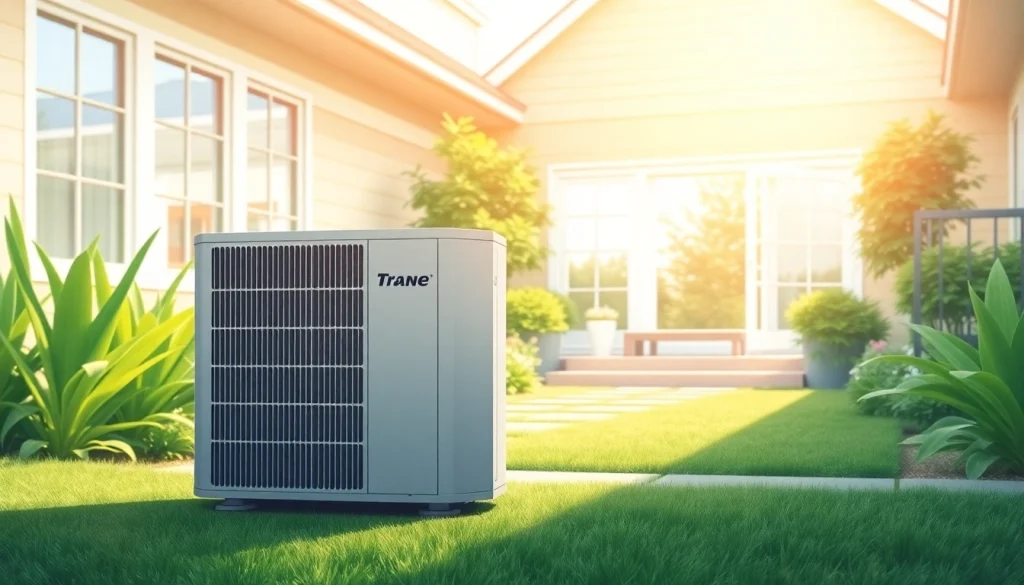
Understanding Trane Heat Pumps
What Are Trane Heat Pumps?
Trane heat pumps are versatile climate control systems that provide both heating and cooling to residential and commercial spaces. Unlike traditional heating systems that generate heat through combustion or electrical resistance, heat pumps transfer heat from one location to another. They utilize refrigerant as a medium to absorb and release heat, making them an efficient solution for temperature regulation. Specifically designed for improving energy efficiency, trane heat pumps capitalize on the natural heat stored in the environment, offering an environmentally-friendly alternative to conventional HVAC systems.
How Trane Heat Pumps Work
Trane heat pumps function through a cycle that involves four essential phases: evaporation, compression, condensation, and expansion. During the evaporation phase, the refrigerant absorbs heat from the external air or ground, causing it to evaporate into a gas. This gas is then compressed, raising its temperature significantly. In the condensation phase, this high-pressure gas flows indoors and releases its heat, warming the interior space, before expanding back into a low-pressure gas and restarting the cycle. This process allows the system to both heat and cool a building by reversing the cycle, thus maintaining comfortable indoor conditions.
Key Components of Trane Heat Pumps
The efficiency and performance of Trane heat pumps rely on several key components:
- Evaporator Coil: Absorbs heat from the outside air or ground.
- Compressor: Pressurizes and circulates the refrigerant.
- Condenser Coil: Releases absorbed heat into the home.
- Expansion Valve: Controls the flow of refrigerant within the system.
- Refrigerant: The working fluid that carries heat throughout the system.
- Fan and Ductwork: Distribute heated or cooled air throughout the indoor space.
Benefits of Using Trane Heat Pumps
Energy Efficiency and Cost Savings
One of the primary advantages of Trane heat pumps is their energy efficiency. Compared to traditional heating systems, heat pumps consume significantly less energy. According to various studies, they can achieve performance efficiency ratings of 200% to 400%, meaning they can deliver two to four units of heat for every unit of electricity consumed. This high efficiency translates into lower utility bills over time, making Trane heat pumps a cost-effective solution for home heating and cooling.
Environmental Benefits
Trane heat pumps are an environmentally friendly alternative due to their reduced greenhouse gas emissions. By using renewable energy from the environment, such as air and ground heat, these systems lower the reliance on fossil fuels. This contributes to a smaller carbon footprint, aligning with eco-conscious practices and supporting sustainability initiatives. Furthermore, many regions offer incentives and rebates for heat pump installations, enhancing their appeal for environmentally-minded homeowners.
Improved Home Comfort
In addition to energy efficiency and environmental benefits, Trane heat pumps provide improved home comfort. These systems maintain consistent indoor temperatures, eliminating cold or warm spots and optimizing humidity levels for a more comfortable living environment. Many models offer advanced features such as variable-speed compressors, which adjust the heating or cooling output based on demand, leading to quieter operation and enhanced comfort.
Installation of Trane Heat Pumps
Choosing the Right Location
The placement of a Trane heat pump is crucial for its efficiency and performance. Ideally, the outdoor unit should be located in a shaded area with sufficient airflow while being easily accessible for maintenance. Additionally, the indoor unit should be positioned for optimal air distribution, considering the layout of the home. Factors such as sun exposure, landscaping, and prevailing winds should also be considered when selecting the installation site.
Professional vs. DIY Installation
While DIY projects may seem appealing for cost-saving purposes, installing a Trane heat pump is a task best left to professionals. Improper installation can lead to significant efficiency losses and potential system failures. Professional installers bring expertise in sizing, placement, and regulatory requirements, ensuring the system is set up correctly for optimal performance. Furthermore, professional installation often comes with warranties that protect the homeowner’s investment.
Common Installation Challenges
Several challenges can arise during the installation of Trane heat pumps, including sizing issues, refrigerant line routing, and electrical connections. Miscalculating the size of the heat pump can result in insufficient heating or cooling and increased operational costs. Proper planning and consultation with HVAC professionals can help mitigate these challenges. Furthermore, understanding local building codes and regulations is essential to avoid potential compliance issues.
Maintenance Tips for Trane Heat Pumps
Regular Maintenance Tasks
Routine maintenance is crucial for the longevity and efficiency of Trane heat pumps. Homeowners should schedule annual maintenance checks with certified professionals, who can conduct thorough inspections, clean coils, and check refrigerant levels. Additionally, homeowners can perform some self-maintenance tasks, such as regularly replacing or cleaning air filters and ensuring that the outdoor unit is free from debris and obstacles.
Signs Your Trane Heat Pump Needs Attention
Being proactive about heat pump performance can save homeowners from costly repairs. Signs that a Trane heat pump may need service include unusual noises, inconsistent temperatures, high energy bills, and the presence of leaks. If any of these symptoms occur, it’s vital to consult a professional technician immediately to diagnose and rectify the issue, thus preventing further damage to the system.
Choosing a Professional Service
Selecting the right service provider for Trane heat pump maintenance and repairs is key. Homeowners should look for certified technicians with experience in heat pump systems. Checking references, reading reviews, and ensuring that the provider offers warranties on their work can help secure a reliable and quality service. Establishing an ongoing relationship with a trusted service provider can also promote regular maintenance and prompt repairs when needed.
Trane Heat Pumps vs. Other Heating Systems
Comparison with Conventional Systems
When compared to conventional heating systems, such as gas furnaces or electric resistance heaters, Trane heat pumps present several distinct advantages. Conventional systems often rely on combustion to generate heat, resulting in higher energy costs and increased emissions. In contrast, Trane heat pumps use energy directly from the environment, making them significantly more efficient. Although the initial installation costs may be higher, the long-term savings and environmental benefits typically offset these upfront expenses.
Long-Term Considerations
Long-term planning is essential when considering a Trane heat pump. Homeowners should evaluate not only the initial installation costs but also the projected energy savings, maintenance requirements, and potential lifespan of the equipment. Typically, a well-maintained Trane heat pump can last 15 to 20 years. Ensuring that the installation is performed correctly and that routine maintenance is adhered to will maximize the lifespan and return on investment.
User Testimonials and Case Studies
Numerous homeowners have reported positive experiences with Trane heat pumps, highlighting the convenience and comfort these systems provide. Testimonials often mention substantial reductions in energy costs and improved climate control within their homes. Case studies showcase diverse installations, ranging from small apartments to larger homes, reinforcing the adaptability and efficiency of Trane heat pumps in various settings.
Frequently Asked Questions
What is the lifespan of a Trane heat pump?
A Trane heat pump typically lasts between 15 to 20 years with proper maintenance, offering longevity and reliability for home heating and cooling needs.
Are Trane heat pumps energy-efficient?
Yes, Trane heat pumps boast impressive energy efficiency ratings, often achieving a performance efficiency between 200% to 400%, leading to significant cost savings.
How often should I maintain my heat pump?
It is advisable to schedule annual maintenance for your Trane heat pump to ensure optimal performance and longevity while identifying any potential issues before they escalate.
Can Trane heat pumps work in cold climates?
Yes, certain models of Trane heat pumps are specifically designed to perform efficiently in colder climates, utilizing advanced technology to extract heat from the air even in low temperatures.
Do Trane heat pumps require special installation?
While Trane heat pumps can be installed by professionals, proper sizing and placement are critical for efficiency. It is recommended to consult with an experienced HVAC technician.